Published September 22, 2026 11:37AM
Pros
World’s lightest production road frame at just 550g
Very stiff frame and wheels, making the power transfer feel nearly instant
Weight savings throughout, all the way down to the lack of paint
Significantly undercuts comparable bikes on price
After 19 hours and 40 minutes in the saddle it was still comfortable
Lifetime frame and wheel warranty
Out-front mount, torque wrench, bottle cage, taillight and pump all included
Free post purchase cockpit swap through authorized X-LAB dealers
Cons
50mm deep wheels are too deep for a traditional climbing bike setup, makes the ride twitchy on descents and unstable in crosswinds
The wheels are stiff; paired with the stiff frame it results in a very rough ride
Michelin Pro 5 tires are underwhelming
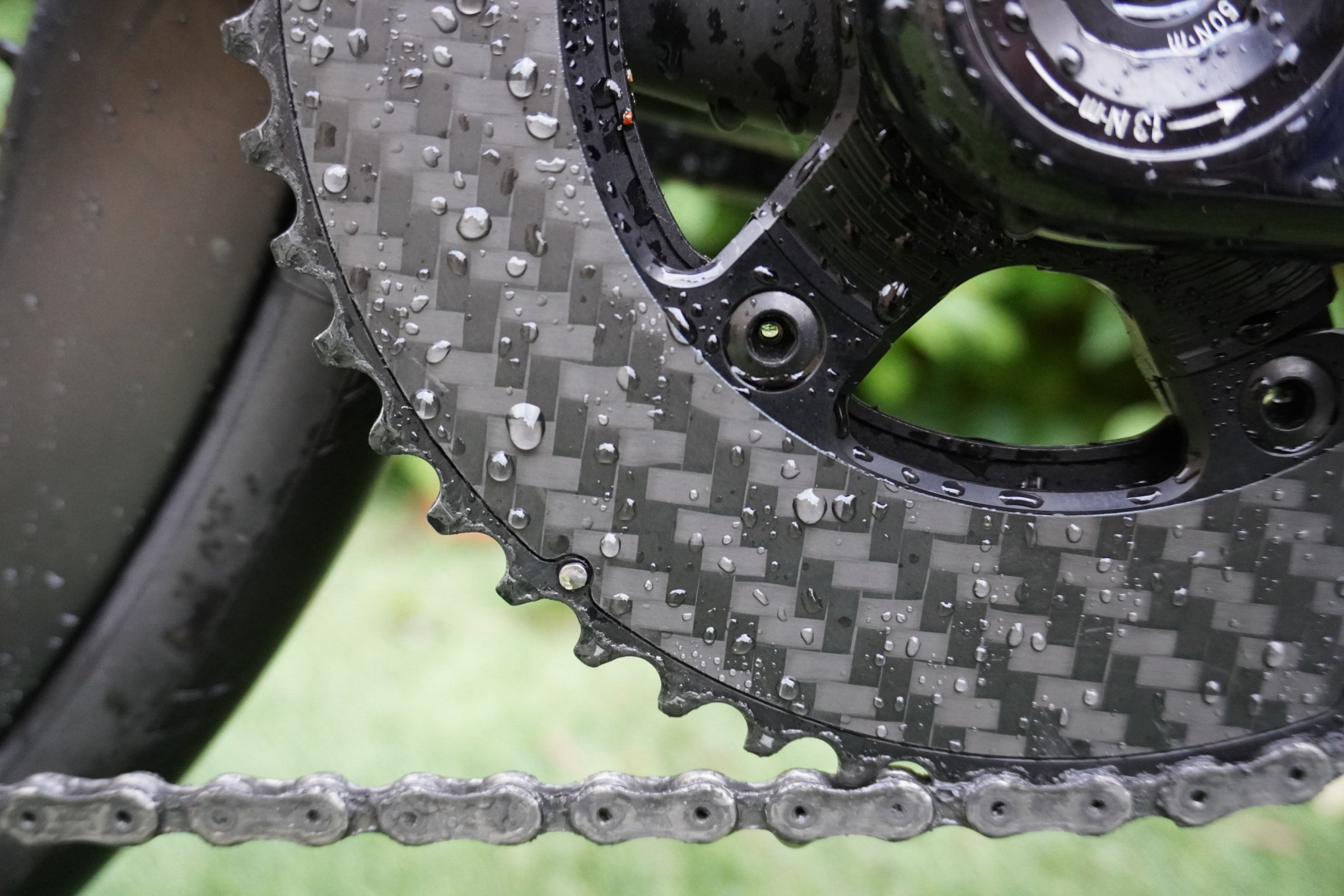
The carbon plate on the front chainring is decorative, not functional
The 220lbs/100kg weight limit is noteworthy for larger cyclists
Tire clearance of 30mm maximum
Specs
Size tested: Small (49cm)
Weight: 5.9 kg / 13.07 lbs
Build: X-Lab RT9 Dura-Ace Di2
Price: $9,150 as tested / $3,499 frameset
Brand: XDS
Verdict
In a world obsessed with aerodynamics, the XDS X-LAB RT9 is a refreshing return to a weight focus. It relies on round tubes and carbon engineering to create a staggeringly lightweight frame while also undercutting the competition on price. It will make anyone feel like a climbing hero, provided you don’t mind a stiff frame. Just don’t expect to love the wheels.
Quick hits: 7 standout details of the XDS X-LAB RT9
- 550g frame weight, 5.9kg (13lb) ready to ride minus pedals in size small
- Toray T1100 and M40X carbon construction
- Shimano Dura-Ace Di2 groupset standard
- Branta C50 ULR carbon wheelset with carbon spokes at 1,230g
- Branta carbon crankset with integrated dual-sided power meter
- Apple Find My anti-theft technology built into the crankset
- Can fit up to a 55-42T 2x chainrings or a massive 68T 1x chainring
- For more information, visit the XDS website
XDS X-LAB RT9 Frame Details
When a bike is built for one purpose, it can be greeted with a lot of skepticism. Where does it fall short? What corners did it cut? And most importantly, does it actually execute on the task?
In the case of the XDS X-LAB RT9, that on purpose is climbing. Look closer and you’ll see how nearly every detail is carefully selected and built to create a machine engineered to be as light and as efficient as possible going uphill.
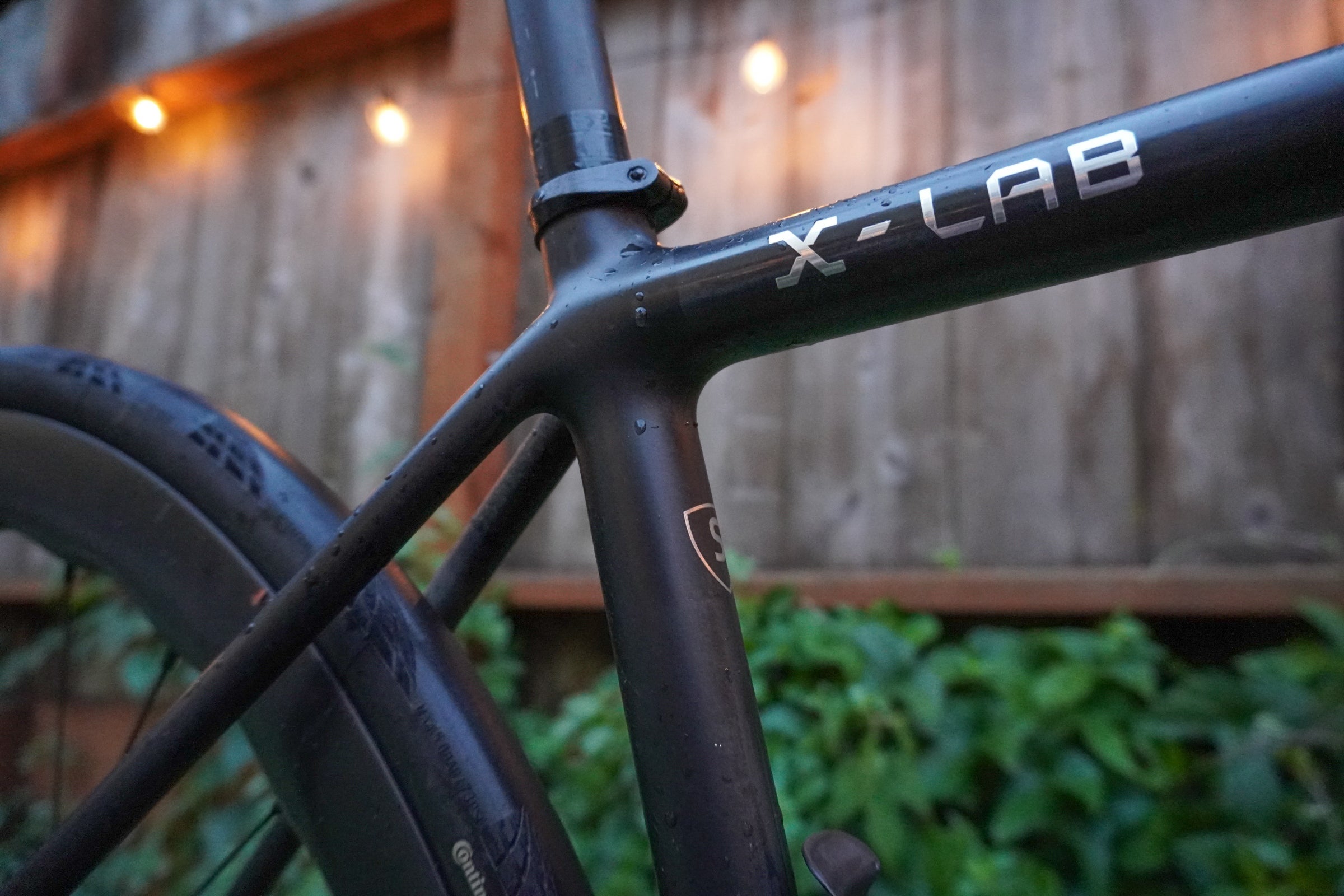
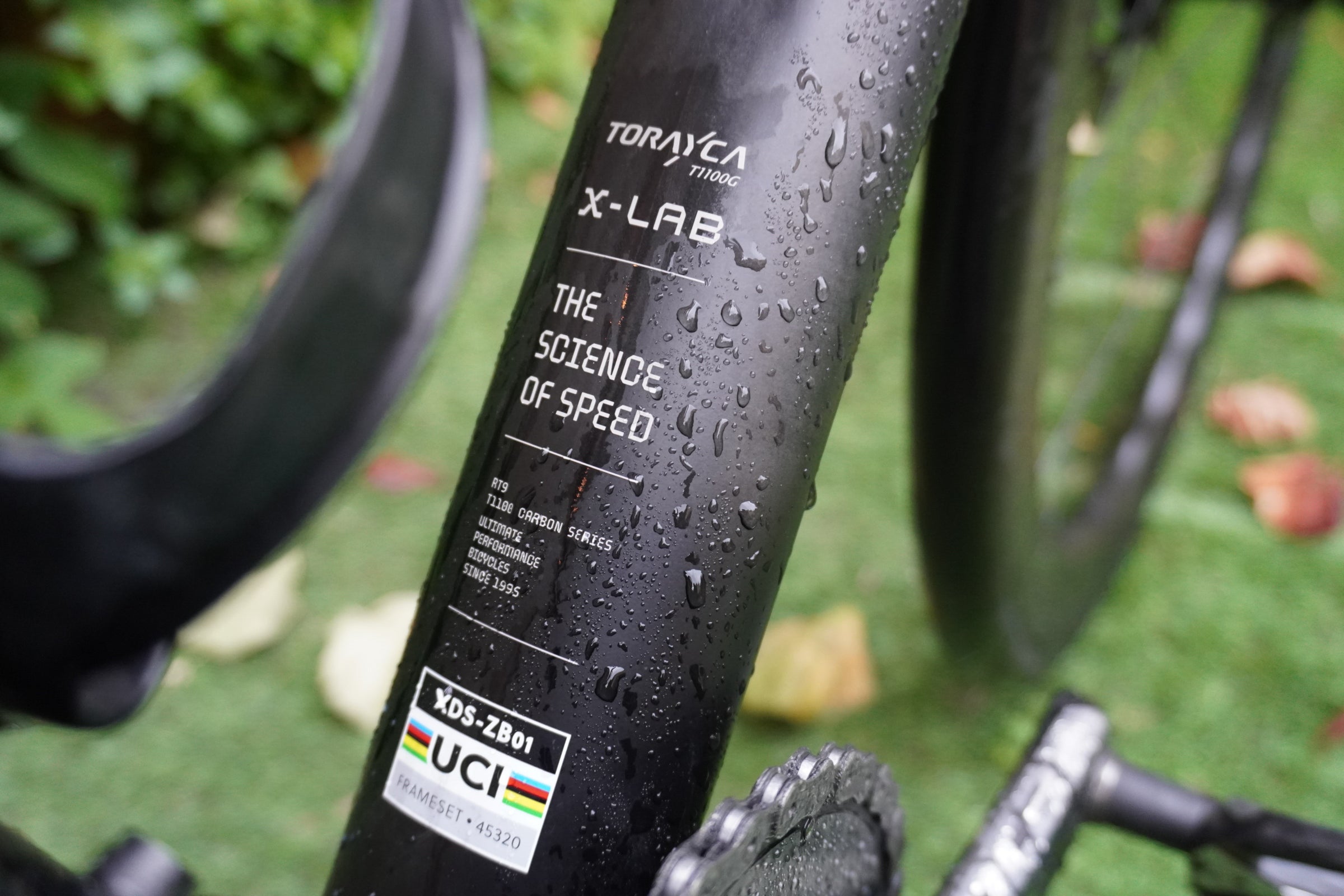
To reach a weight of just 13 lbs on my size small, the frame uses a combination of Toray T1100 and M40X carbon. That translates to a combination of intermediate and high-modulus carbon. And that means stiff. Very, very stiff.
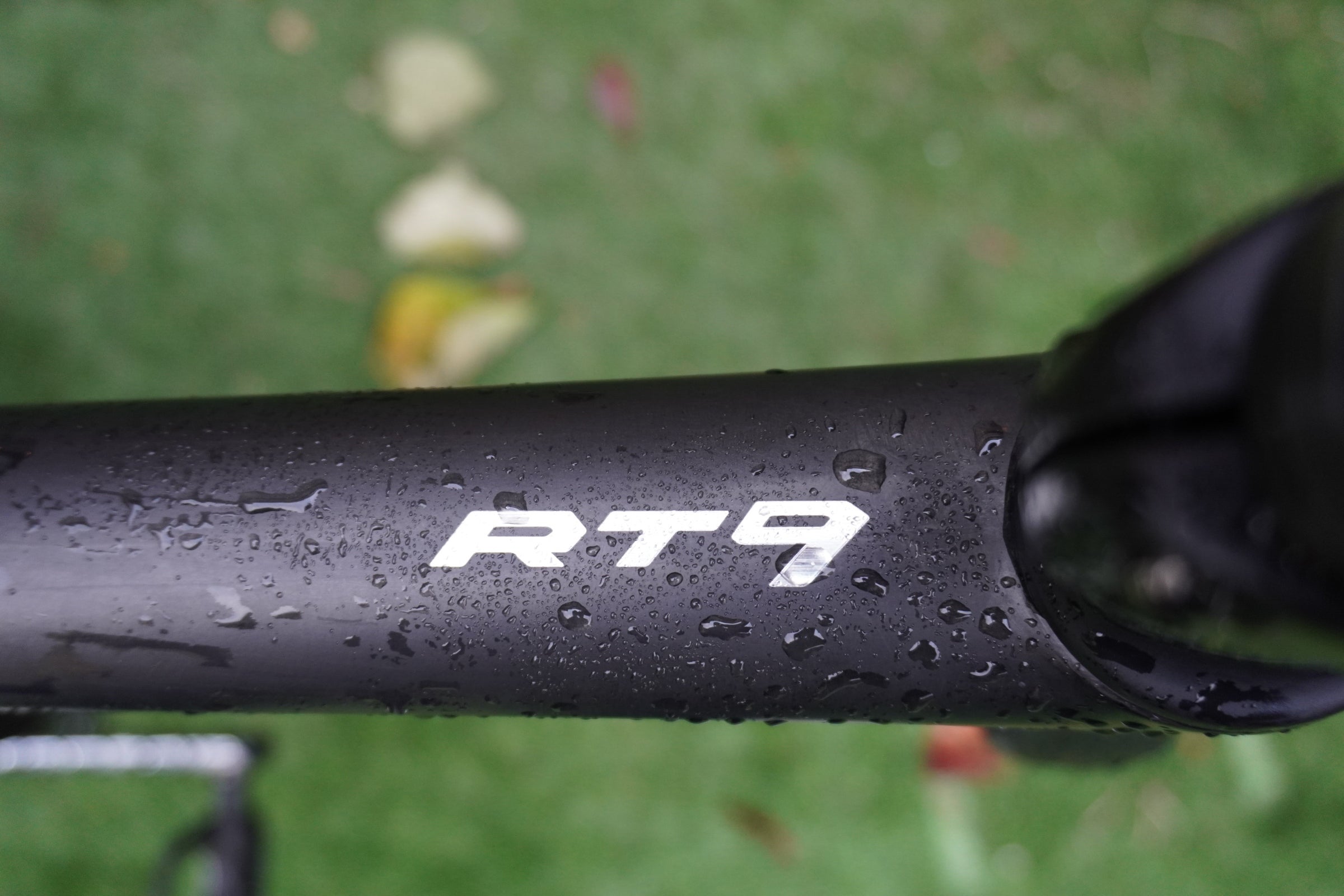
Part of that stiffness and low weight is that XDS uses a round-tube design. It’s an efficient choice that maximizes stiffness with less material, but it also means you get a clean, simple, understated look for a bike that packs a serious performance punch. The RT9 makes no excuses about its purpose. No oversized downtubes. Zero aero shapes. Instead, you’ll find round tubes and slimmer profiles. If you want a time-trialing, wind tunnel stunner, keep looking.
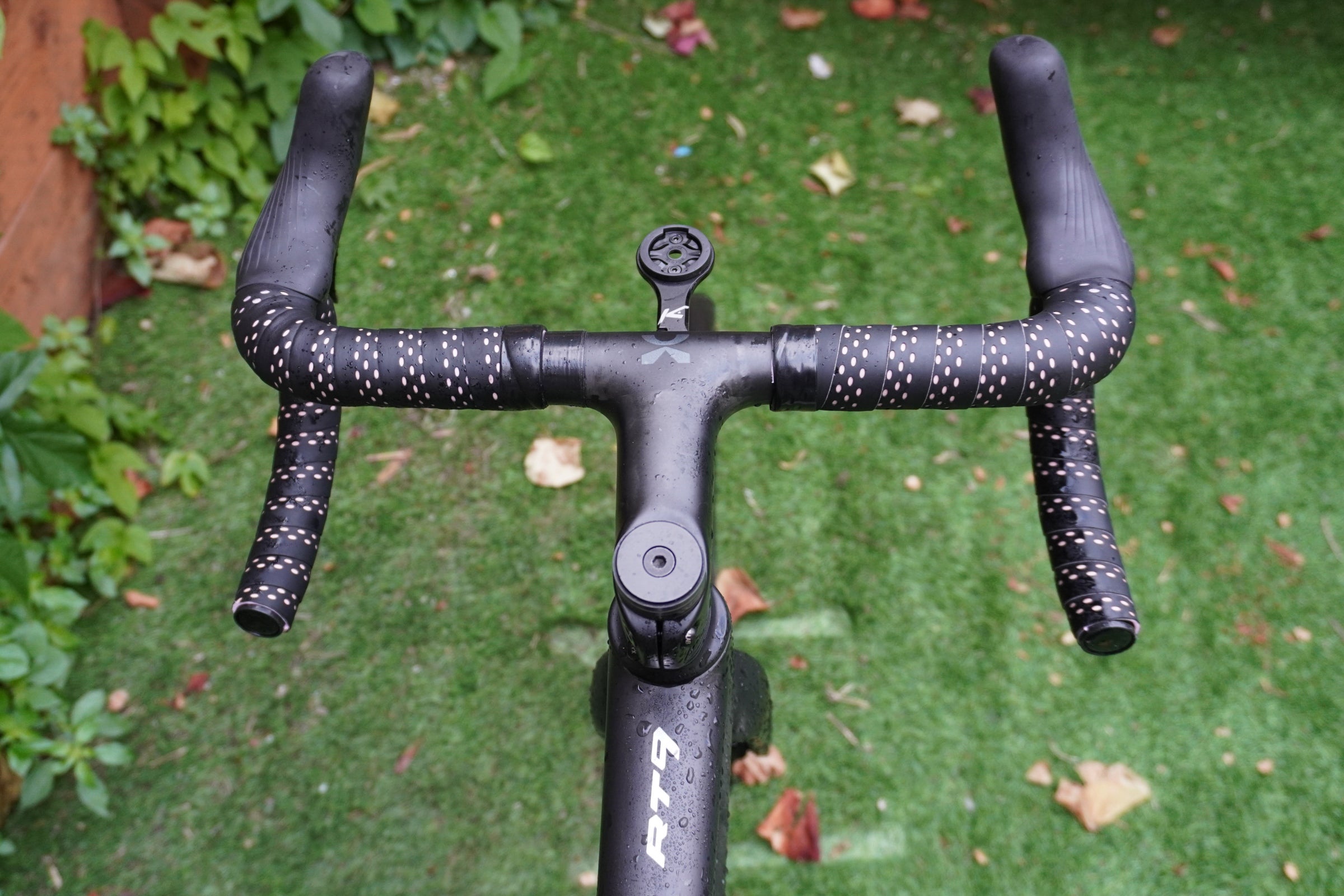
The weight savings continue throughout the build. Up front, the RT9 uses a one-piece bar/stem for maximum gram shaving but the sizing options are rather limited for the cockpit across frame sizes. For example, my size small is paired with a 100mm stem on a size 360mm bar. Unfortunately, there’s no 90mm stem option, just 80mm on the XS, 100mm on the S and M, and then a 120mm on the L. Perhaps a compromise for the value price.
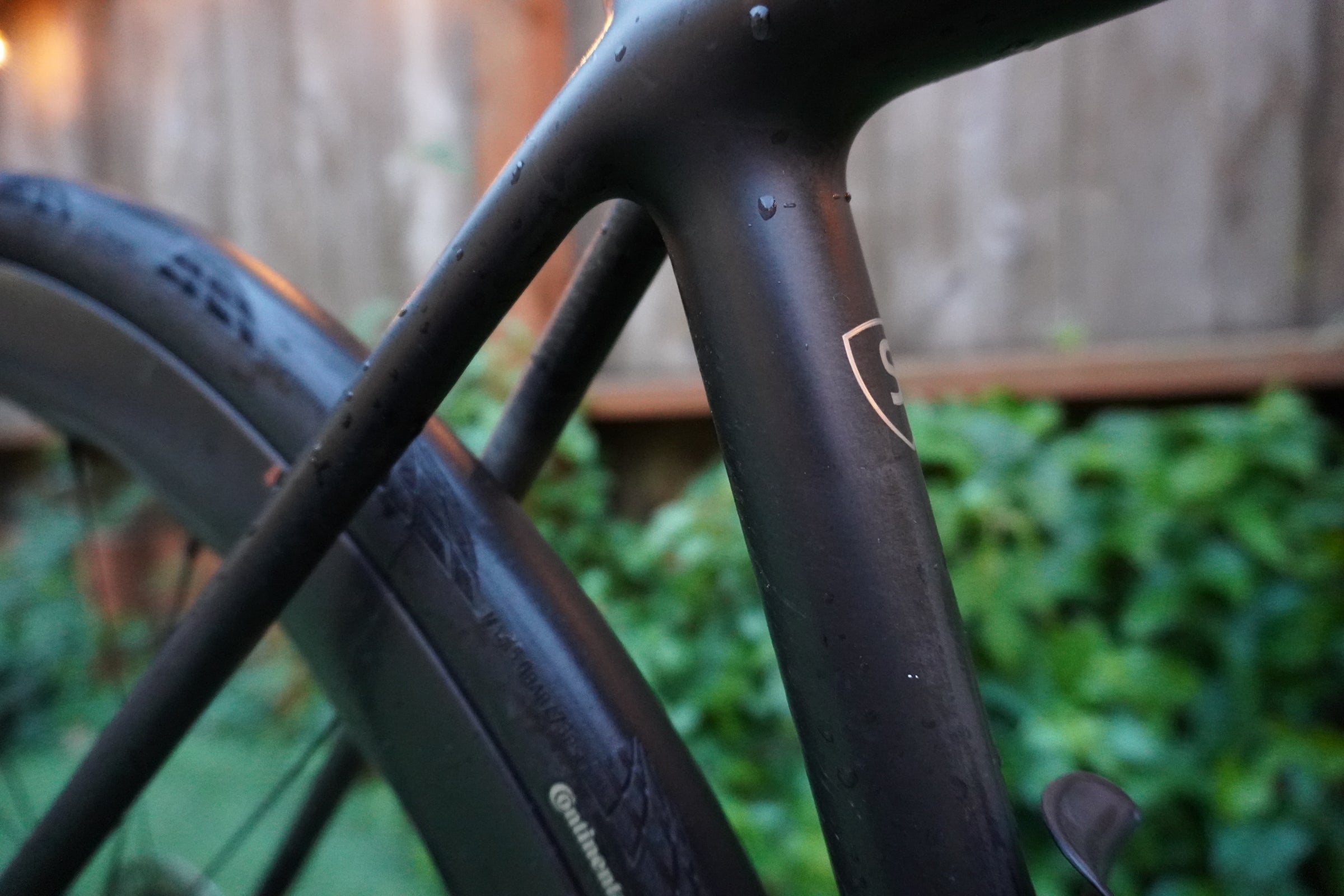
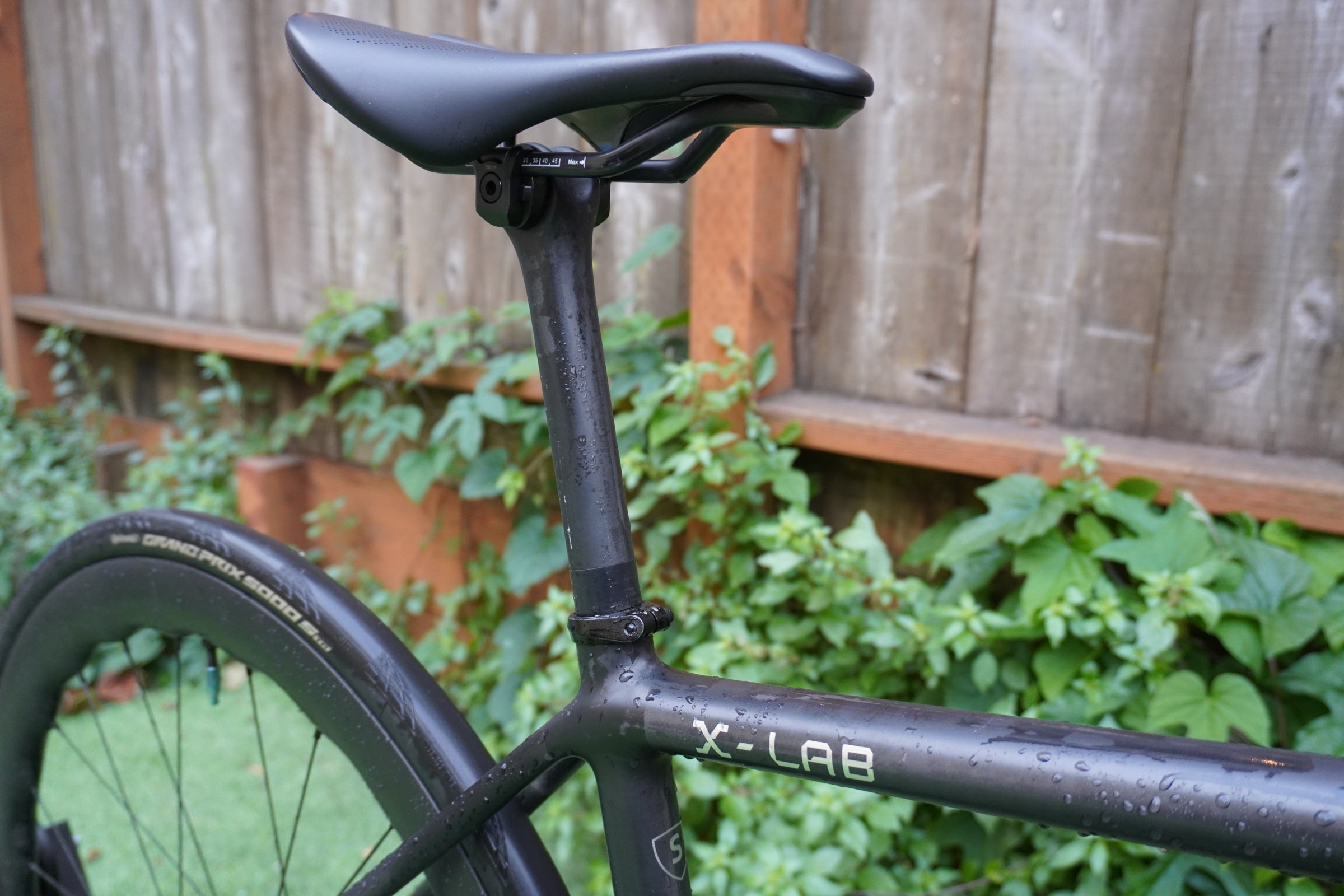
And then there’s the paint, or lack thereof. With unfinished carbon, it’s another opportunity to lighten the load, even if it’s marginal. Plus, the raw aesthetic is another opportunity to flex that Toray carbon DNA on a bike that’s all about weight. After all, every little bit counts.
And yes, if you feel like you’re looking at a Specialized Aethos 2, your eyes aren’t deceiving you. The design inspiration is definitely there. It’s even reflected in the geometry, with identical chainstay lengths at 410mm and head tube angles that are just 0.3 degrees different (71.7 on the RT9 versus 71.4 on the S-Works Aethos 2 in a size 49), plus a wheelbase that’s just 1mm longer on the Aethos 2. If the bikes aren’t identical twins, they’re certainly first cousins.
Honestly, even the stack and reach are practically identical, with just 3mm more stack and 1mm less reach on the RT9. To put that into context, it’s about the thickness of two stacked coins. So I’d be surprised if you could feel that in the saddle. Although with the RT9, you’ll certainly get the same snappy, reactive character that makes this bike such an exceptional climber.
The most meaningful difference between the two comes down to the seat tube angle. On the Aethos 2 it’s 75.5 degrees, putting it squarely in the aggressive climbing category, whereas the RT9 takes a slightly more relaxed approach at 74.2 degrees. Given that traditional endurance setups sit closer to 72-74 degrees, that extra 1.3-degree difference gives riders a little more comfort on long efforts, without sacrificing power.
To put this in practice, the Aethos 2 will place your hips slightly more forward and directly over the pedals. The RT9 sets you a little further back—a fit that’s marginally more forgiving.
XDS X-LAB RT9 Build Details
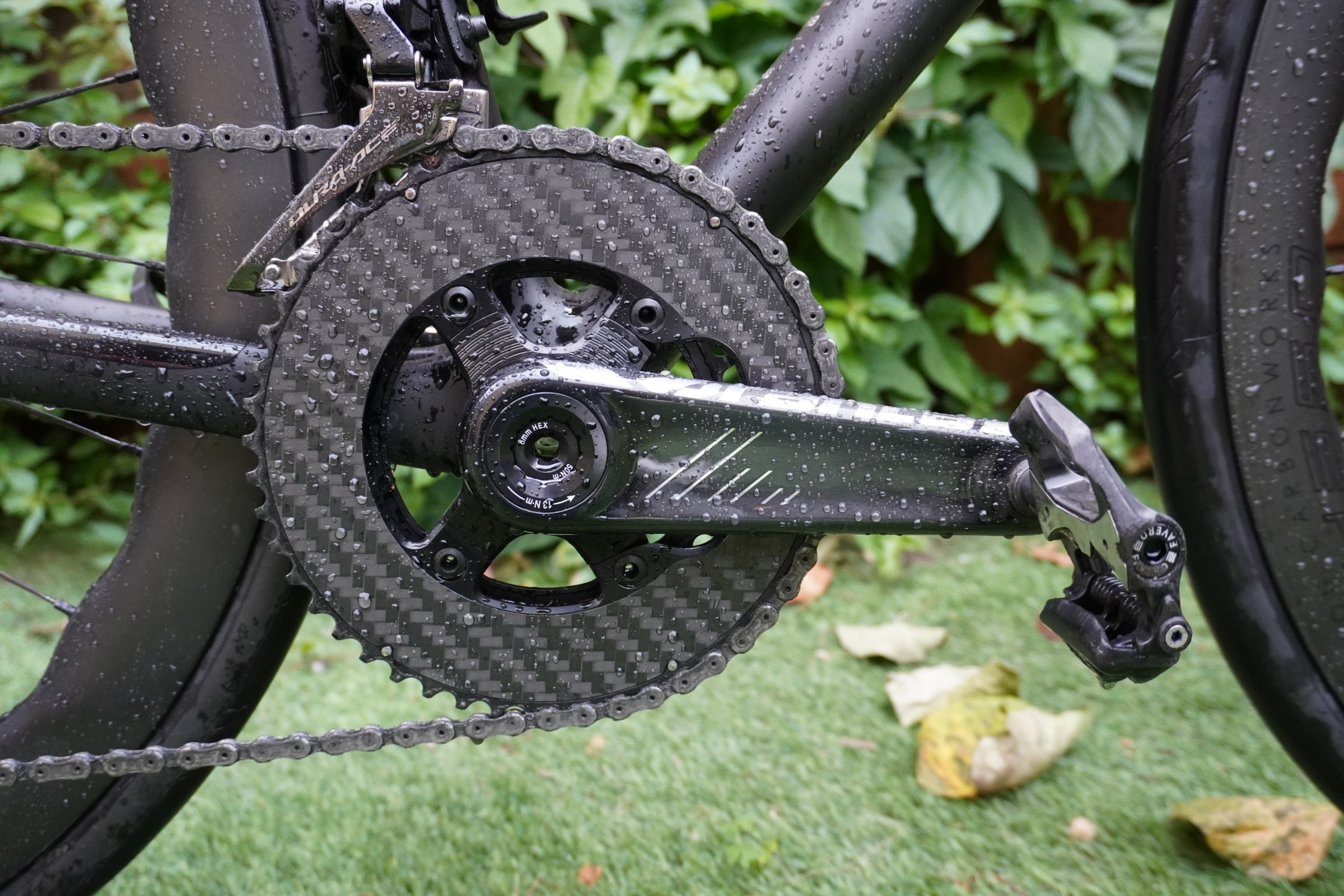
The RT9 is available as a complete bike or frameset only. Previously, there had been a team option, but it’s currently disappeared from the site, leaving no color options. There’s also only one spec option, and it’s Dura-Ace. Despite that, XDS swaps the crank for an in-house piece. The Branta carbon crankset is a big, beefy-looking monster, but it also includes something Shimano doesn’t: a dual-sided power meter as standard.
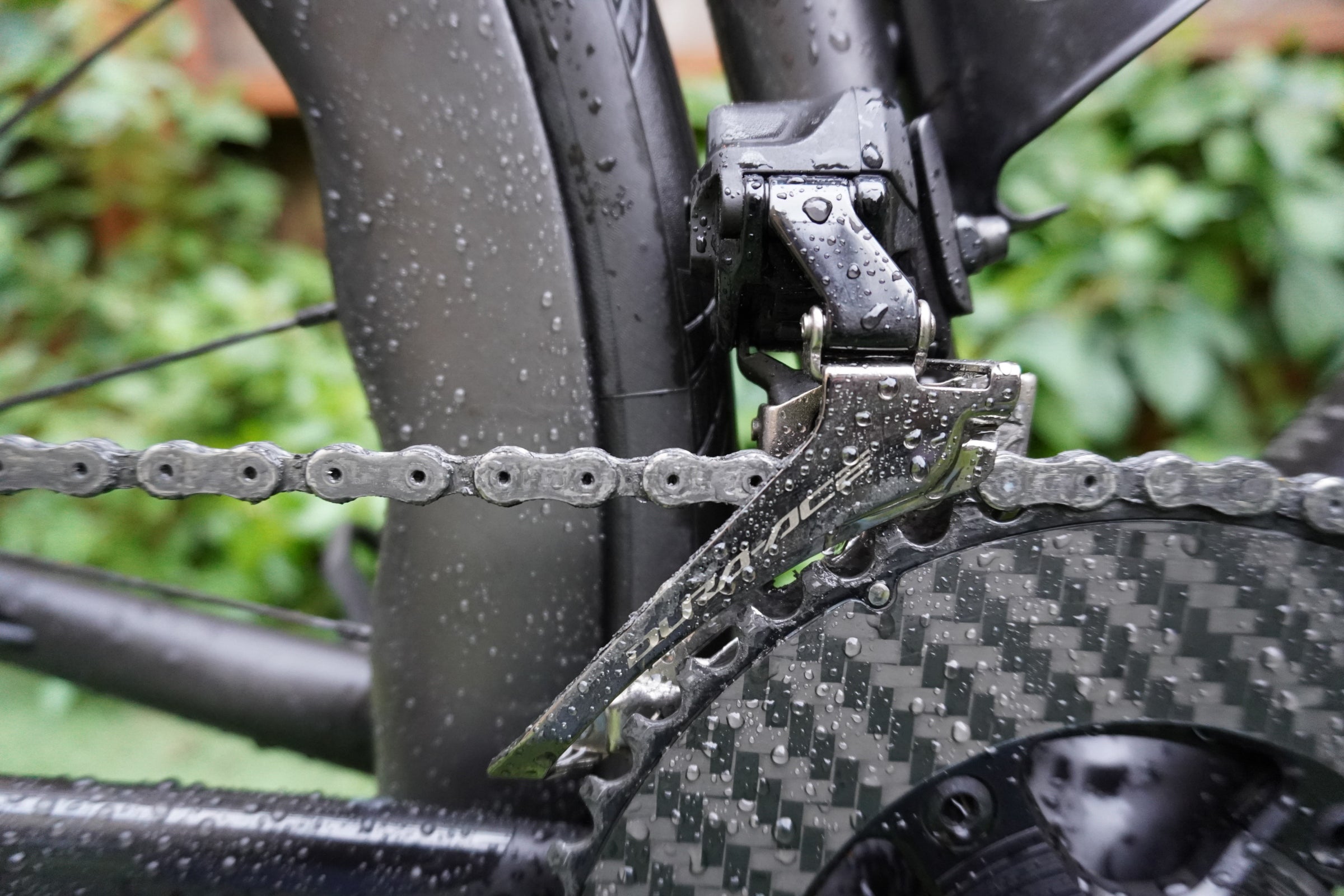
Full disclosure: I did not have the electronic version on my test bike, so I can’t speak to the accuracy. To make this ride happen, the CEO of XDS flew the bike personally from China to Santa Monica.
Now that’s service, but I did not get to test the power meter or the integrated Apple Find My built-in tech. It’s a really clever idea. Too often, I’ve struggled to find a good hiding spot for an AirTag—somewhere hidden on the bike that can’t be easily found and tossed. This is a truly elegant solution.
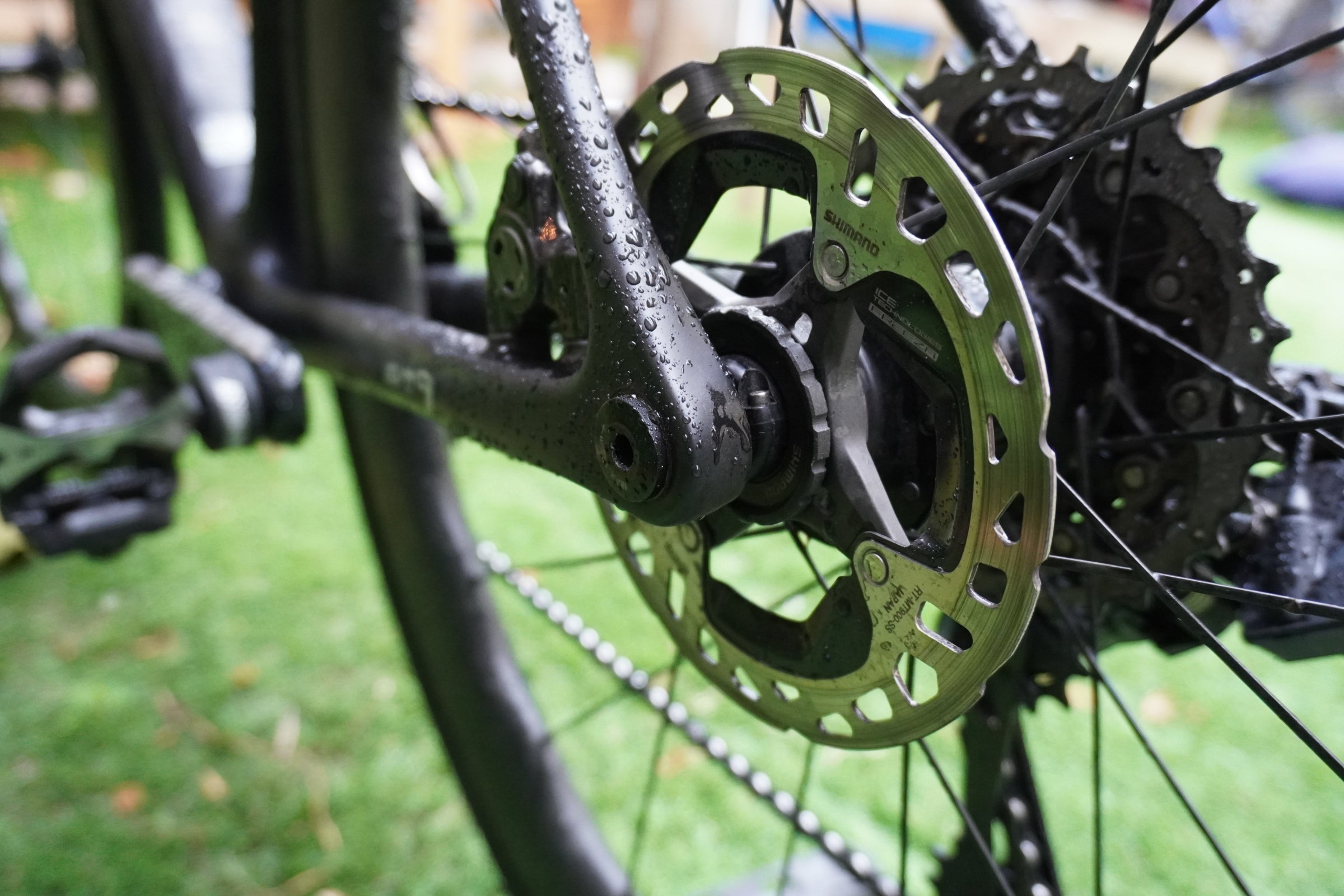
A little less elevated is the choice to pair the front chainring with a carbon plate. Sorry, this isn’t a carbon chainring, but instead just a decorative facing. While I suppose it gives a striking look, it seems like an odd cosmetic touch on a machine that’s purpose-built from every angle.
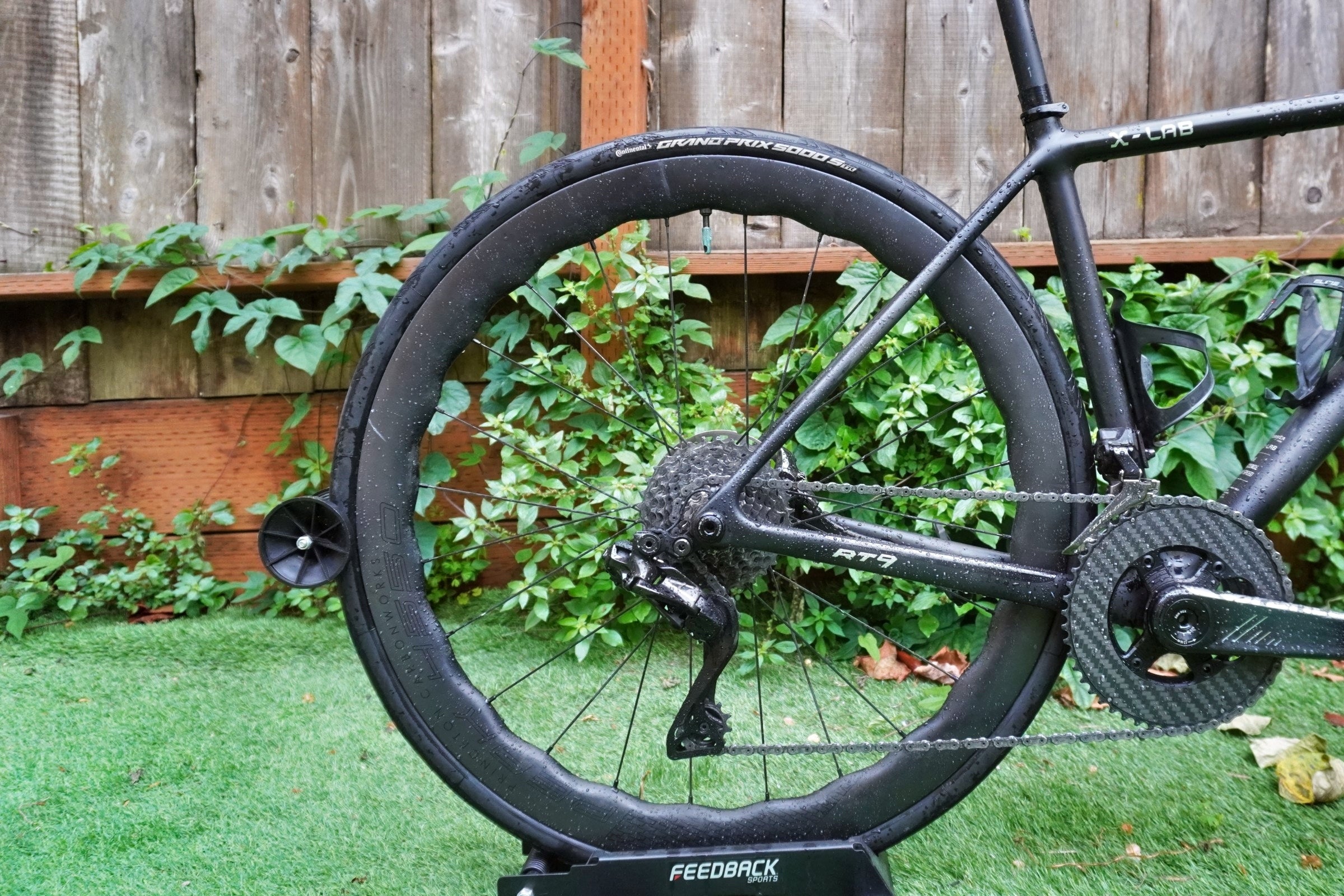
The stock wheelset is another problem area. The Branta C50 ULR carbon wheels are tubeless-ready and come with carbon spokes, weighing in at just 1,230g. For a rim that deep, it’s a pretty impressive number. However, I struggle with the philosophy of pairing deep rims as the only option with a climbing bike. It just seems incongruous with the entire bike’s purpose.
Out of the box, these wheels are paired with a set of Michelin Pro 5 28mm tires, running tubes. Change these immediately. The tires do nothing for the ride feel, and running a super stiff bike with an even stiffer tubed tire results in a lot of unhappiness. Ask me how I know.
| Component | Specification |
| Frame | XDS Carbon Frame, Toray T-1100 + M40X, UDH Compatible |
| Fork | XDS Carbon Fork, Toray T-1100, 100x12mm Thru-axle |
| Handlebar / Stem | Branta Carbon Integrated |
| Seatpost | XDS Carbon Seatpost, 27.2mm |
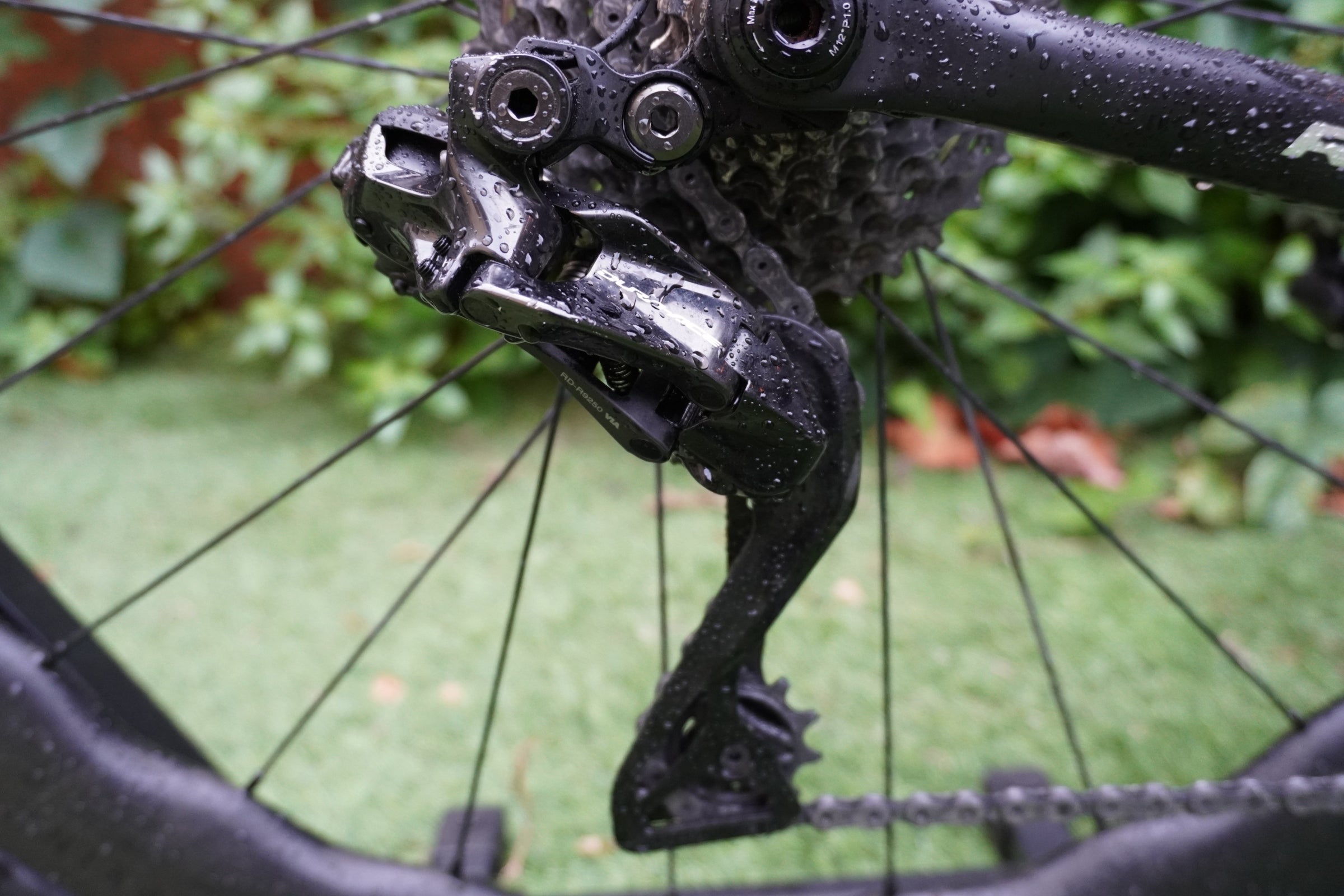
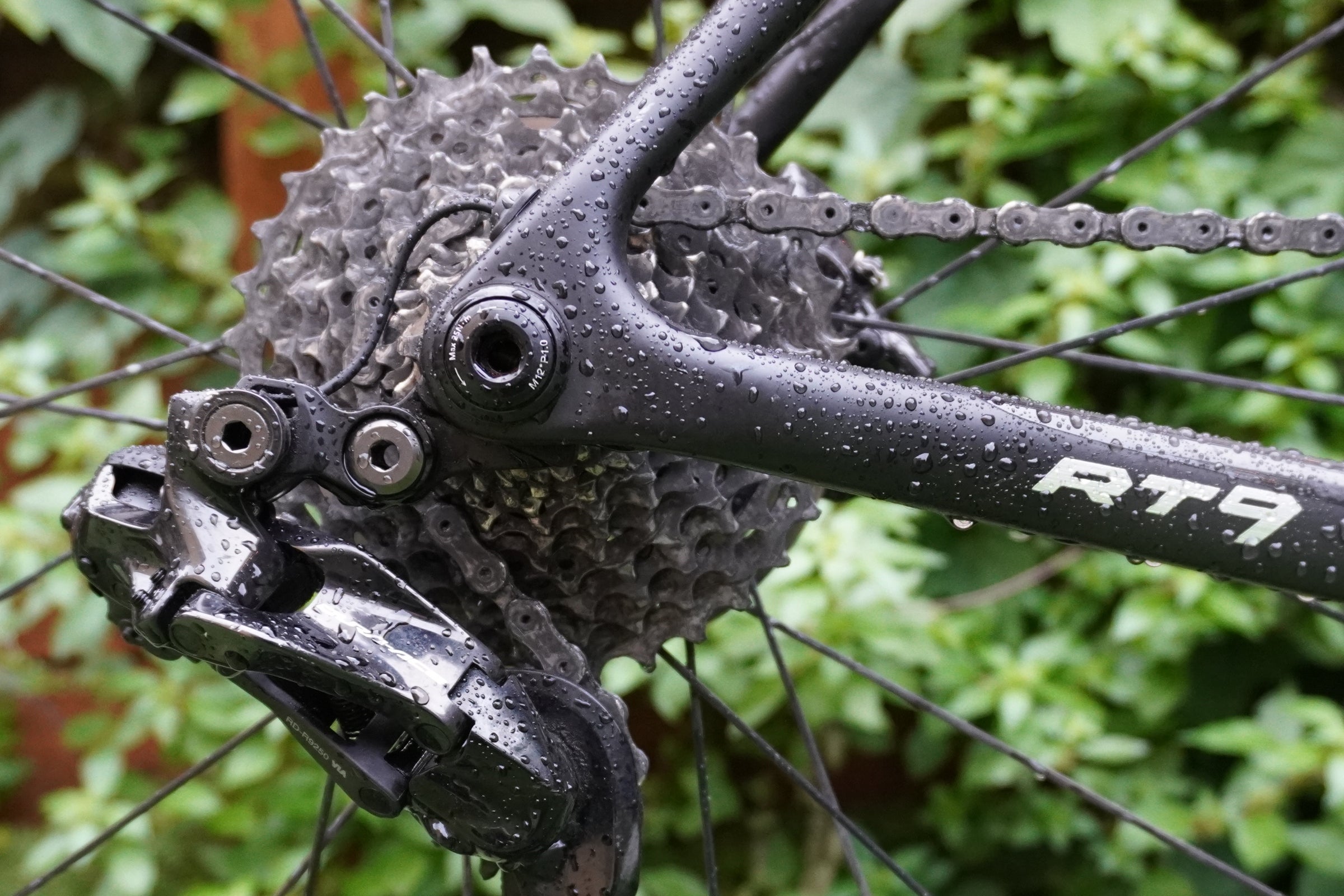
| Rear derailleur | Shimano Dura-Ace RD-R9250 Di2 |
| Front derailleur | Shimano Dura-Ace FD-R9250 Di2 |
| Shifters | Shimano Dura-Ace ST-R9270 Di2 |
| Brakes | Shimano Dura-Ace BR-R9270 |
| Cassette | Shimano Dura-Ace CS-R9200, 11-34T |
| Crankset | Branta Carbon Power Meter Crankset, 52-36T, 29mm Alloy Spindle, Apple Find My Anti-Theft Technology |
| Bottom bracket | BSA 29mm |
| Rotors | Shimano SM-MT900, F:160mm R:140mm |
| Chain | Shimano CN-M9100 |
| Wheelset | Branta C50 ULR, Carbon Rims & Spokes, Ceramic Bearings |
| Tires | Michelin Pro 5 700x28C (Max Tire Clearance: 30C) |
| Saddle | Selle Italia SLR Boost, Carbon Rails |
| Weight | 6.20 kg / 13.64 lbs (Size L) |
| Size options | XS / S / M / L |
| Pricing | $3,499 frameset / $9150 complete bike with Dura-Ace |
XDS X-LAB RT9 Geometry
| Length: mm // Angle: degree | XS | S | M | L |
| Seat tube length (mm) | 430 | 460 | 480 | 500 |
| Top tube length (mm) | 498 | 520 | 540 | 563 |
| Head tube length (mm) | 110 | 120 | 137 | 157 |
| Seat tube angle (°) | 75 | 74.2 | 74 | 73.5 |
| Head tube angle (°) | 70.5 | 71.7 | 73 | 73.5 |
| Chainstay (mm) | 410 | 410 | 410 | 410 |
| Wheelbase (mm) | 972.5 | 977 | 978 | 992 |
| Bottom bracket drop (mm) | 74 | 74 | 72 | 72 |
| Stack (mm) | 510 | 525 | 543 | 567 |
| Reach (mm) | 362 | 372 | 384 | 396 |
| Front center (mm) | 574 | 578 | 578 | 592 |
| Standover (mm) | 704 | 728 | 750 | 769 |
XDS X-LAB RT9 Ride Experience
Velo has already tested the XDS X-LAB RT9, but I wanted to push it further. What is it like to really climb with this bike, and how does it hold up over the long term? I had an idea.
Everesting has been around for a while. It’s where you do repeats of one climb until you hit the goal of 29,029 feet. However, in November 2025, the Everesting team launched a new idea, the Everest Roam. The required elevation stays the same, but the adventure comes in how you get there. You essentially “roam” until you hit that 29,029 feet. No sleeping. No repeating climbs. And no set route—it’s whatever you fancy. Challenge accepted. It’s on this route that I tested the XDS RT9…just 4 days after I got it. What could go wrong? Surprisingly, very little.
From the first dig on the first climb, the bike made one thing abundantly clear. It is stiff. Personally, I really like this. It means your power transfers through the pedals immediately. Every single pedal stroke is redirected into forward momentum with no flex, no energy loss, and no hesitation.
Pair that responsiveness with the lightweight setup, and it’s the closest you’ll feel to being a WorldTour rider climbing Alpe d’Huez. Or at least that’s how I imagine it. The thrill you get having a bike you can effortlessly toss around underneath you is genuinely amazing. And despite the low weight, the RT9 doesn’t feel flimsy or frail. From hard efforts to big pushes, the ride feels planted, confident, and responsive.
At the same time, the stiffness of this bike is a blessing and a curse. It will empower your climbing and give you the power you crave. It will also reveal every imperfection in the road and send that vibration straight into your hands, elbows, toes, feet, and legs. You get the idea. There’s zero nuance with this bike. This frame isn’t absorbing anything. That’s now your job.
When it comes to overall handling, the RT9 is precise…to a point. After many, many hours, I realized that the 13 pounds underneath me really does change the dynamics of how you ride it. I had to put a lot more weight into the front of the bike. And in any crosswinds, you have to brace yourself immediately. While the overall low weight is certainly part of the issue, the biggest culprit is the wheels.
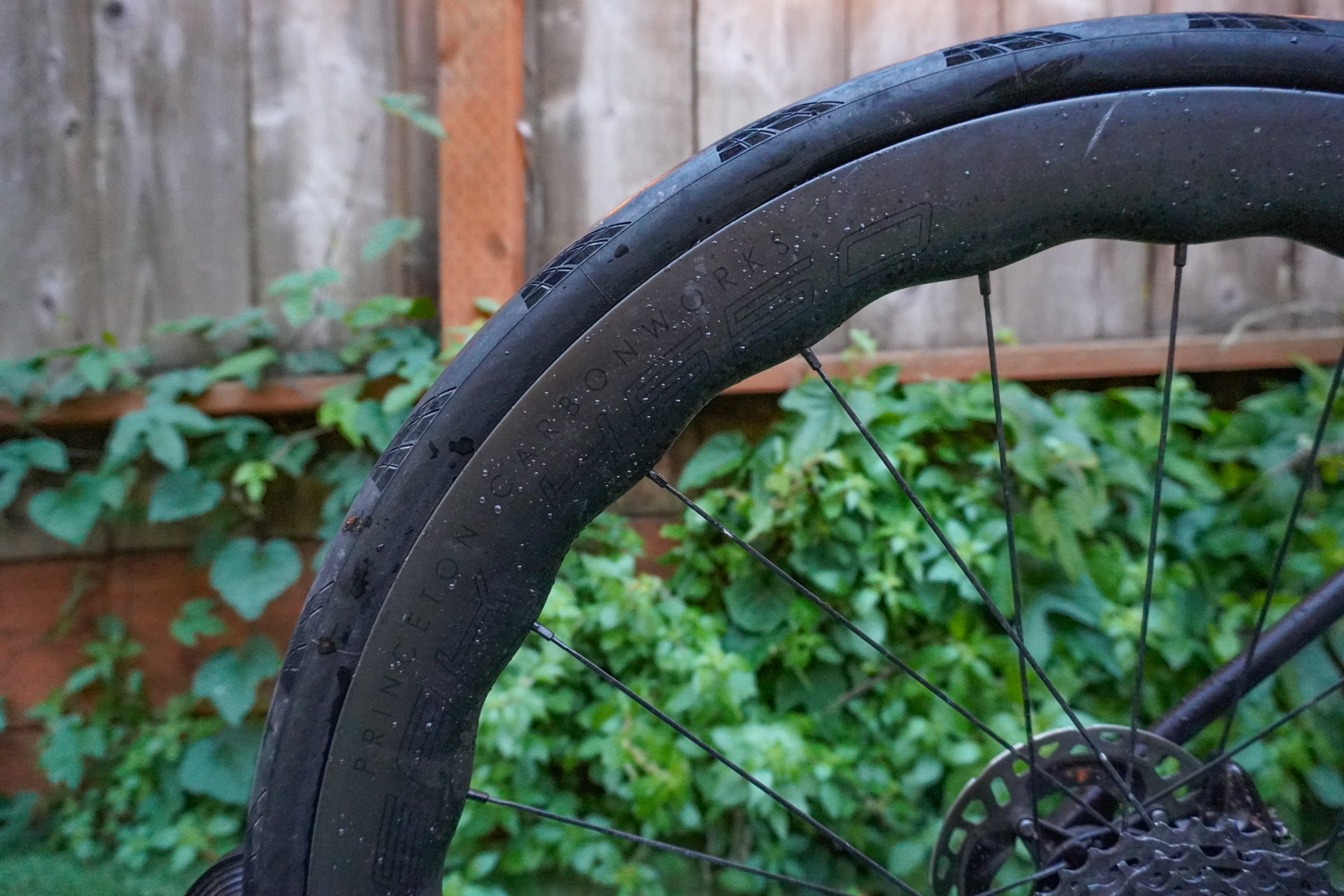
To be plain, I hate these Branta C50 wheels. They’re truly holding this bike back. There was a twitchiness that presented itself on every descent, no matter how hard I pushed down on the front end, which meant I really had to manage my speed and couldn’t hold the same aggressive lines. And once the wind picked up (which on a 20-hour ride will happen as you get just about everything), it was really unpredictable. Perhaps if I were a heavier rider, this wouldn’t be such an issue. But it was a real disappointment; climbing on this bike was such a joy, and I really did dread every descent.
The second I swapped the stock wheels out for my own Princeton Carbonworks Peak 4550s, the ride was impeccable. I could send it down descents and take corners as aggressively as I pleased. I didn’t have to worry about any shudder or twitchiness. The bike was perfect.
For my Everest, I couldn’t help but pair the all-black bike with the limited edition Giro d’Italia Vittoria Corsa Pro tubeless tires in 30mm. The pink sidewalls gave the bike my own flair. I know that they’re not the most robust rubber for an epic adventure, but the ride feel on these tires is exceptional. And on a big day out, I wanted to buffer the road chatter for as much comfort as I could. With the stiff frame and stiff Branta stock wheels, your tire choice is critical.
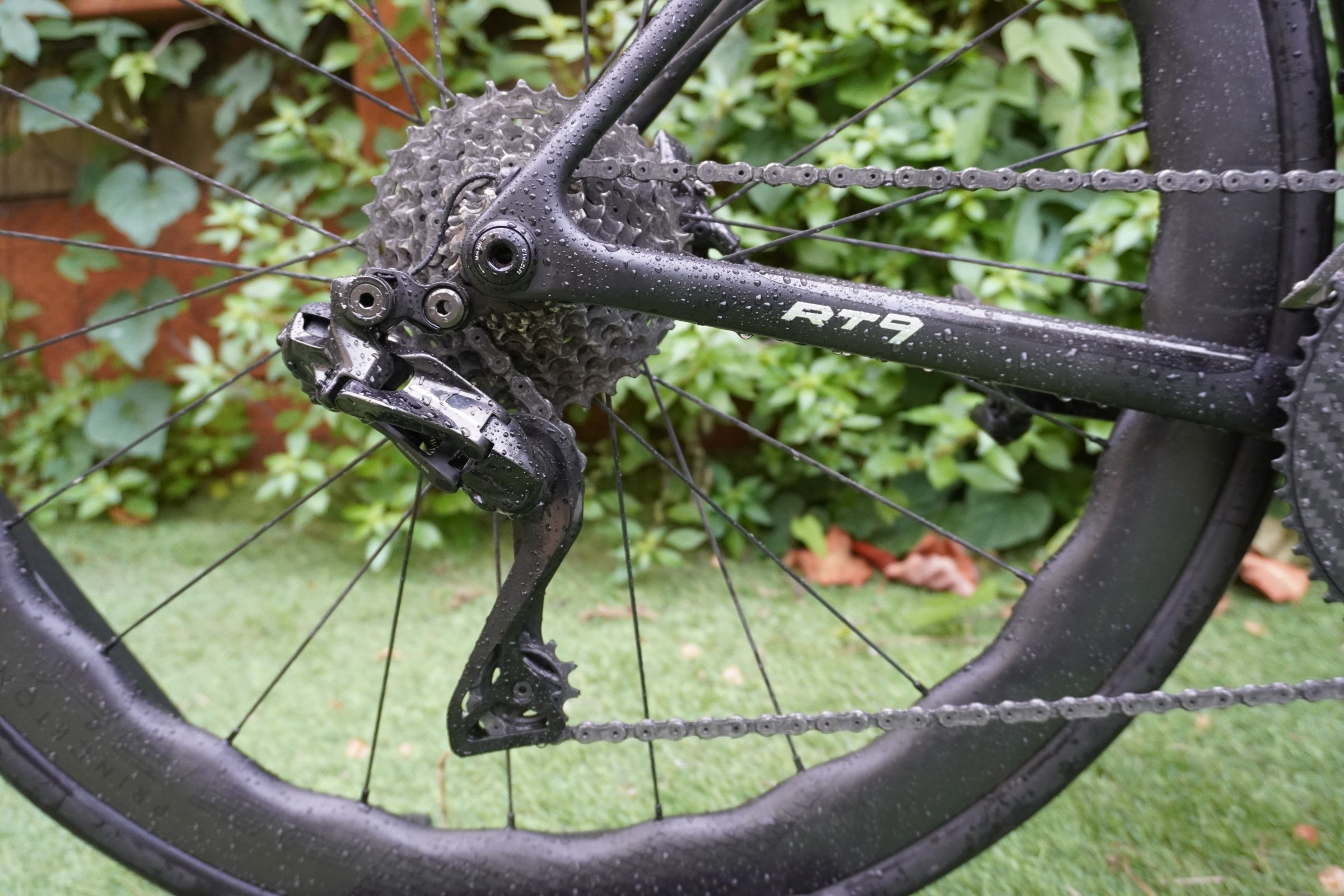
Another key choice was dialing in the Shimano Dura-Ace Di2 groupset with a 1:1 gear ratio for some serious elevation. The RT9 comes with a standard 52-36T, but I opted for the compact 50-34T paired with the 11-34T cassette. Plus, the electronic shifting really helps with hand fatigue and keeps shifting fast enough to keep up with ever-changing terrain.
I can confidently say this bike still felt great after 19 hours and 40 minutes. I was genuinely surprised by the ride comfort, and that hasn’t been the end. Since completing the Everest Roam, I’ve now put over 2,000 miles on this bike. Honestly, I think it’s getting better. Updated wheels and the change to the gearing have been enough that I don’t really want to grab other bikes these days.
XDS X-LAB RT9 Usability
XDS is taking a mostly customer-first philosophy here. The brand offers a lifetime frame and wheel warranty, the option to swap cockpit sizes post-purchase, and customer support through a local network of partner retailers and bike shops. At a time when many cycling companies are scaling back their on-the-ground presence, this feels like a sustainable approach—especially for a new brand building trust in a new market.
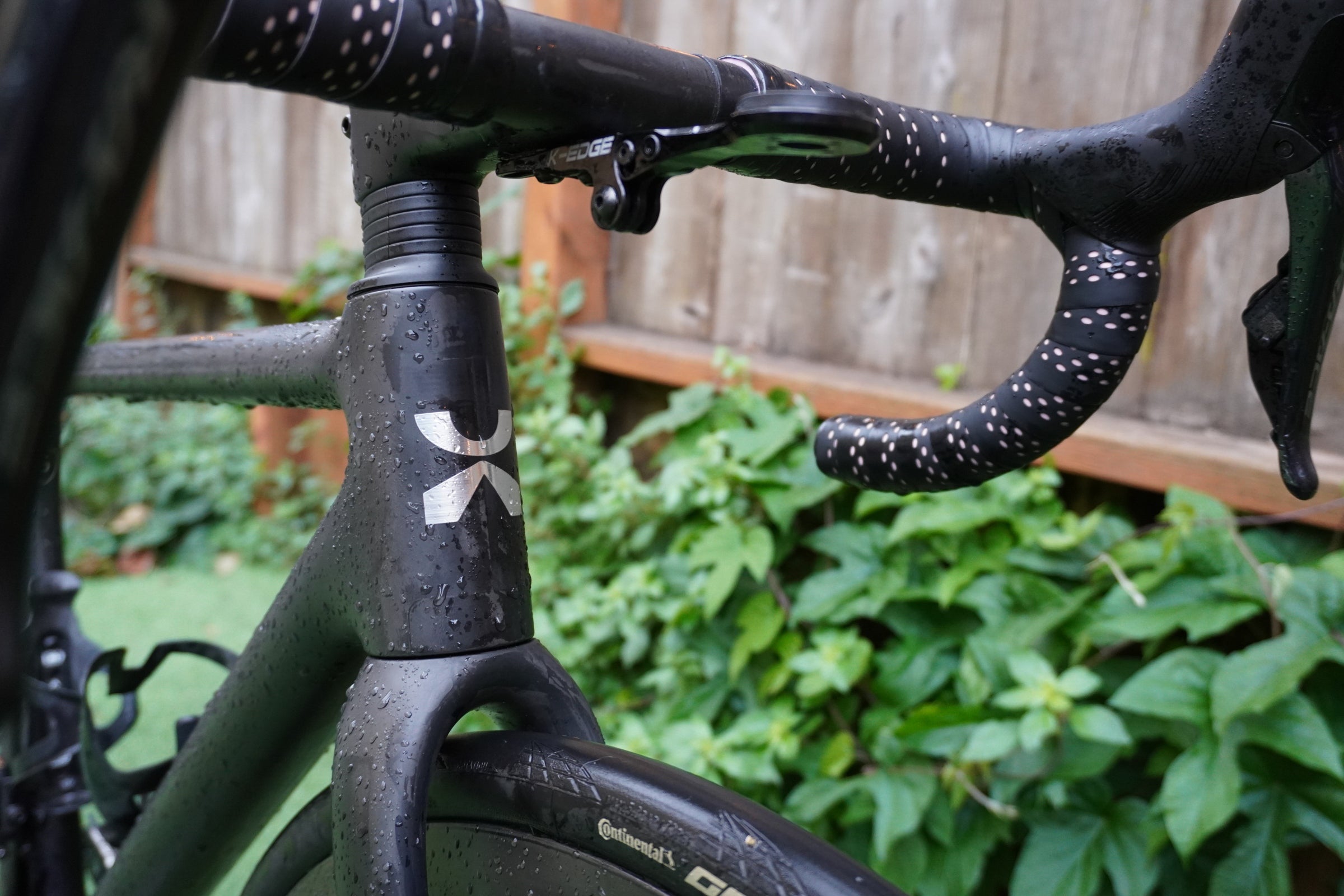
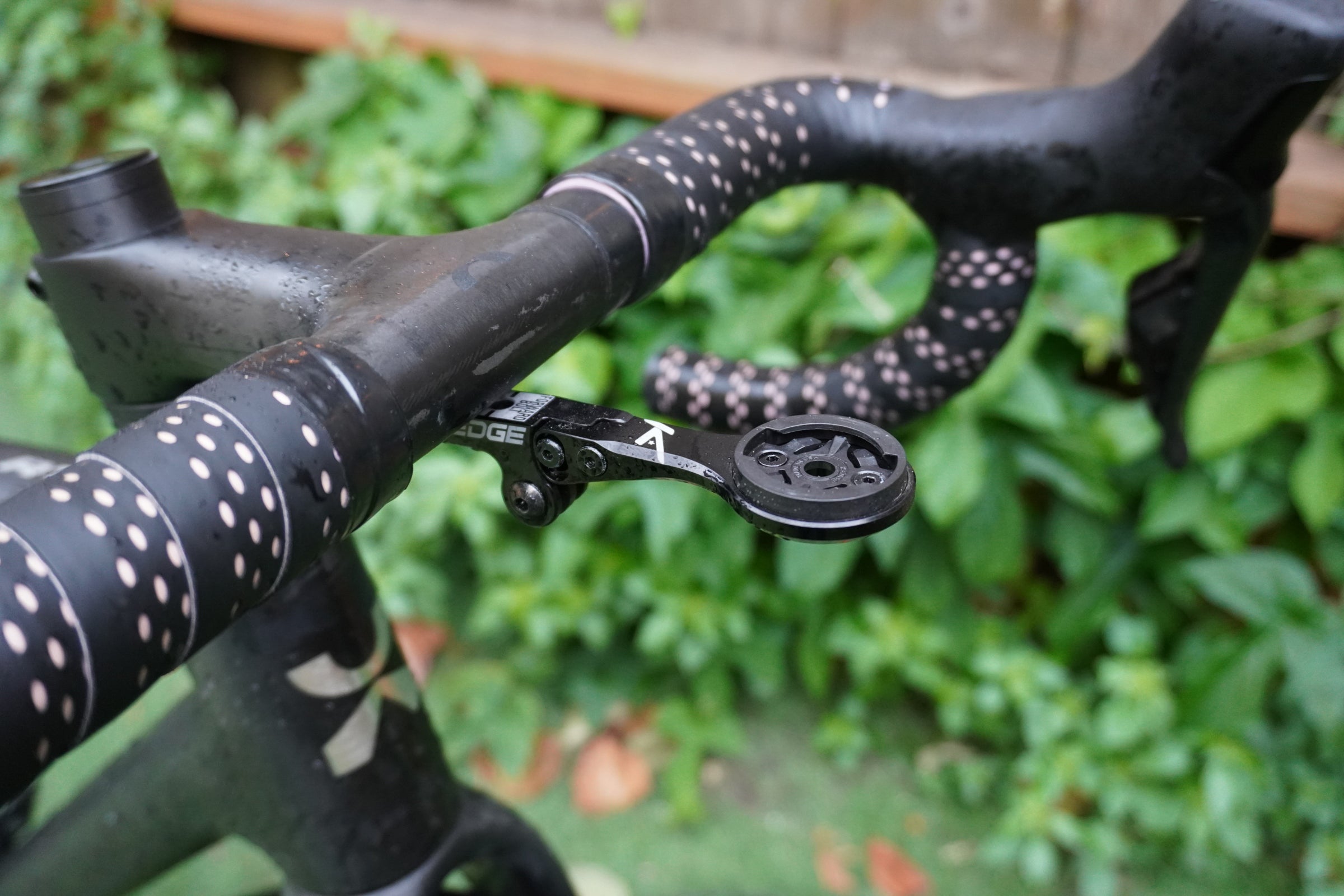
When it comes to the bike’s components, the handlebar stands out to me. I’m always a little hesitant about any integrated one-piece cockpit design. They’re beautiful and sleek, but they also leave zero margin for error. You need to ensure your fit is spot on. And while you can swap for another size, it’s not instant. Same goes for a crash replacement. You can’t simply dip into your parts bin for a replacement stem. Of course, this is the price for the modernity of an ultralight bike with no exposed cables. On the upside, this is a round bar, which means mounting lights and other accessories is a breeze. There are also bolts underneath the cockpit to cleanly install your computer mount. I opted for adding the K-Edge IHS (Integrated Handlebar System) mount. It’s durable and rock solid.
The maximum 30mm tire clearance is also a little disappointing. In a world of ever-growing tire sizes, this holds riders back. Thankfully, there are other future-proof elements like UDH and even the opportunity to swap the front derailleur for a 1x chainring up to a monstrous 68T.
The rest of the build is refreshingly simple, complete with a standard BSA 29mm threaded bottom bracket and a round 27.2mm seatpost. I always appreciate having more stock parts on a bike. Not to mention, it adds to the frame’s overall classic look.
Conclusion
So who is this bike for? Naturally, if you live somewhere hilly where climbing is part of your day-to-day riding style, this is a no-brainer. You’ll be flying up hills with minimal effort. It almost feels like some kind of cheat code.
The next person is someone looking for maximum efficiency. And while aero gains are always worth exploring, the RT9 puts that aside for something else—power. This bike is so incredibly stiff that every ounce of effort you put into it has nowhere else to go but directly into forward momentum. If you can live with the bumps and chatter of road imperfections, you’ll be rewarded with a ride that’s so streamlined that you can’t help but PR every climbing segment.
The last person who should take notice is anyone looking for a deal. While the price tag of $9,150 isn’t cheap, it is exceptional value. This build comes standard with Dura-Ace Di2, a dual-sided power meter, the world’s lightest production frame, carbon wheels, lifetime warranties, and Apple Find My tech—the list goes on. And if you were to try to find a competitor, like the Specialized Aethos 2, to walk away with a spec this packed, you’re paying well over $14,000.
Is the RT9 for everyone? Absolutely not. If you live anywhere flat, hate feeling every bump in the road, and love a relaxed, endurance fit, then keep looking. This is not your new bike. For everyone else, give this a second look.
I often wonder, do you love a bike more after you do a massive adventure with it? Or perhaps you never want to see it again? With the XDS X-LAB RT9, the answer was clear before I even finished the Everest Roam. This is a bike I keep coming back to. And after 2,000 miles, seven centuries in seven days, and nearly 30,000 feet of climbing, I think I’ve earned the right to say that with some authority. I love this bike.