Published September 23, 2026 04:05PM
The UCI wrapped up three days of meetings in Montréal during the UCI Road World Championships with a broad package of changes touching nearly every corner of professional cycling.
There are no headline-grabbing radical shifts, but there are enough details that will play out across 2027 and beyond.
There’s everything from GPS safety trackers and Olympic genetic testing to cross-discipline ranking points and a reshuffled Vuelta Femenina.
Not everything crossed the finish line.
A proposal to introduce a special jersey for the best-placed home rider in stage races has been pushed back to December following opposition from professional teams.
More interestingly for bike manufacturers, the UCI is opening up the review process for equipment and rule changes starting in 2027.
Here are seven of the most important developments:
1. GPS rider tracking moves closer, but no start date yet
The UCI reaffirmed plans to introduce real-time GPS tracking across professional road racing, but no firm start date is set.
The system would track riders and race vehicles, allowing organizers to locate competitors quickly following crashes and other incidents.
GPS tracking was deployed across all categories at the 2025 road worlds in Rwanda and is being used again during the 2026 championships in Montréal.
GPS tracking has been a burning safety issue since the death of Swiss junior Muriel Furrer at the 2024 road worlds in Zürich.
The 18-year-old crashed off the road during the junior women’s race and remained undiscovered for more than one hour before rescuers found her. She died the following day from her injuries.
Despite calling its wider implementation “pressing,” the UCI stopped short of setting a deadline. Technical protocols, regulations and a rollout schedule are still being developed.
The measure is part of a wider safety package that also includes mandatory new barrier standards for the final 200 meters of WorldTour and Women’s WorldTour races beginning in 2027.
In light a string of high-profile crashes and rider deaths, however, some say those measures don’t go far enough to address cycling’s safety issues.
2. Female genetic testing planned ahead of the 2028 Olympics

The UCI is preparing to introduce genetic testing to determine eligibility for the women’s category at next Olympic Games in Los Angeles 2028.
Under rules approved by the IOC last spring, only athletes who do not carry the SRY gene will be eligible for the women’s category in Olympic competition.
This gene, located on the Y chromosome, triggers testosterone production at puberty, the UCI said.
The UCI said athletes would undergo the test only once during their careers and insisted all results would remain confidential.
The rule would apply only to IOC-recognized events as cycling prepares for the 2028 Los Angeles Olympics.
3. A new global Junior Nations Cup starts in 2027
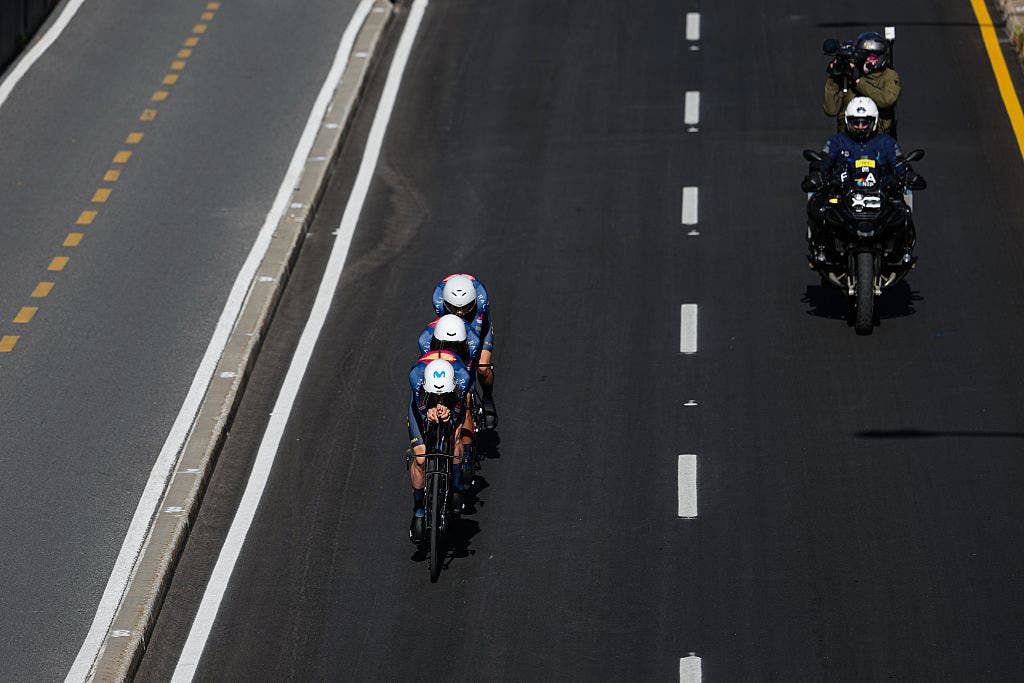
The UCI also approved the calendar and championship finale for its revamped Junior Road Nations Cup.
The 2027 series will include 11 events between February and July, with four races in Europe, four in the Americas, two in Oceania and one in Africa. An Asian round has yet to be confirmed.
Every event will include men’s and women’s races for five-rider teams, primarily national selections from the host continent. The regional structure is designed to increase participation and limiting travel costs.
Continental rankings will determine qualification for series closer, and separate national rankings will help allocate quotas for the junior road world championships.
4. The ‘best home rider’ jersey has stalled
One proposal that didn’t make it over the finish line in Montréal was a new classification recognizing the highest-placed rider from the host nation in stage races.
The idea — backed by race organizers and the UCI — would allow events to award a distinctive jersey to their leading home rider.
That might be great for race organizers hoping to give, say a top French rider like Paul Seixas, some extra podium time.
But professional teams have opposed the plan because they say another race jersey would reduce the exposure available to team sponsors and backers that underwrite team budgets.
The proposal had been expected to reach the UCI Management Committee in Montréal. Instead, the UCI said only that the “final terms” will return to the Professional Cycling Council for a vote December 8.
5. The Vuelta Femenina moves to October
The Vuelta España Femenina will shift from spring to autumn in 2027, running October 3 to 10 immediately after the men’s Vuelta a España.
The change loosens up the log-jam with the Giro d’Italia Women and Tour de France Femmes in the front half of the season, but places one of the biggest women’s stage races deep into October when most riders are thinking about vacation.
The Vuelta a Burgos Féminas will move into the Vuelta Femenina’s former spring window and run May 6 to 10.
6. Road teams can earn points across other disciplines
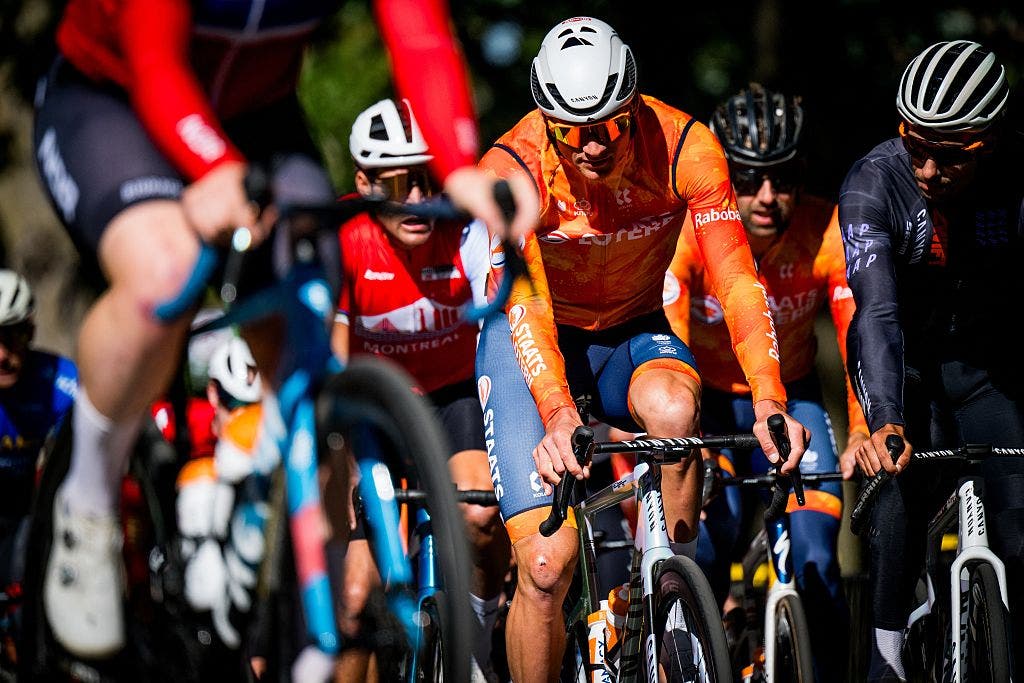
Beginning in 2027, road teams will be able to collect UCI team ranking points when their riders compete in major events outside road racing.
That’s good news for the Tom Pidcocks and Mathieu van der Poels in the peloton.
The new points scale covers cyclocross, track, and mountain bike world championships and World Cups.
Gravel will also count, but only results from the UCI’s gravel world championships.
7. Bike brands will get a formal voice on technology rules
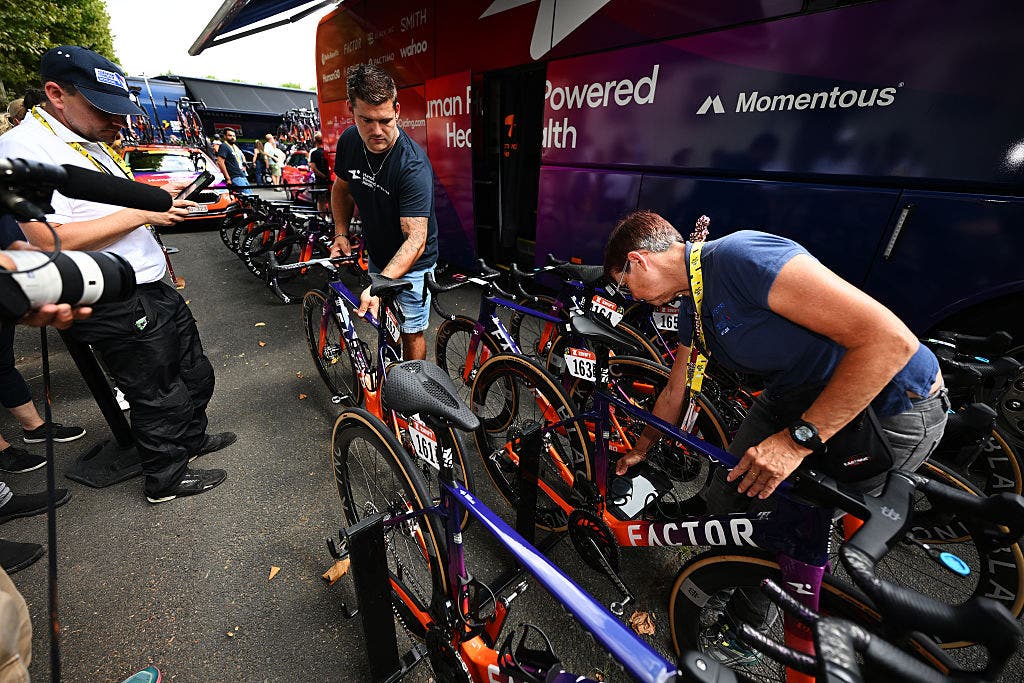
The UCI buried the lead in what’s one of the most important shifts for 2027.
The UCI will open the door to manufacturers and independent experts in having a voice in shaping equipment regulations.
Separate technical committees will cover rider equipment, clothing, protective equipment, frames, wheels, tires and data.
Their recommendations will feed into the UCI Equipment and New Technologies Commission, although the UCI’s Management Committee will still have the final say over any rule changes.
The UCI said it will also review the so-called “Lugano Charter,” the 1996 document underpinning the core ideas to bicycle design and technological development that some say is wildly out of date.
“From a regulatory perspective, the opening of a new consultation framework with cycling industry members, together with the launch of the review of the Lugano Charter thirty years after its adoption, illustrate our commitment to evolving our rules in consultation with all the families of cycling,” said UCI president David Lappartient.