Giro’s quirky collaboration with Fortnite marks next step in pro cycling’s quest for engagement with a younger fanbase. Will it work?
(Photo: RCS Sport)
Updated April 28, 2026 04:35AM
Pro cycling’s quest for engagement in an era of dual screening and doom scrolling has taken the Giro d’Italia virtual.
The Italian tour revealed on Monday an intriguing partnership with the global behemoth that is Fortnite, a role-playing computer game.
It’s a partnership first for a sometimes slow-burn sport that struggles for relevance with Gen-Zs – which is ironic given the WorldTour’s superstars are of that very same generation.
“Launching on Fortnite marks a strategic step in expanding the Giro d’Italia’s digital ecosystem and strengthening our positioning as a global entertainment platform,” said race organizer RCS Sport’s marketing chief Roberto Salamini.
“This initiative allows us to accelerate the brand’s international growth, enhance fan engagement, and create new touchpoints with younger generations.”
If you’re a crusty millennial like me who needs help – Fortnite is huge in online gaming.
Created in 2017, the cartoon role-player calls on users to battle for survival across various gaming scenarios.
Fortnite reportedly has 650 million users worldwide. According to the DemandSage reporting website, the game averages 1.3 million users per day. The ActivePlayer database rates it “one of the most popular games in the world right now.”
62.7 percent of Fortnite players are aged 18 to 24. Nearly 90 percent of the gaming population is male.
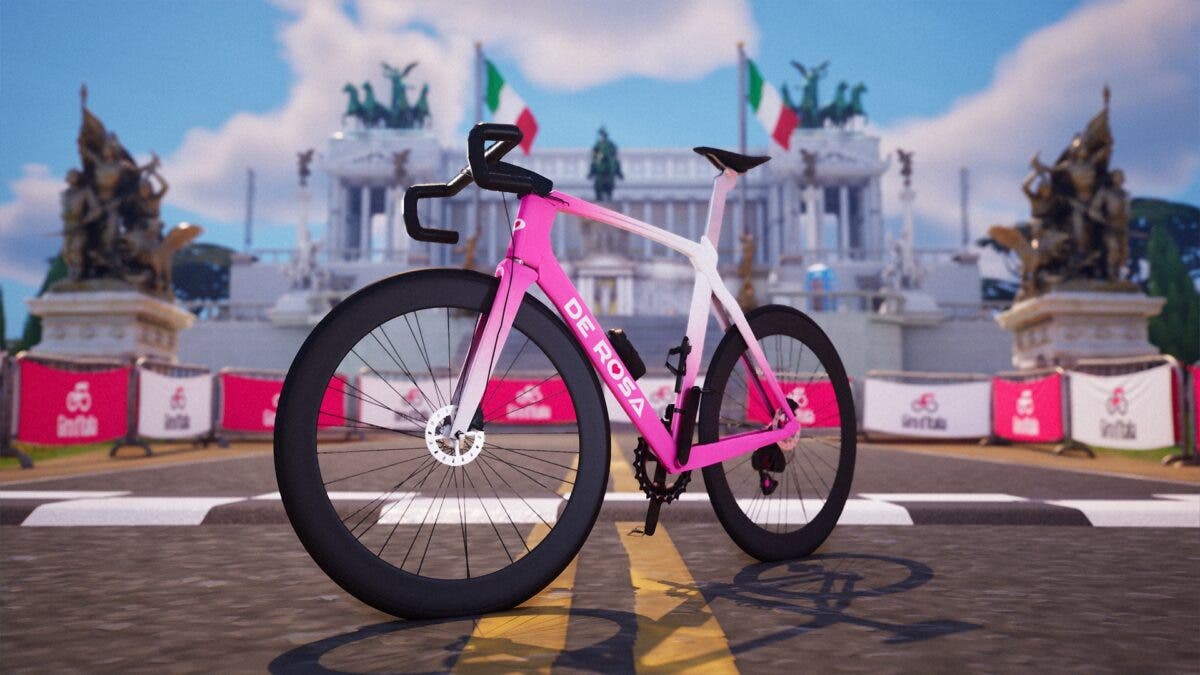
According to a press statement from RCS Sport, the Fortnite collaboration will allow users to ride through a virtual map inspired by iconic Giro locations.
A partnership with De Rosa – the official bike supplier of the Giro d’Italia – will make bicycles a transport option for the first time in the game’s history.
The search for the next generation of tifosi expands into Fortnite
What does this mean?
It’s an intriguing move by Giro organizers RCS Sport.
Cycling is typically watched and followed by an older generation.
The sport has been trying to figure out how to build a more coherent, grabby structure that might entice a younger fanbase for years.
At a broader scale, The Hammer Series was a first effort at a fast-thrill format that fizzled into stakeholder disagreement. Projects like One Cycling never got off the ground.
Meanwhile, teams have expanded their staffing to include a horde of videographers, designers, and photographers who can curate social media output to pull the chronically online.
At the micro-level, in-race initiatives like the “Golden Kilometer” have been rolled out to create scenarios suitable for 30-second reels and YouTube shorts.
It’s unclear how RCS Sport plans to measure the success of its virtual bet.
Real-life racing starts in Bulgaria next Friday, May 8.