There’s a reason Catalonia has become the centre of Europe’s cycling universe. Yes, it has community, culture and gastronomy, but most importantly, the riding is second to none – especially when it comes to gravel.
Whether you’ve got wanderlust from social media or the pages of Cyclist, a new route has been put together to provide riders from across the world the ultimate Catalonia gravel riding experience.
Inspired by the much less rewarding tour for motor vehicles, the Grand Tour of Catalonia Gravel is a huge 2,500km route based around the accessible capital Barcelona. It’s sensibly split up into 42 easily achievable stages that take riders through the region’s most picturesque settings and over more than 6,000km of gravel tracks and paths, making it the ultimate bikepacking adventure.
Those who take on the challenge will encounter legendary landmarks, sensational scenery, rich history, food and drink in abundance and, of course, the world’s best gravel riding.
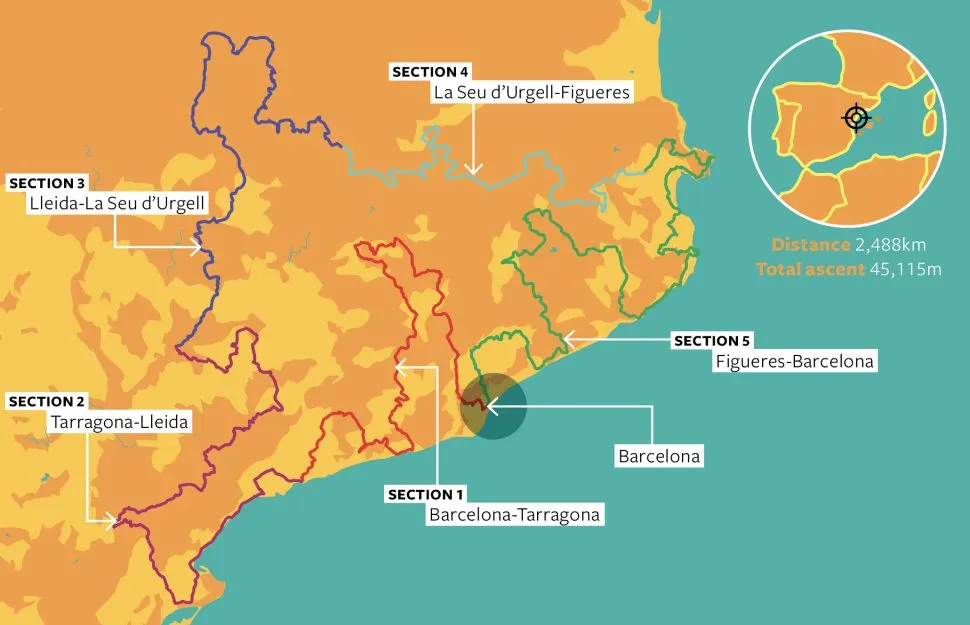
The Grand Tour of Catalonia Gravel heads southwest from Barcelona to Tarragona, round to Lleida and up into the iconic Pyrenees mountains before heading back via Figueres to Barcelona. For those who understandably don’t have 42 days to spare, it’s also split into five point-to-point stages that end in cities with plenty of transport links to find your way home.
Want to know more? Of course you do.
Section 1: Barcelona to Tarragona, 8 stages, 481km, 8,454m of elevation
It all begins right in the heart of Catalonia’s capital city Barcelona at Plaça Catalunya with a 54km roll-out passing some of the most heralded architecture on the planet, before climbing to end the day looking out over the city, the Sagrada Familia and the Mediterranean Sea.
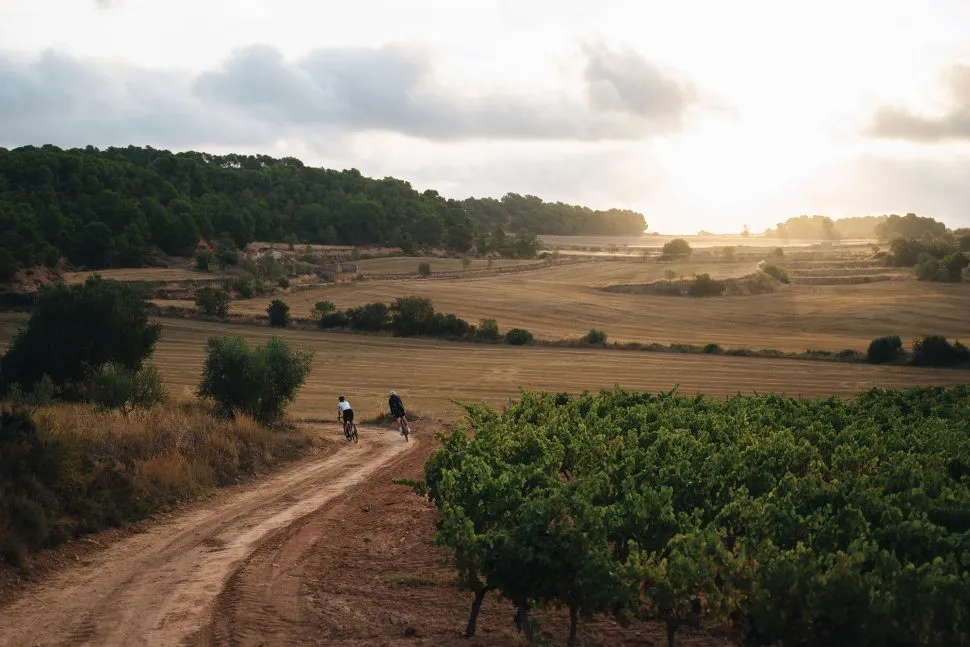
The remaining seven stages of the opening section navigate natural parks, vineyards, mountain passes and historic towns. Each stage is between 60km and 80km but several include upwards of 1,000m of climbing and more than 50% of off-road riding.
Riders will tackle climbs up to 18km long, but rest assured – those ascents are balanced with peaceful river paths, quiet forests and medieval towns. Plus, what goes up must inevitably go down.
The spectacular Montserrat mountain range is an imposing obstacle, but as a reward for conquering its slopes, the following stage heads through the capital of Catalan wine, Vilafranca del Penedès.
To finish the first chapter it’s back towards the sea to the Costa Daurada, finishing in the city of Tarragona via the magnificent Santes Creus monastery.
Section 2: Tarragona to Lleida, 8 stages, 460km, 6,092m of elevation
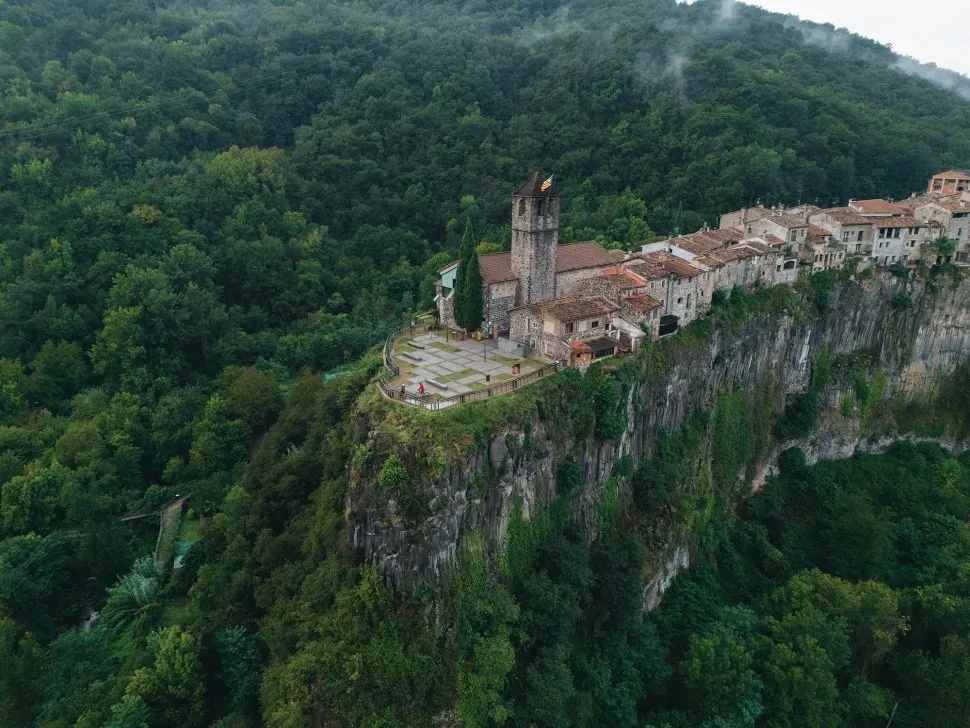
Almost 500km down, but we’re just getting started. The second section of the Grand Tour of Catalonia Gravel begins in Vermouth country with some gentle gradients across the Delta de l’Ebre Natural Park to kick things off.
Els Ports Natural Park follows on a harder but shorter day heading west from Tortosa. It’s back to more leisurely rolling after that though, along a disused railway track turned cycle path as well as plenty of olive groves and vineyards around Pinell de Brai.
The back half of section two continues in a similar vein, with a big 88km day tackling almost 1,800m of climbing, with a 50/50 gravel-to-road split. But that’s through the Priorat region, where serene vineyards undulate before leading to the wine hub of Falset, making the effort in the saddle worthwhile.
Day by day the terrain gets gradually flatter after the Prades Mountains as the route winds and wines its way to Lleida, with its hilltop fortress overlooking the ancient city.
Section 3: Lleida to La Seu d’Urgell, 8 stages, 491km, 11,390m of elevation
Think of those first two sections as merely a warm-up for what comes next, as the route points north towards the Pyrenees, crossing the Terres de Lleida.
The easiest day of this leg still tips over 1,000m of climbing and the hardest has more than 2,400m. However, the average distance covered by each stage is shorter to help make the climbing more manageable for the non-mountain goats.
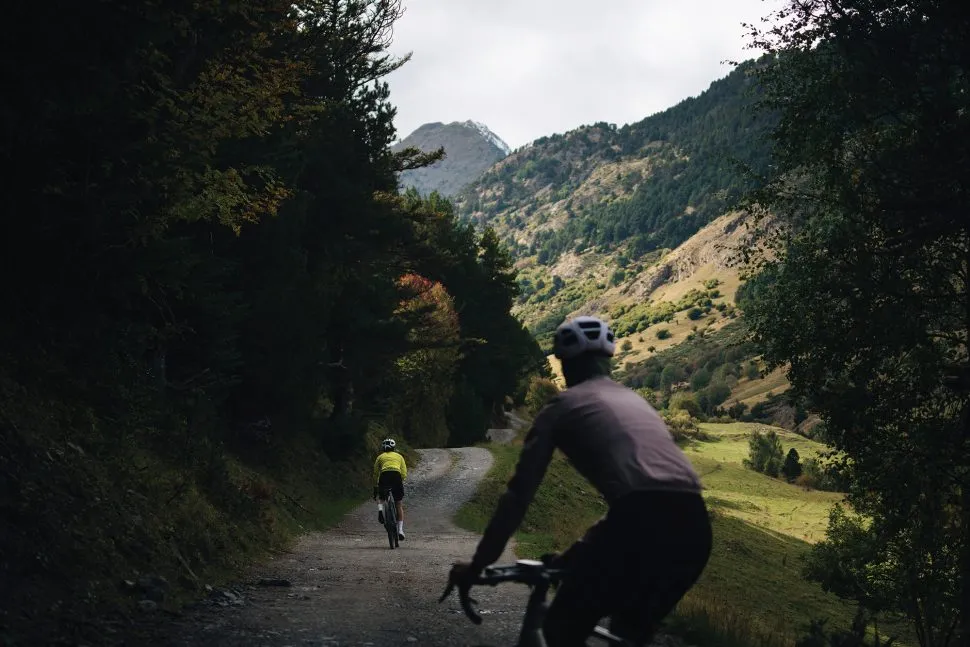
The Pre-Pyrenees at Montsec is epic, yet also surprisingly quiet. Riders will rise up the peaceful 13km of the Coll d’Ares – one of the best spots in the region to view the night sky – before meeting the kind of steep backroads that makes La Vuelta a España so feared.
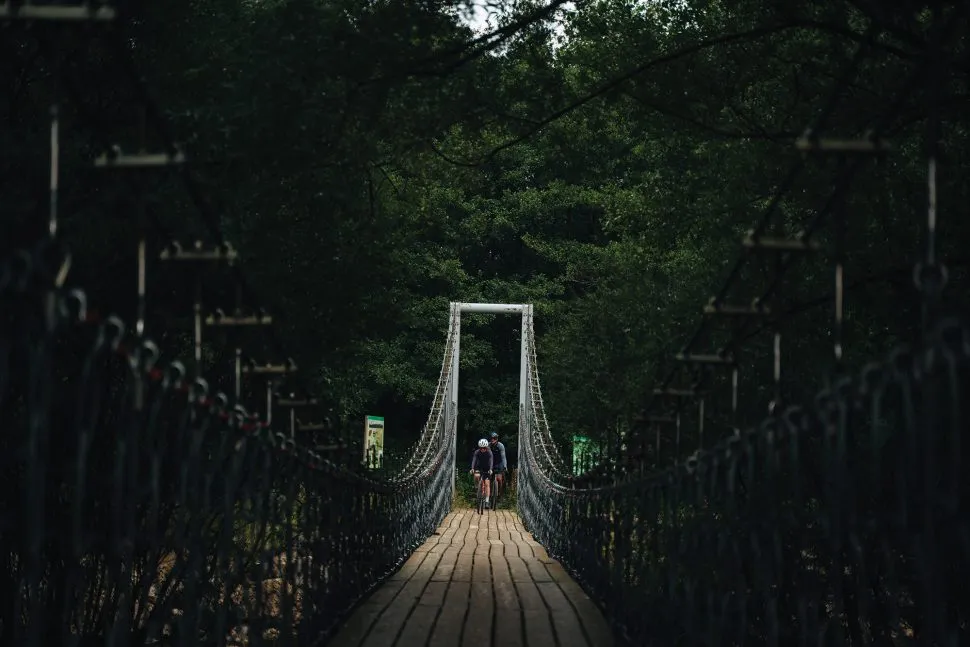
Even these tougher tests split the mix between road and gravel as you make your way through the Val d’Aran and over the Port de Varradòs pass where gravel riding shares the spotlight with spectacular mountain biking and hiking at over 2,000m above sea level.
Fir and pine forests shepherd the route over the Pla de Beret plain, home to incredible skiing come the winter. Tough climbing awaits after Espot, but there’s always a breathtaking view waiting at the top, especially after the Coll de la Creu d’Eixol, which leads to a flat ridge road that reveals the entire valley below.
This section has a brutal sting in its tail, with the 25km ascent to Torreta de l’Orri blending road and gravel up to possibly the best vista of the entire route from the dizzying peak 2,400m above sea level.
Section 4: La Seu d’Urgell to Figueres, 8 stages, 404km, 8,398m of elevation
The fourth section kicks off with a 50km stage packed with climbing, over the 16km Coll de la Trava and finishing at the Coll de Bancs – providing there’s energy left to spend.
It follows forest tracks between mountain villages, including Gósol, once home to Pablo Picasso, but that’s just a teaser for the behemoth that awaits: the Coll de Pal.
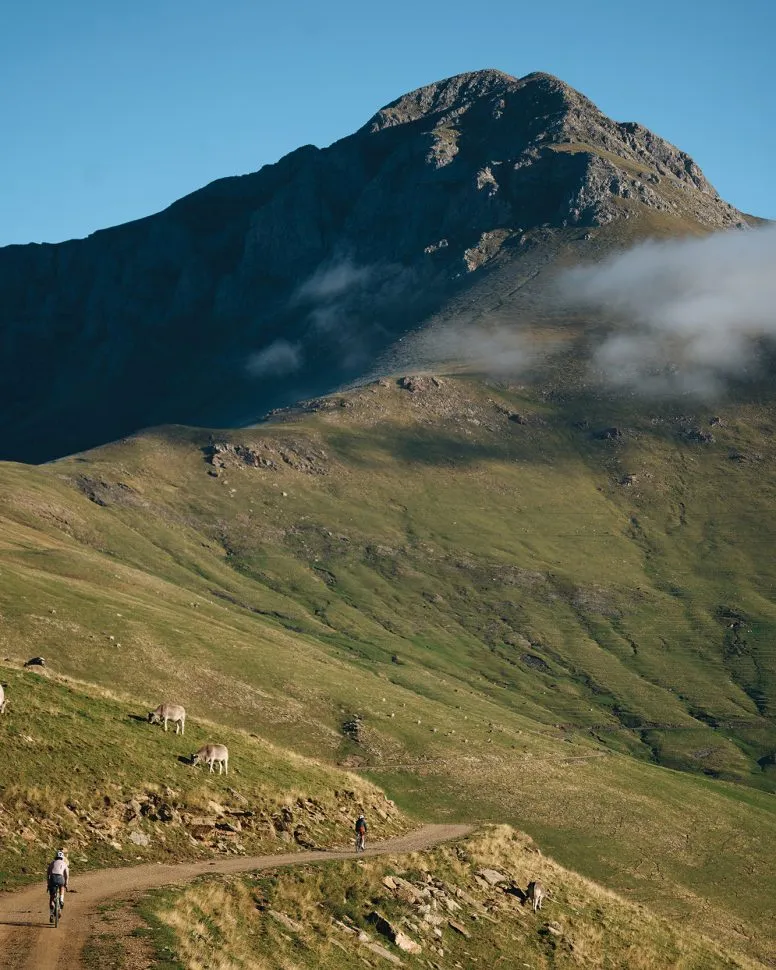
The Pal’s 20km of punishing slopes rises up one of the highest roads in all of Catalonia, topping out at over 2,100m once riders beat the 7% gradients. It’s a climb that made its comeback to pro cycling after nearly 50 years in the women’s Volta a Catalunya in 2025 and was included in the star-studded men’s race this year.
There’s yet more climbing on the following stage, but it’s all on the tarmac as you head over the Collada de Toses and the Coll de la Creueta. That’s followed by some welcome respite though, as charming forests, rural tracks and meadows lead to the spectacular volcanic backdrop of La Garrotxa. The popular Lake Banyoles comes shortly before ending this section at Figueres.
Section 5: Figueres to Barcelona, 10 stages, 652km, 10,781m of elevation
Closing out this grandest of Grand Tours, the final section is less of a lap of honour and more of a rite of passage.
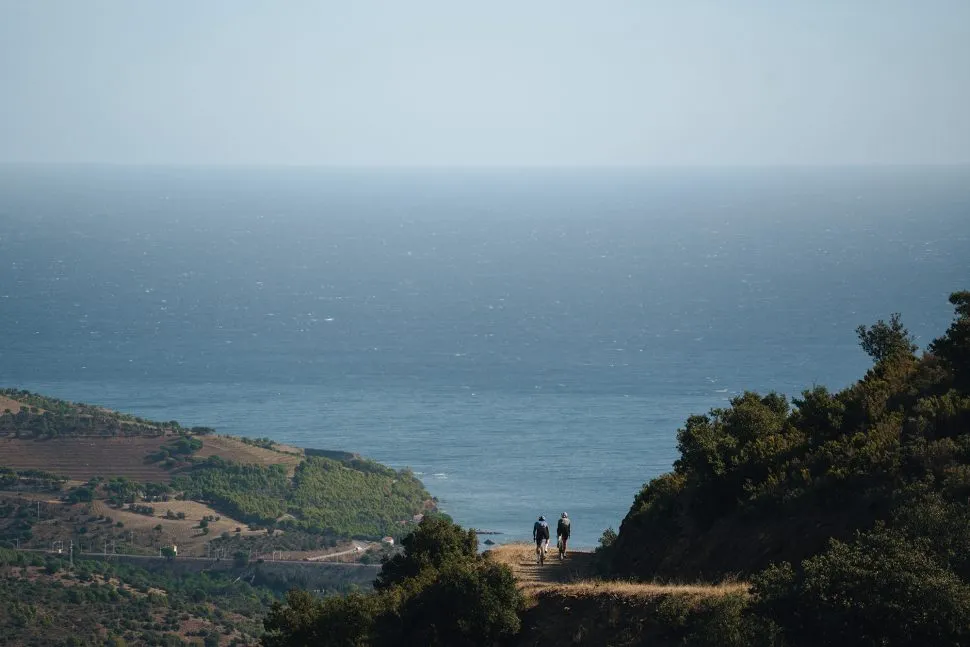
It begins in the Cap de Creus Natural Park, a landscape that inspired Salvador Dalí, and follows the Costa Brava on a blend of hilly stages and relaxing escapades through the region’s farmlands and flood plains, where a rich array of wildlife watches on.
Charming towns such as the historic hilltop Begur are dotted along the route, as are small coves with crystal-clear water such as Sa Riera. This final section reaches its halfway point in the city of Girona.

The stop in the famed cycling hotspot marks a pause in a steady but by no means flat parcours that regularly brushes the tranquil shadow of the River Ter. However long you decide to linger in Girona, there’s more climbing to do.
Over the 8.2km Coll de Bracons, which is easy on the eyes but not the legs, the Vic plain leads to the Massís del Montseny Natural Park through forest roads interspersed with a sprinkling of gravel.
The penultimate stage packs in 1,200m of climbing but with the smell of the sea and the surrounding pine trees wafting up the dusty tracks, it’s a day to make the most of before the finishing 60km run-in to the welcoming final destination of Barcelona.
Grand Tour of Catalonia Gravel
Plot your grandest tour yet
To download the Grand Tour of Catalonia Gravel routes, go to grandtour.catalunya.com, where you’ll also find detailed information about this vast adventure. Whether you’re an FKT hunter or a slow-living connoisseur, the Grand Tour of Catalonia Gravel can suit anyone. And remember, you don’t need to find 42 days in your calendar, it can be done one section at a time, and you can choose your own balance between culture and climbing.
Catalonia calling
There’s much more to do in Catalonia than just ride a bike
If our whistlestop preview of the Grand Tour of Catalonia Gravel has tickled your need for a bikepacking bonanza, the local attractions that line the route will no doubt leave you even hungrier for adventure.
The bustling cycling culture in Catalonia means bike-friendly accommodation is easy to find, and Barcelona is the perfect regional hub to reach by plane, train, automobile or ferry and explore by bike or foot.
You could plan your journey around the region’s array of sporting events and cultural festivals. Football is a big part of sporting life in Barcelona, or you could watch the ultrarunners at UTMB Val d’Aran or take on a gravel race such as the Traka or Santa Vall. For less strenuous fun, check out the traditional human towers in Costa Daurada over the summer and early autumn, or the many food festivals throughout the region.