Updated April 8, 2026 11:03AM
Pros
55 mm max tire clearance
SRAM UDH
Round seatpost, threaded BB, and the possibility of external routing
Build list is unheard of at this price
1x or 2x compatibility
Includes Apple Find My technology in the crank
Finally includes a reasonable handlebar width for frame size
Cons
Lack of frameset only sales and no SRAM options
On top of the bike ride feel and conservative geometry
Specs
Size tested: M
Weight: 8.78 kg / 19.35 lbs (Size M)
Price: $3,199 (as tested)
Brand: XDS
Verdict
For the first time, a Chinese brand is bringing a bike to market that’s designed as a US-first gravel bike. As you might expect, the spec sheet blows away Western brands at the price offered, and while it’s not a groundbreaking bike, it is good.
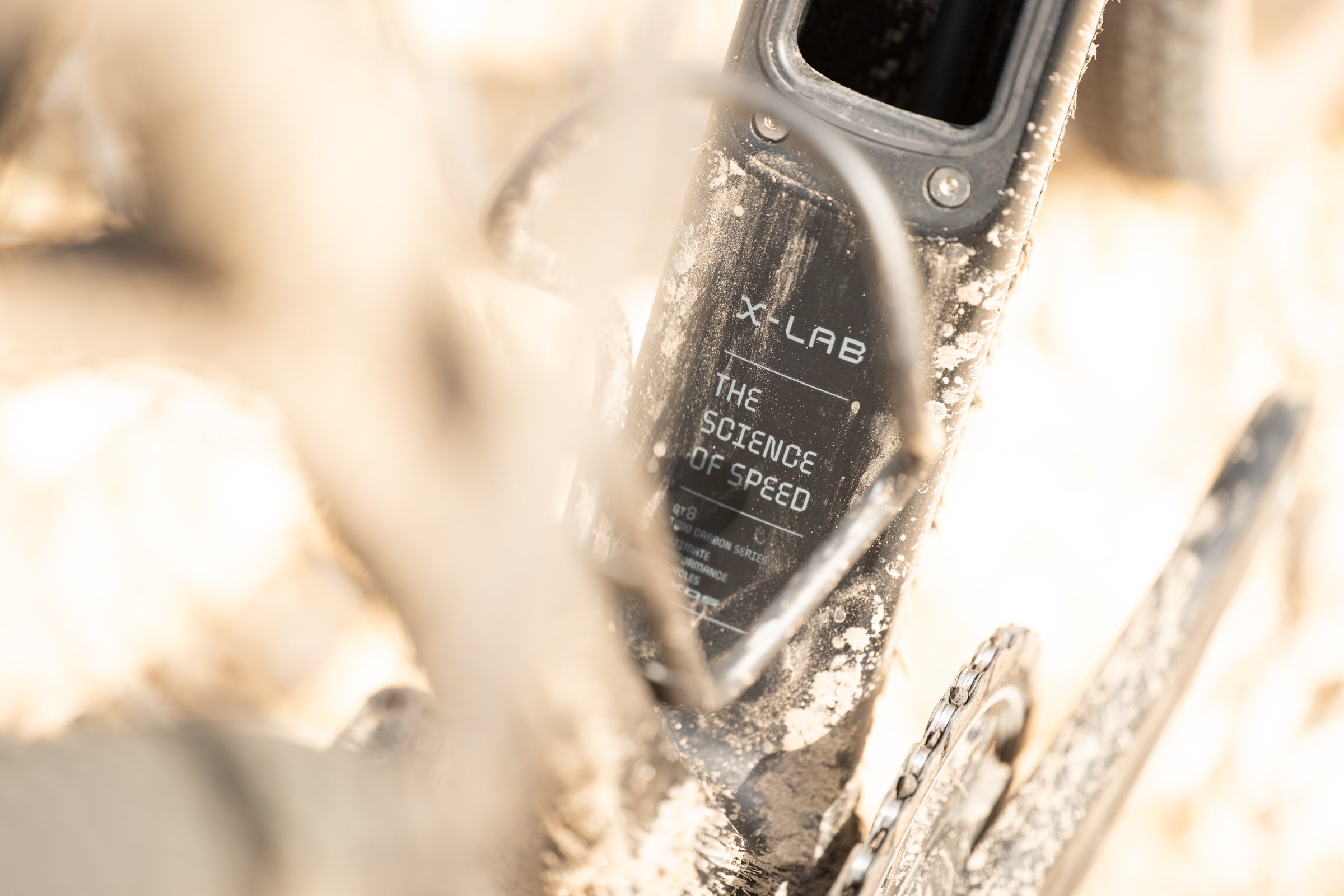
You might not have heard of XDS, but the brand is one of the largest bicycle manufacturers in the world. Most people have instead heard of X-Lab, which is a sub-brand covering performance bikes and functionally similar to S-Works. XDS-Astana might also ring a bell.
Today, that obscurity changes. XDS used to be a Chinese-market brand that was tough to get in the rest of the world. Going forward, you’ll be able to walk into a local dealer in the US and walk out with an XDS X-Lab bike.
Among the options available will be the XDS X-Lab GT8 gravel bike. Not only will you be able to buy it in the US, but it’s the first bike that XDS is designing with an American-market-first mindset. It’s also not just the frame. XDS is bringing a complete ecosystem to market with nearly everything on the bike, groupset aside, designed in-house.
As expected, the price is nearly too good to believe, but how does it ride? I spent time with the GT8 to find out, and here’s what I found.
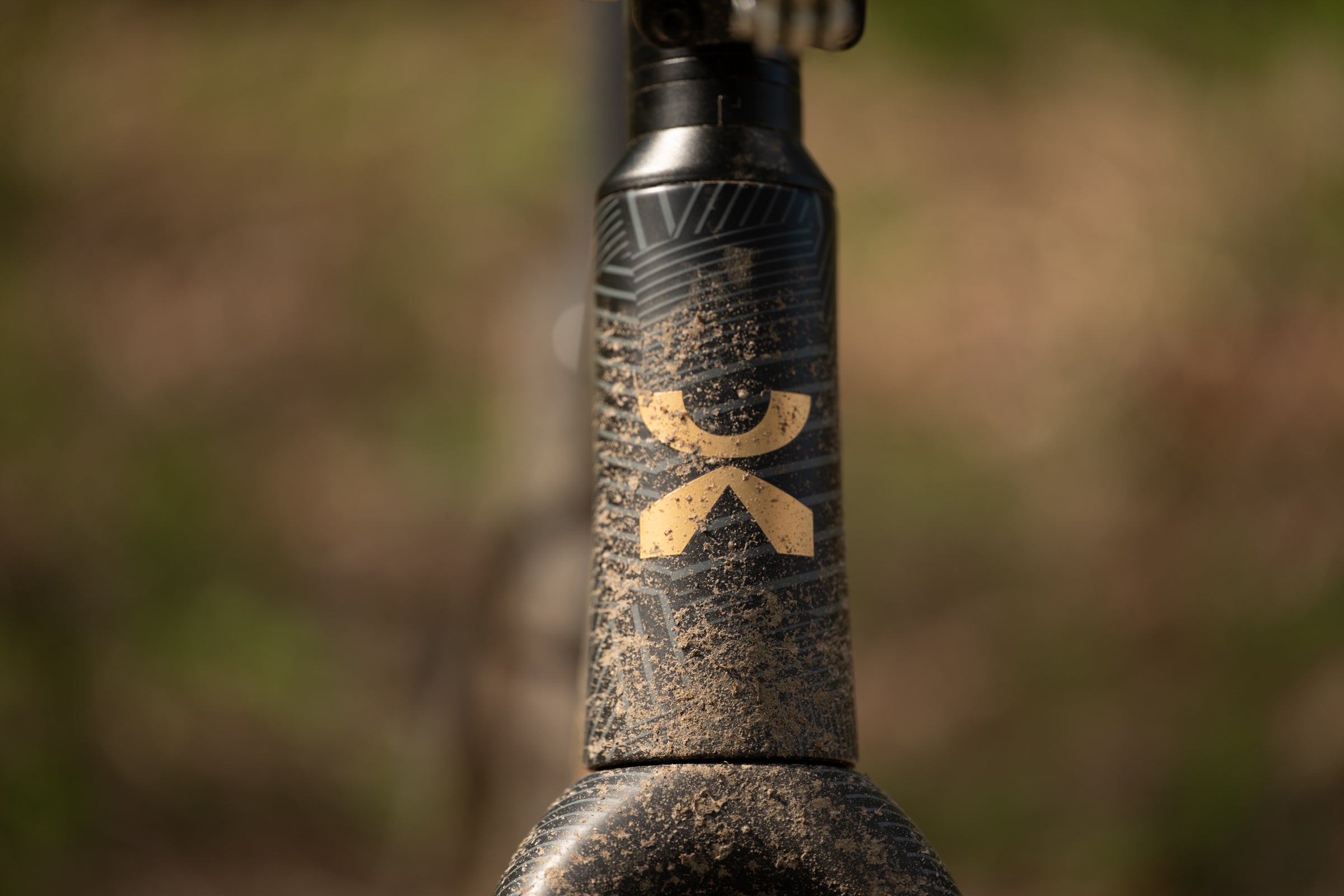
Quick hits: 8 standout details about the X-Lab GT8
- Measured ready to ride minus pedals at 8.8 kg / 19.4 lb (as tested)
- Sold as a complete bike with a single build option and two colorways
- Carbon seatpost, stem, handlebar, frame, and wheels
- 55mm max tire clearance
- Frame is roughly 1150 grams for a medium size with a 700g fork.
- Size medium comes with a 390/450 handlebar
- Routing is internal but there is a port in the headtube for external routing
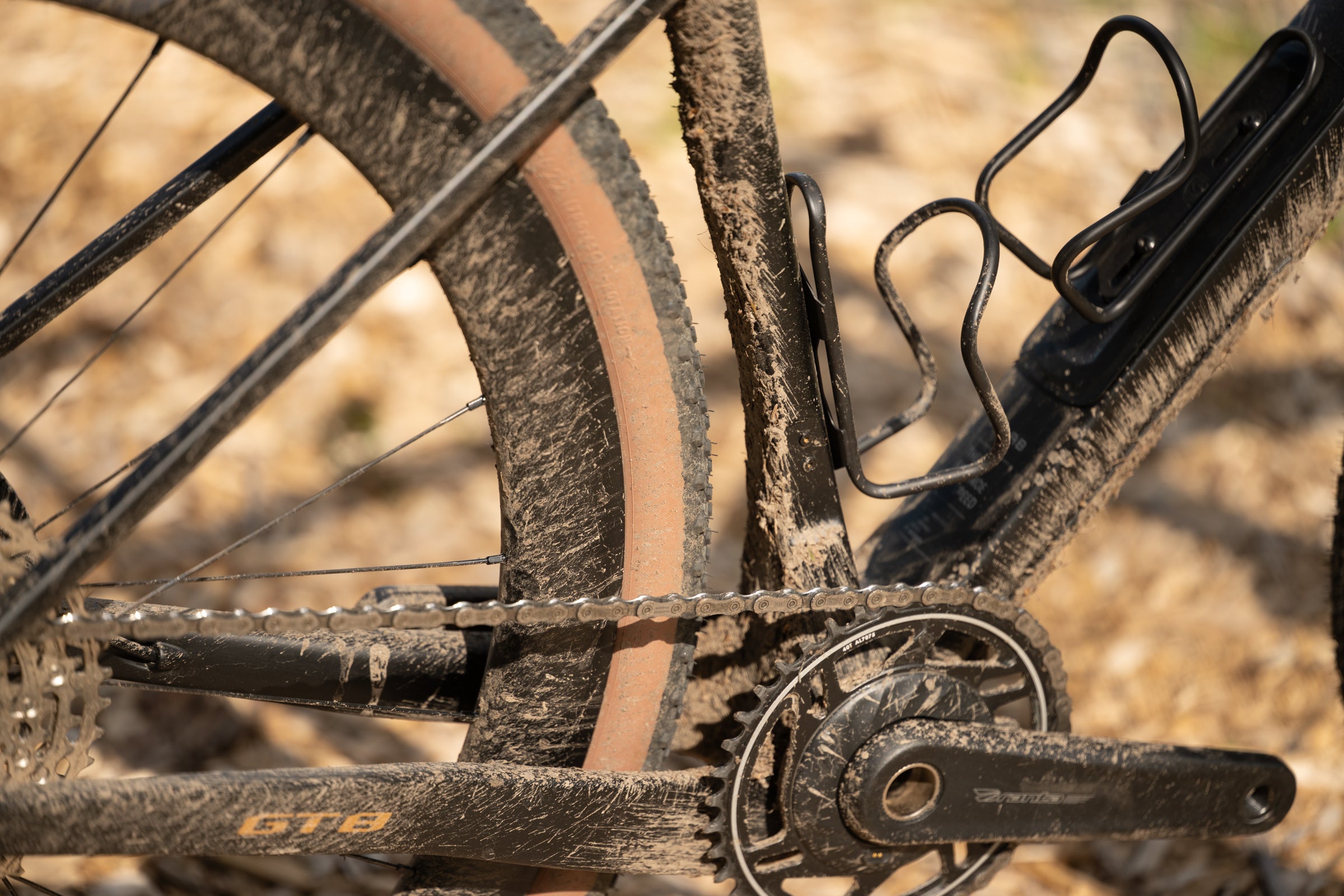
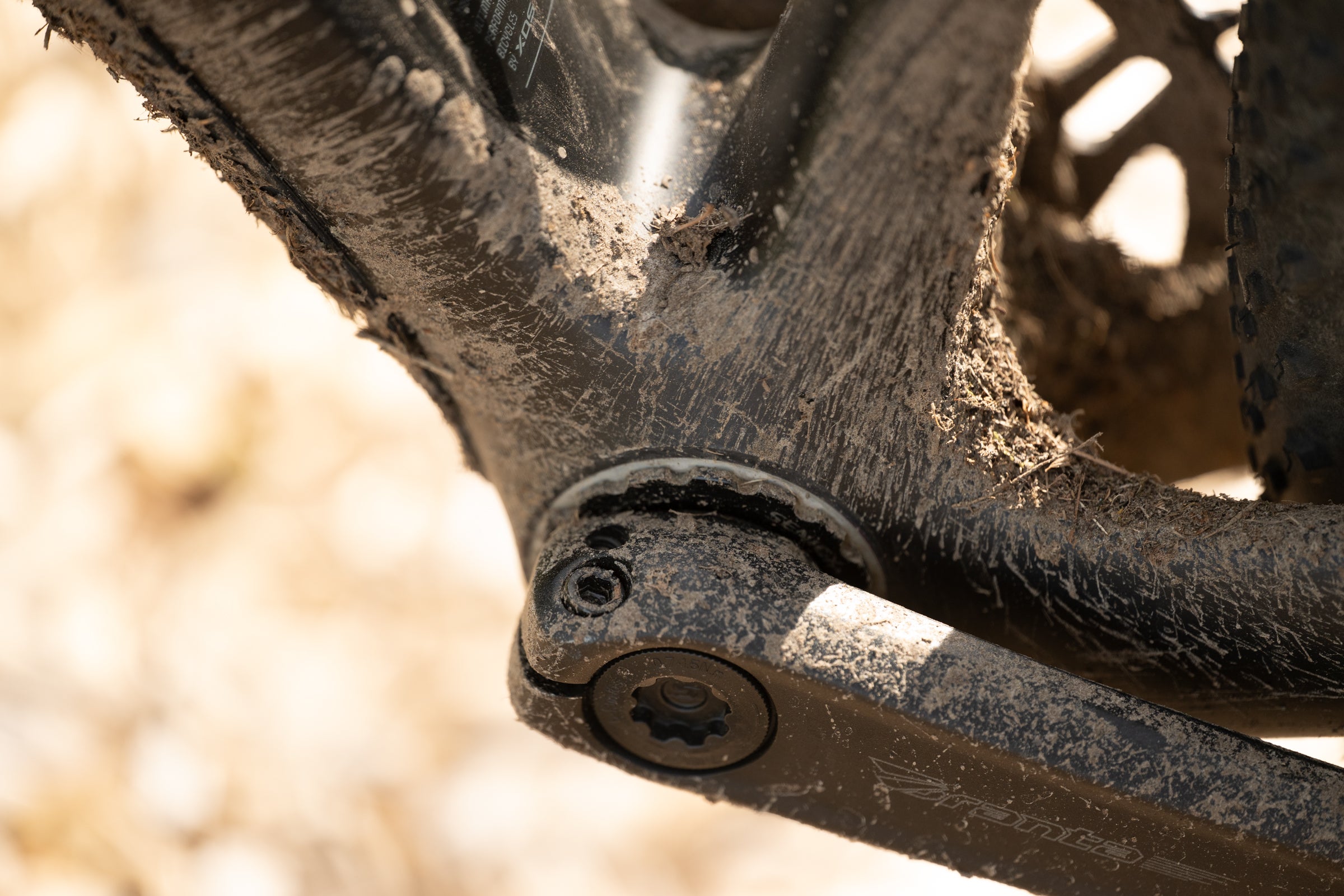
- Includes a Branta branded crank with power meter and Apple Find My technology
- For more information visit the X-Lab website
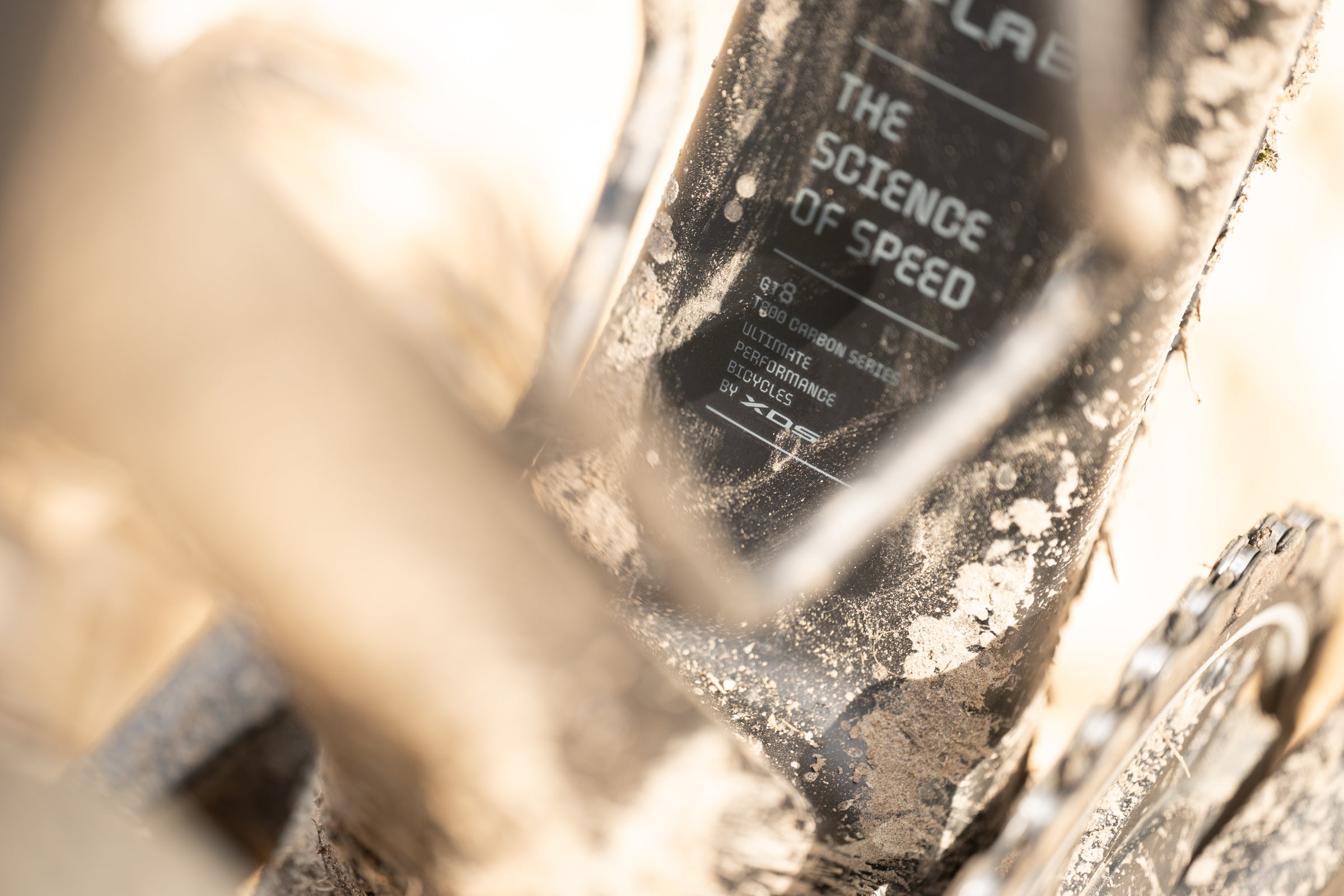
XDS X-Lab GT8 frame details
This is the second time I’ve reviewed an XDS bike (check out the XDS RT9 review), and it’s a very different experience from dealing with most brands. Typically, when a major brand launches a gravel bike, it starts with a tech briefing. You get a press release and a brand book filled with pretty pictures explaining the conceptual place the bike fills in the market. Brands tell you about high-tech suspension and the testing done to prove it’s faster than a rigid frame, or you might talk with a team who goes deep into the aero optimization built around one specific tire size.
With XDS, you don’t get any of that. The pitch is basically: Here is the bike. I even had to ask for the price. There are no claimed component weights (I had to ask), no engineering whitepapers, and no marketing narrative. And honestly, that is the story.
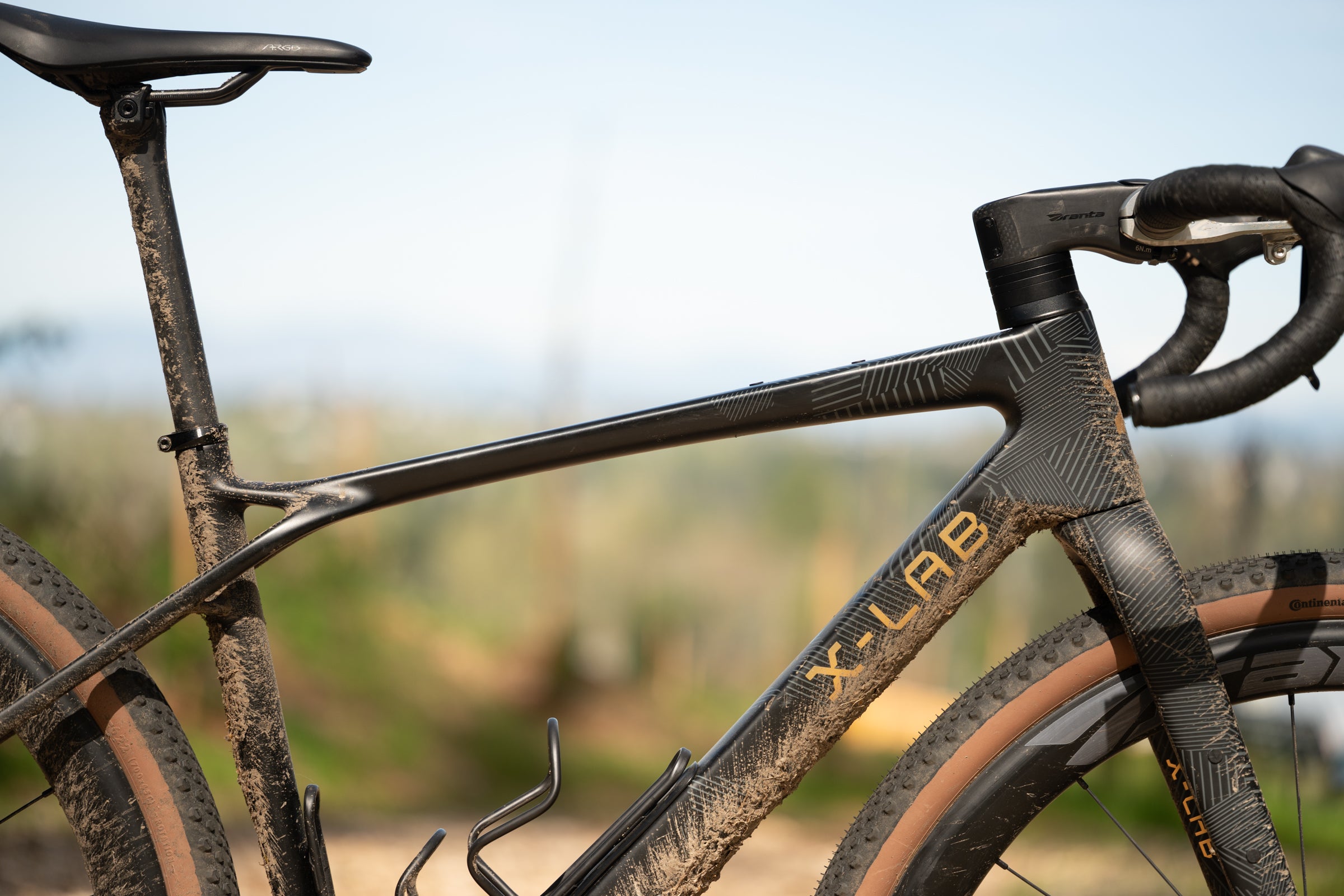
Because XDS isn’t trying to sell you a lifestyle, the GT8 is free to be exactly what it is: a blank-slate tool that hits the absolute dead-center of the current gravel consensus. XDS told me, based on my focus on the carbon in the RT9 review, that it’s built with T800 but that’s expected for a gravel bike. The 1,150-gram frame weight? Also exactly what is expected, landing right alongside the Trek Checkpoint SL, Cervélo Áspero, and Giant Revolt Advanced.
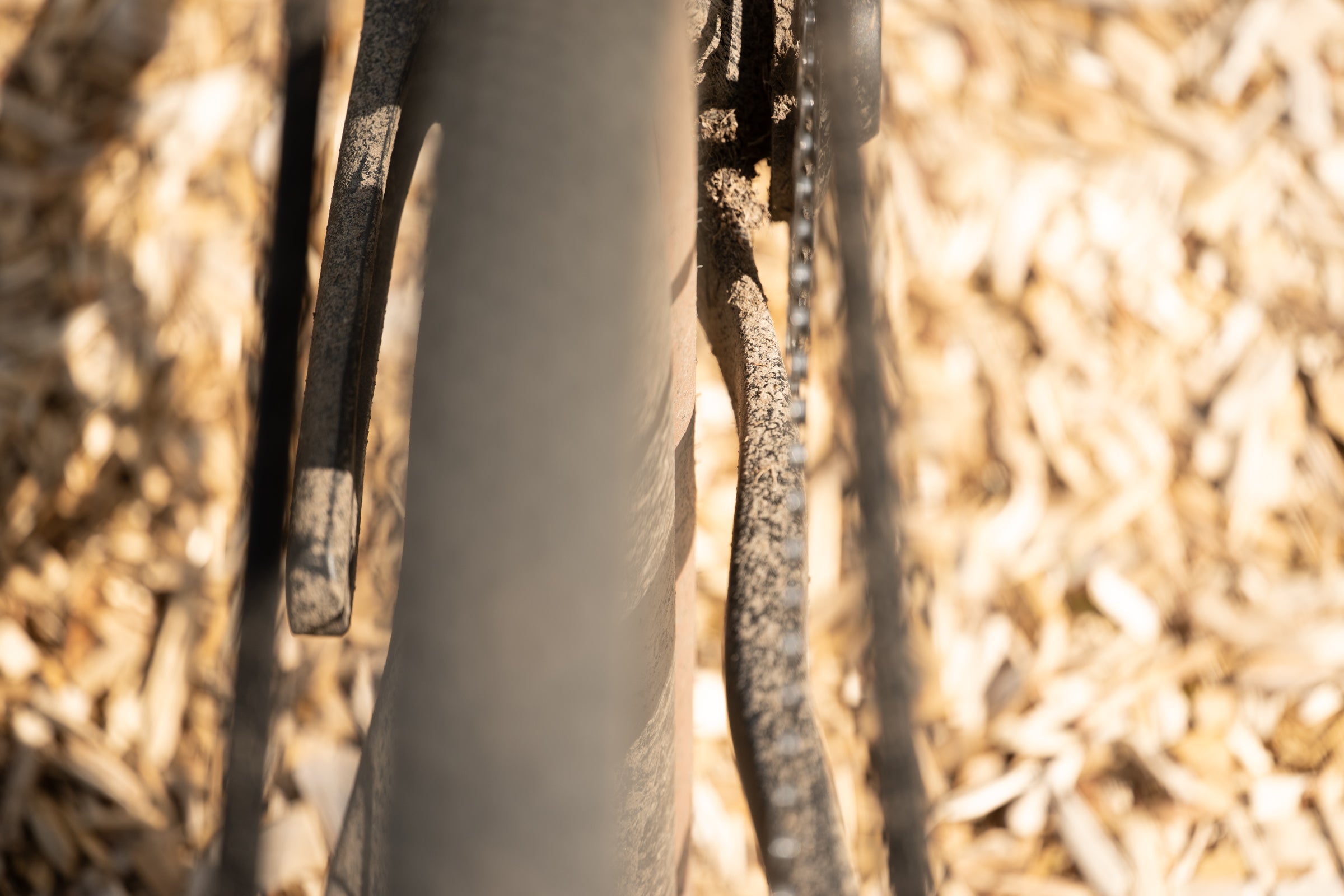
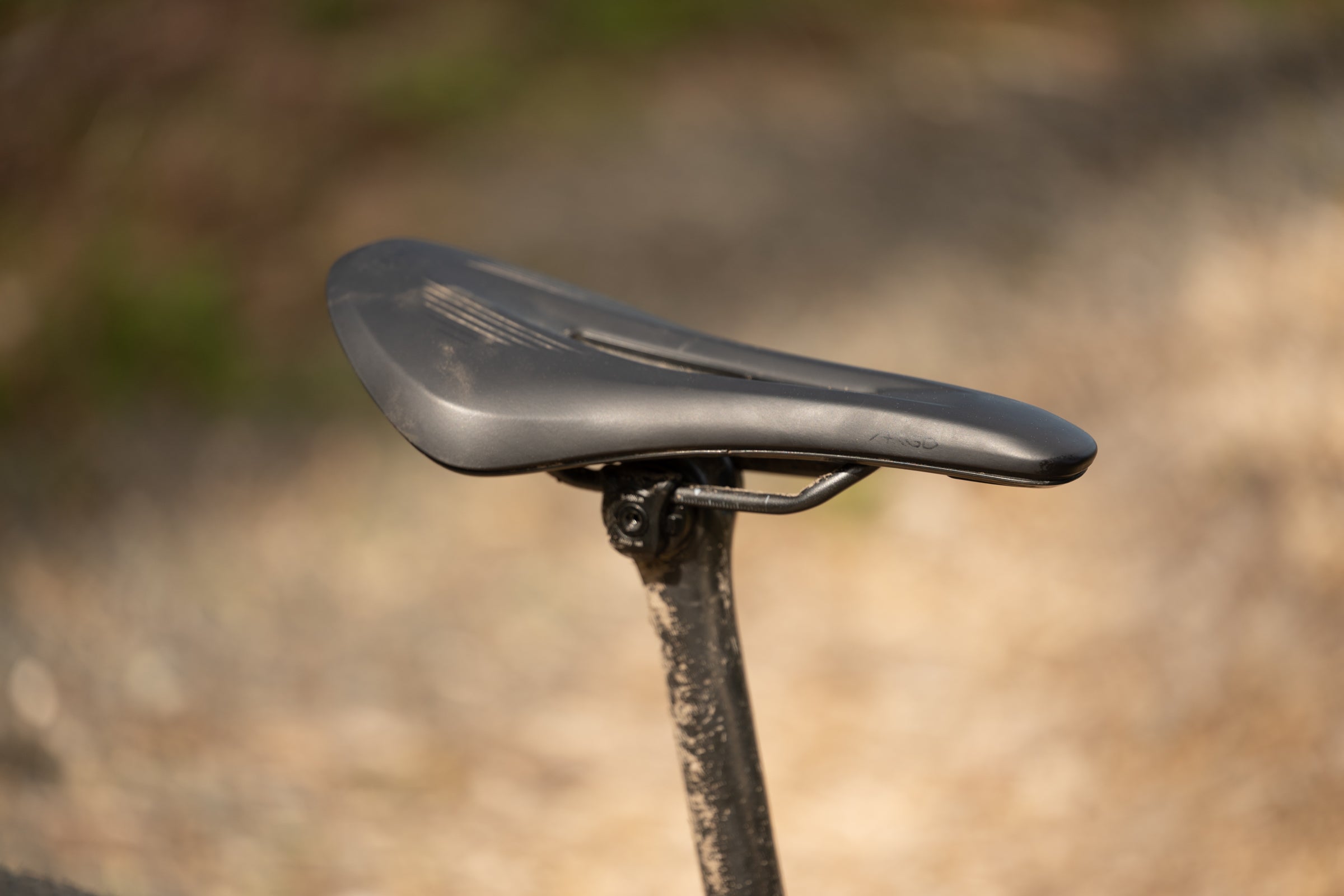
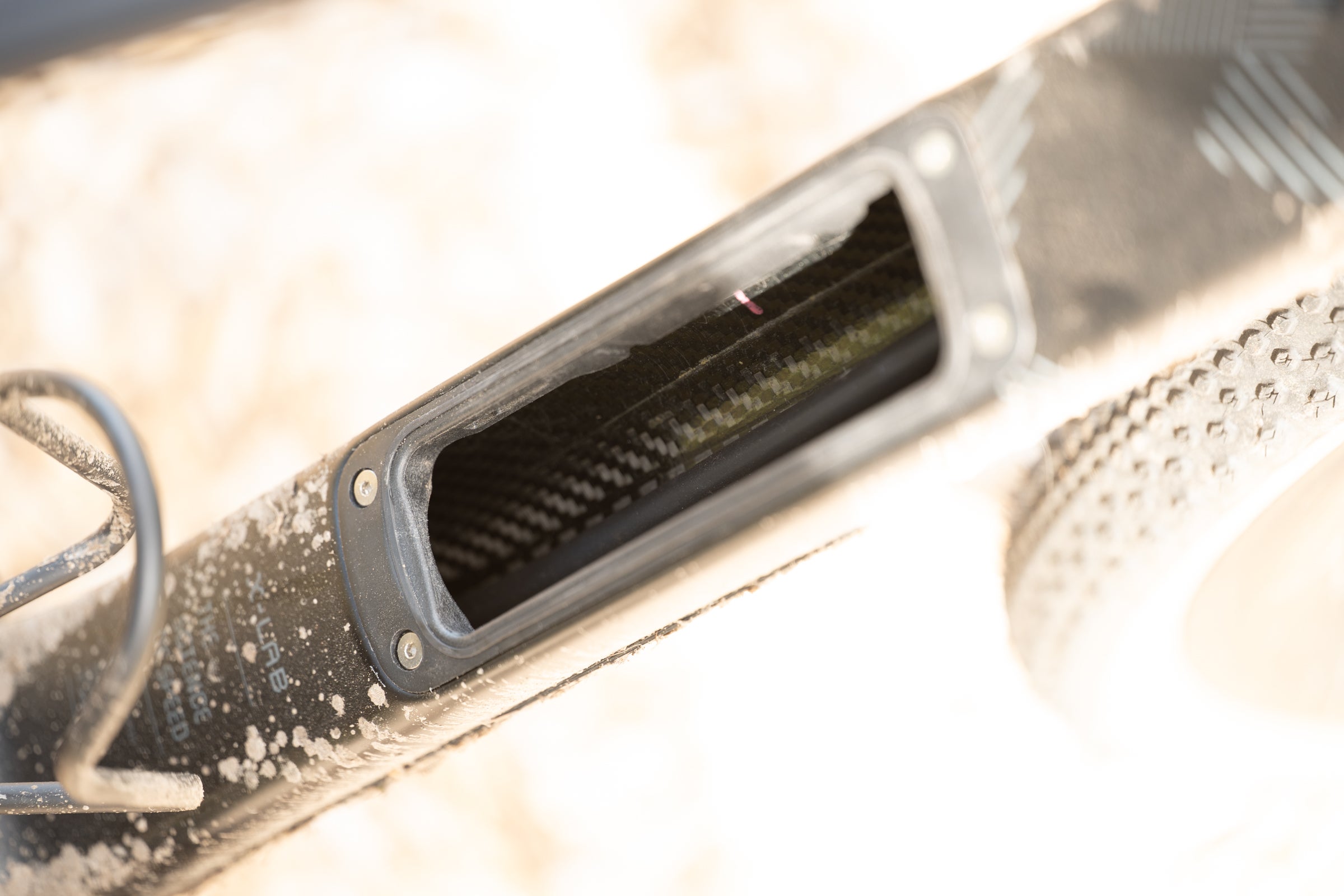
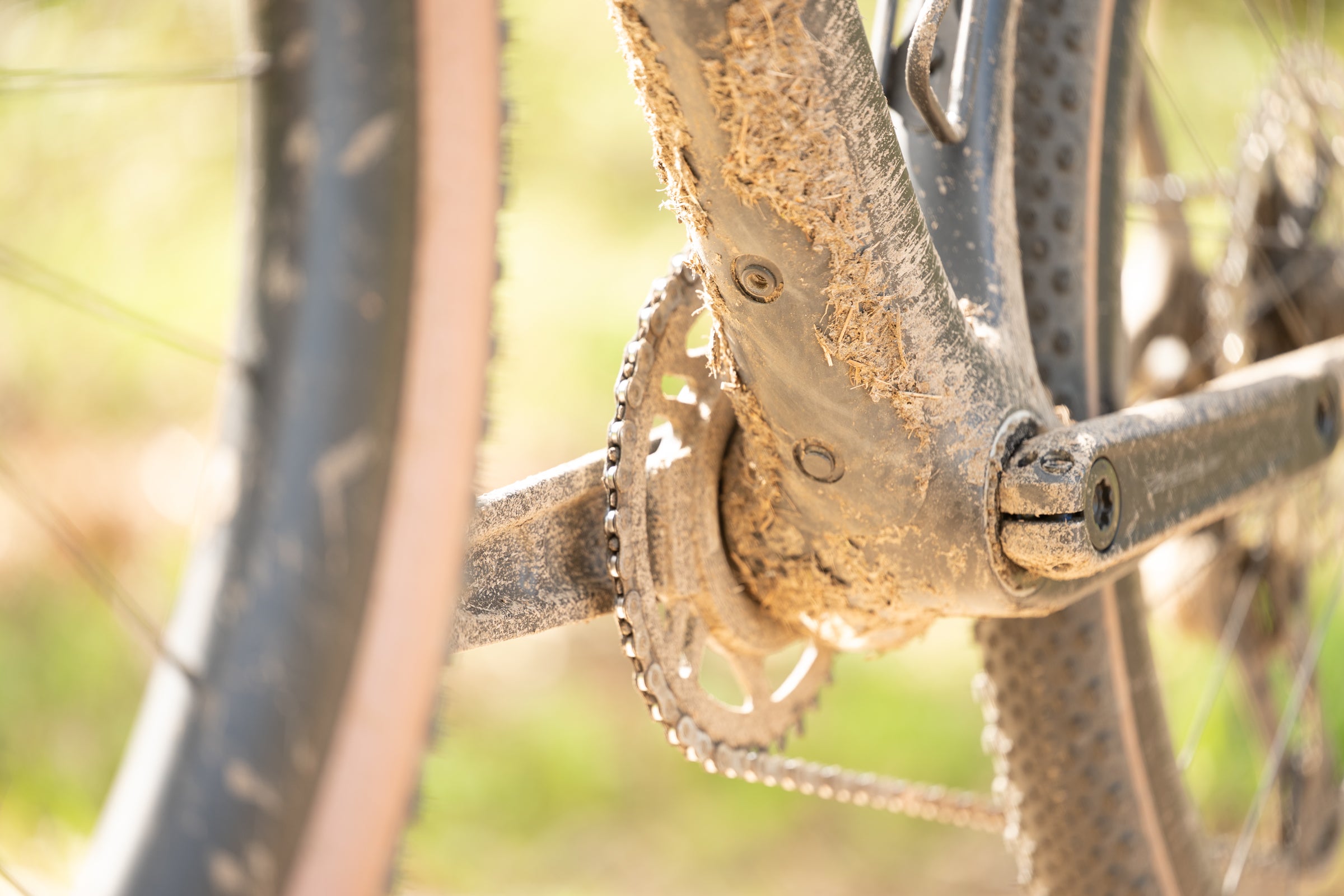
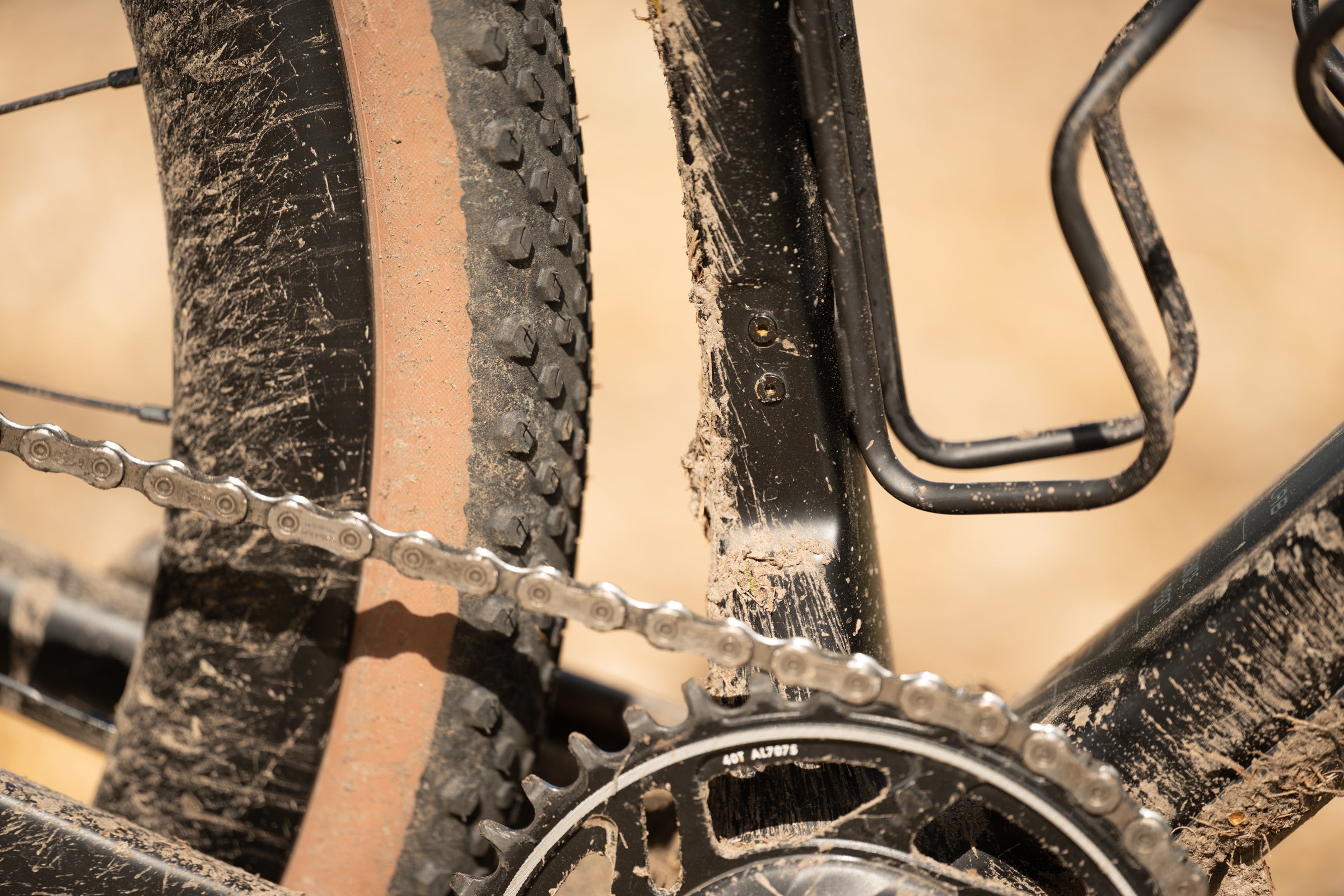
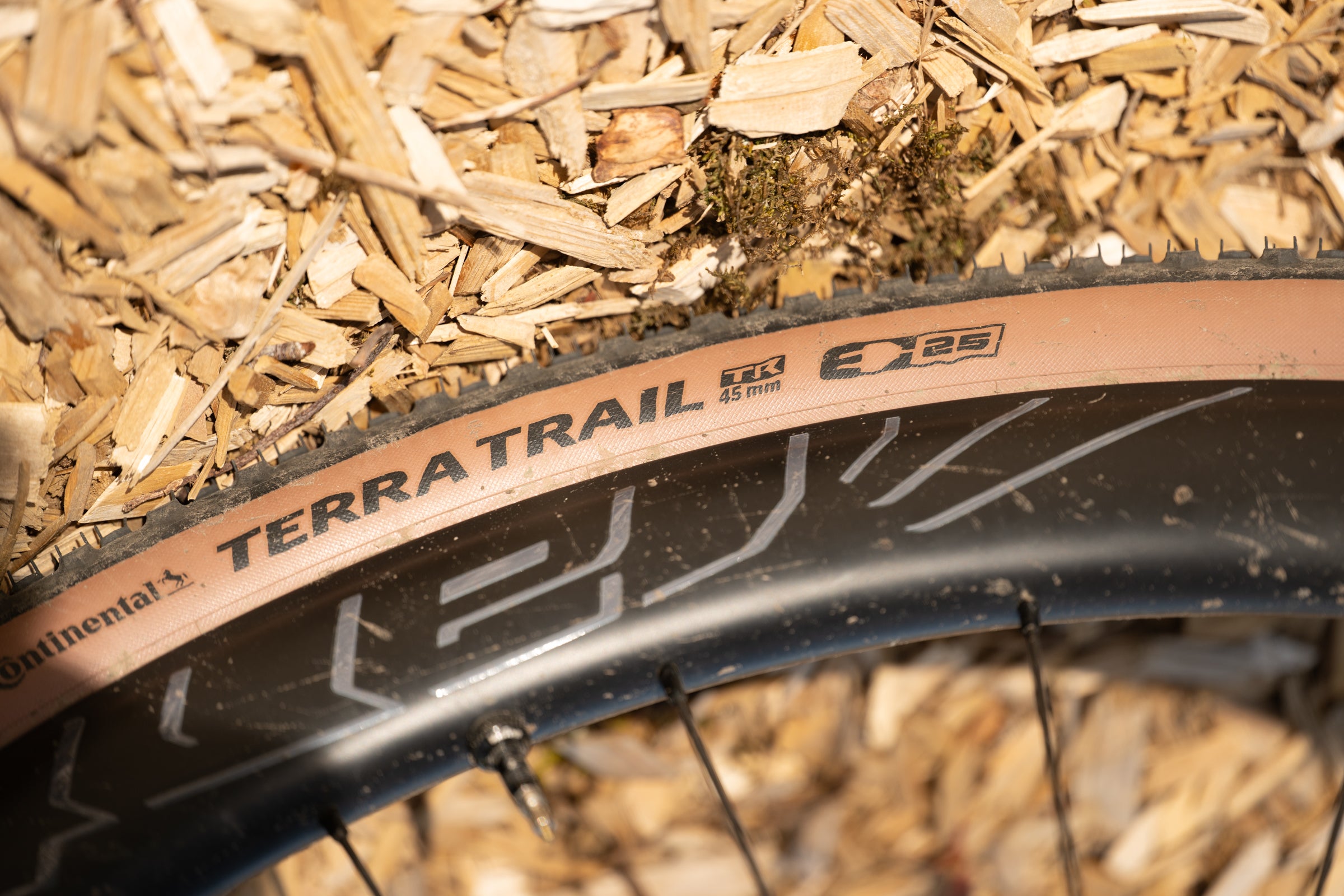
Even the 55mm of tire clearance, which might have been noteworthy a few years ago, falls perfectly in line with 2026 standards. Certainly not every frame has it these days but it’s also not unexpected. The same goes for the UDH compatibility and the T47 bottom bracket. It checks every utilitarian box: in-frame storage, a standard round seatpost, a top tube mount, three fork mounts, and three bottle mounts (including one sitting on top of the down tube’s plastic protection).
The geometry follows the exact same playbook. It is perfectly middle-of-the-road. It doesn’t push into mountain-bike-inspired progressive geometry with a long front center. Instead, it relies on a traditional 71-degree head tube, a conservative reach, and standard 435mm chainstays (size medium) to provide a stable, predictable platform. The bike feels intentionally designed not to offend, built to appeal to the widest possible range of riders.
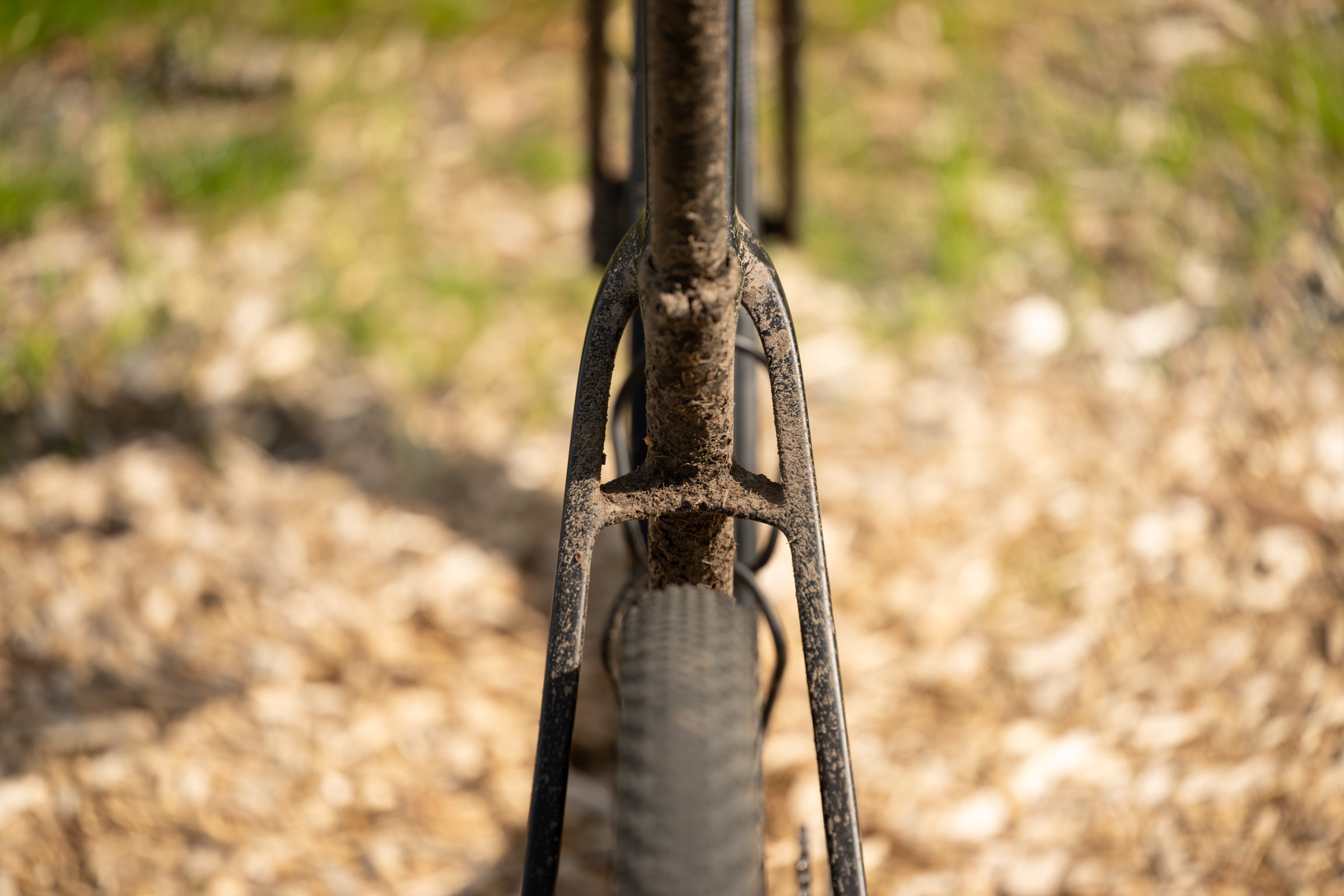
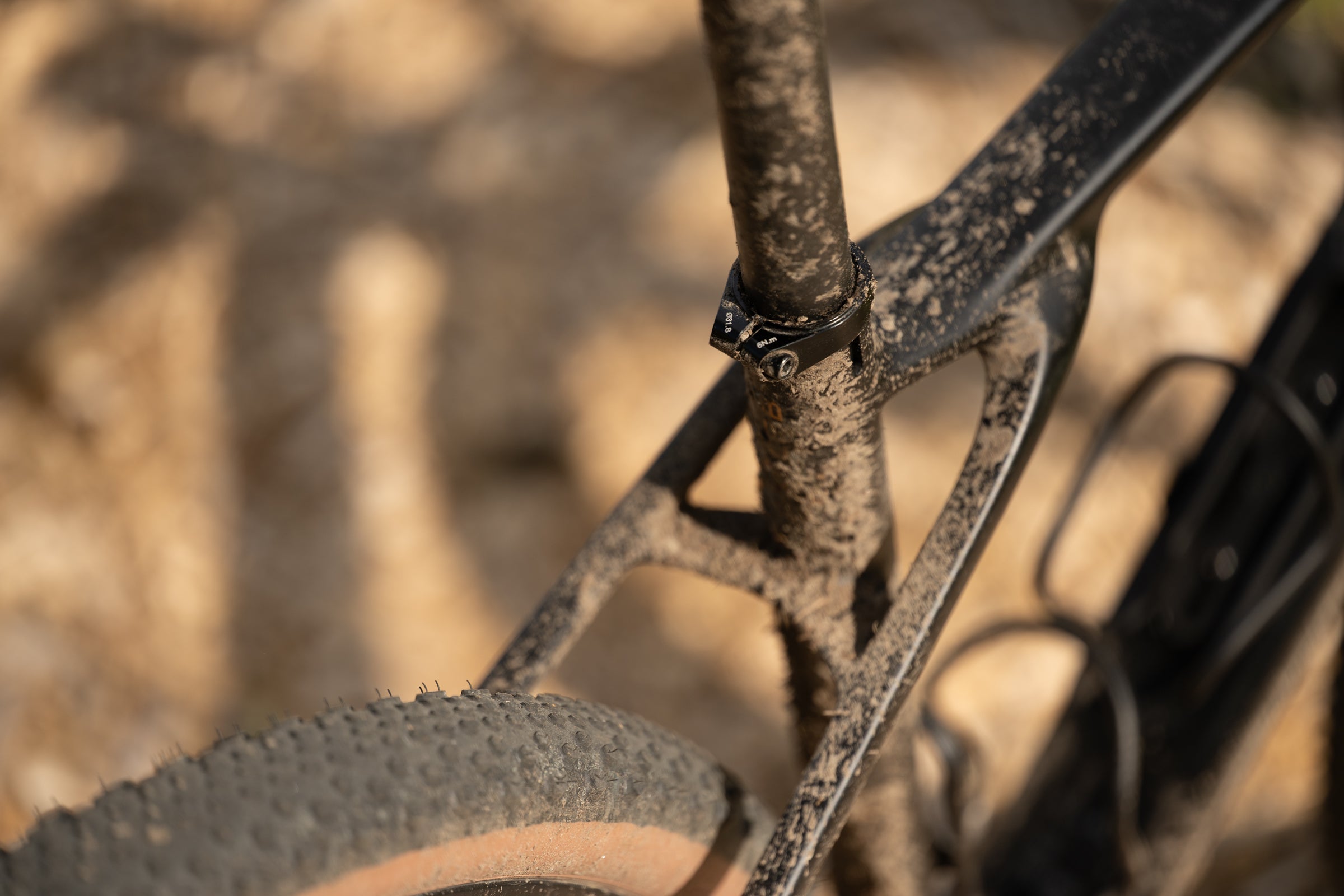
The only visual outlier is the seat tube junction. While the dropped stays look like they were engineered specifically for compliance, I’m told the design is largely aesthetic—though the resulting drop of the top tube and the exposed seatpost naturally adds a bit of welcome flex.
This frame is utilitarian. Then you look at the spec sheet.
Build details
$3,199 is what probably stands out to you on this chart, but that’s not actually the headline here. Yes, the price is good, but Specialized has a Diverge in that price range and Trek has a Checkpoint. The real story is what you get for your money.
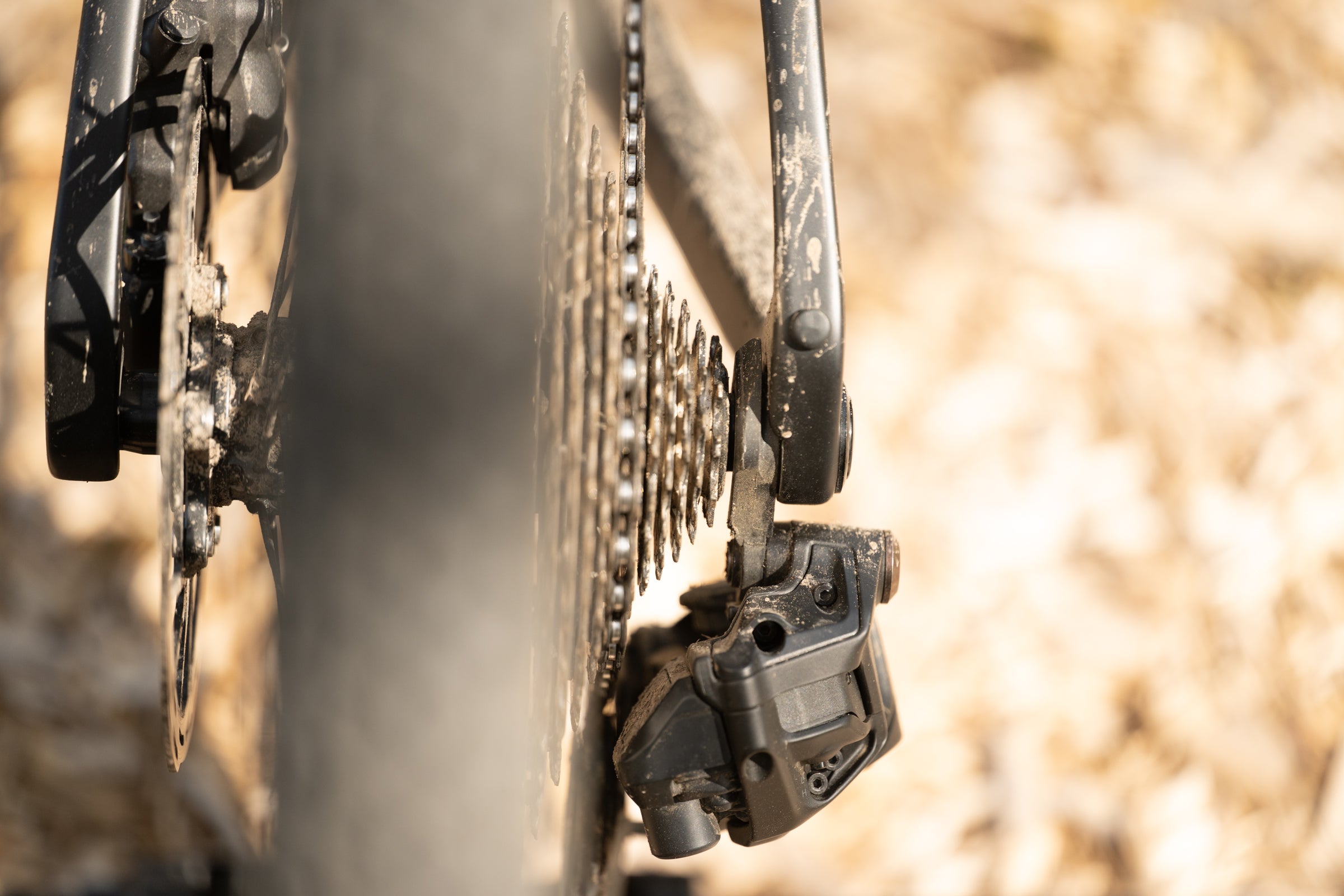
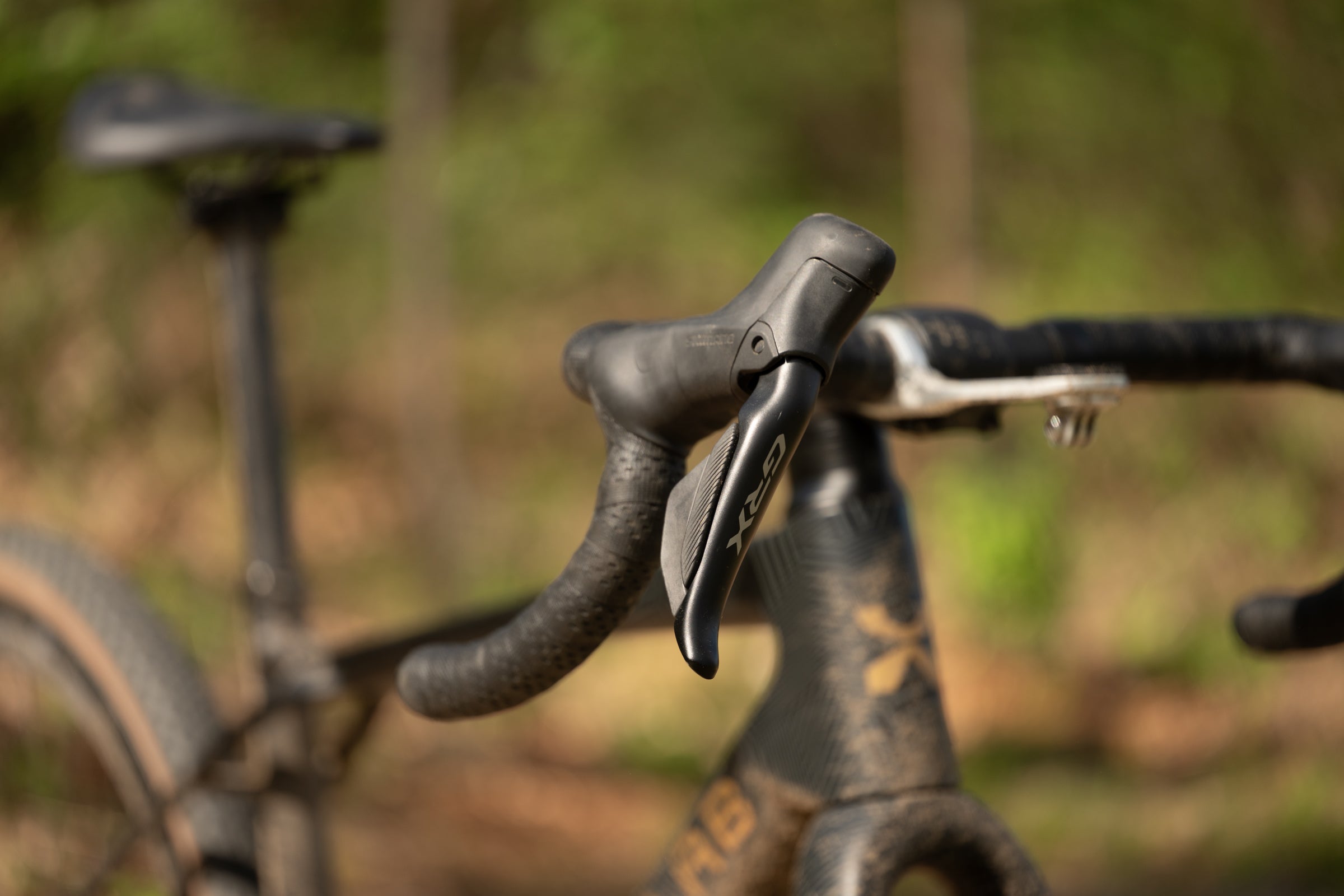
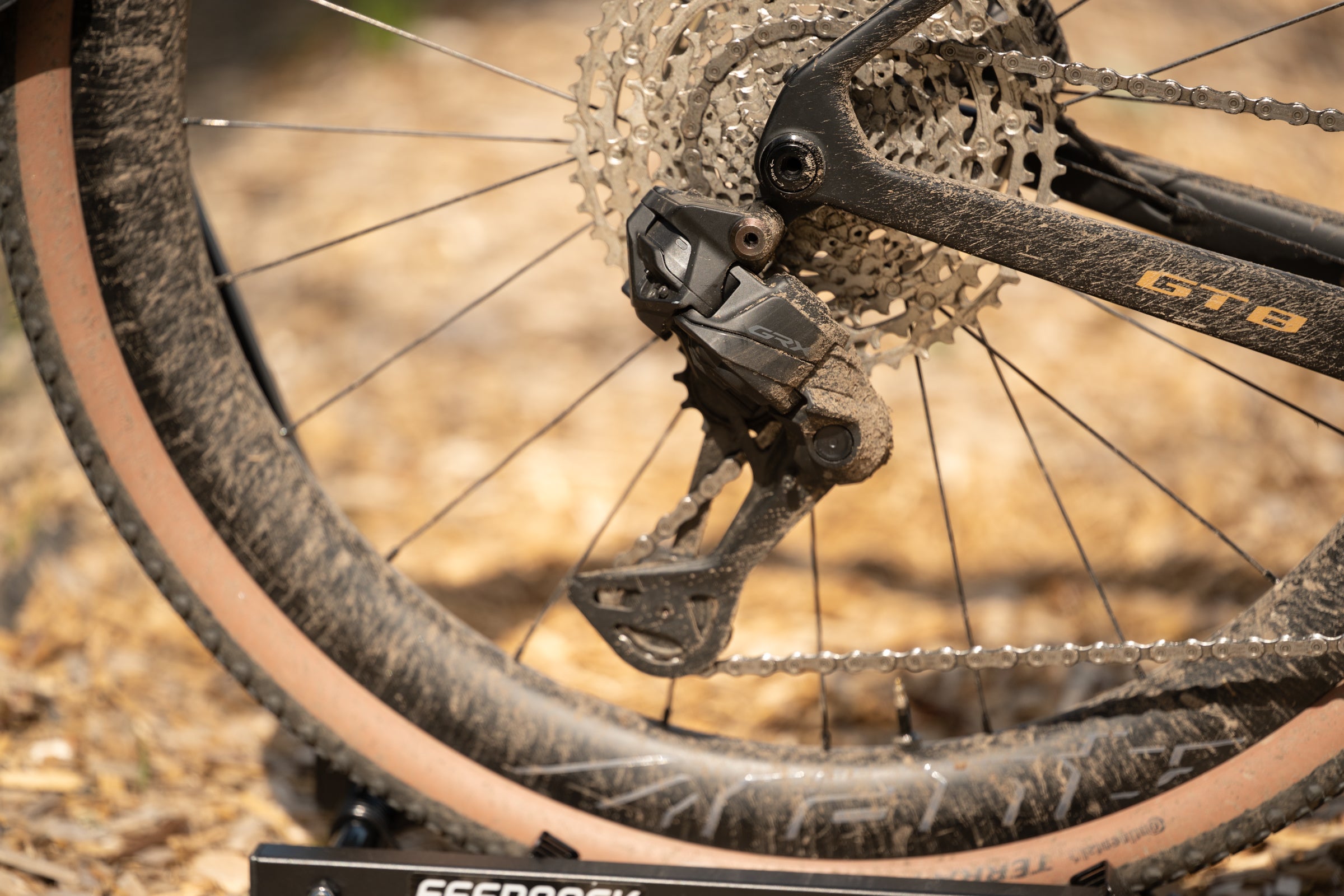
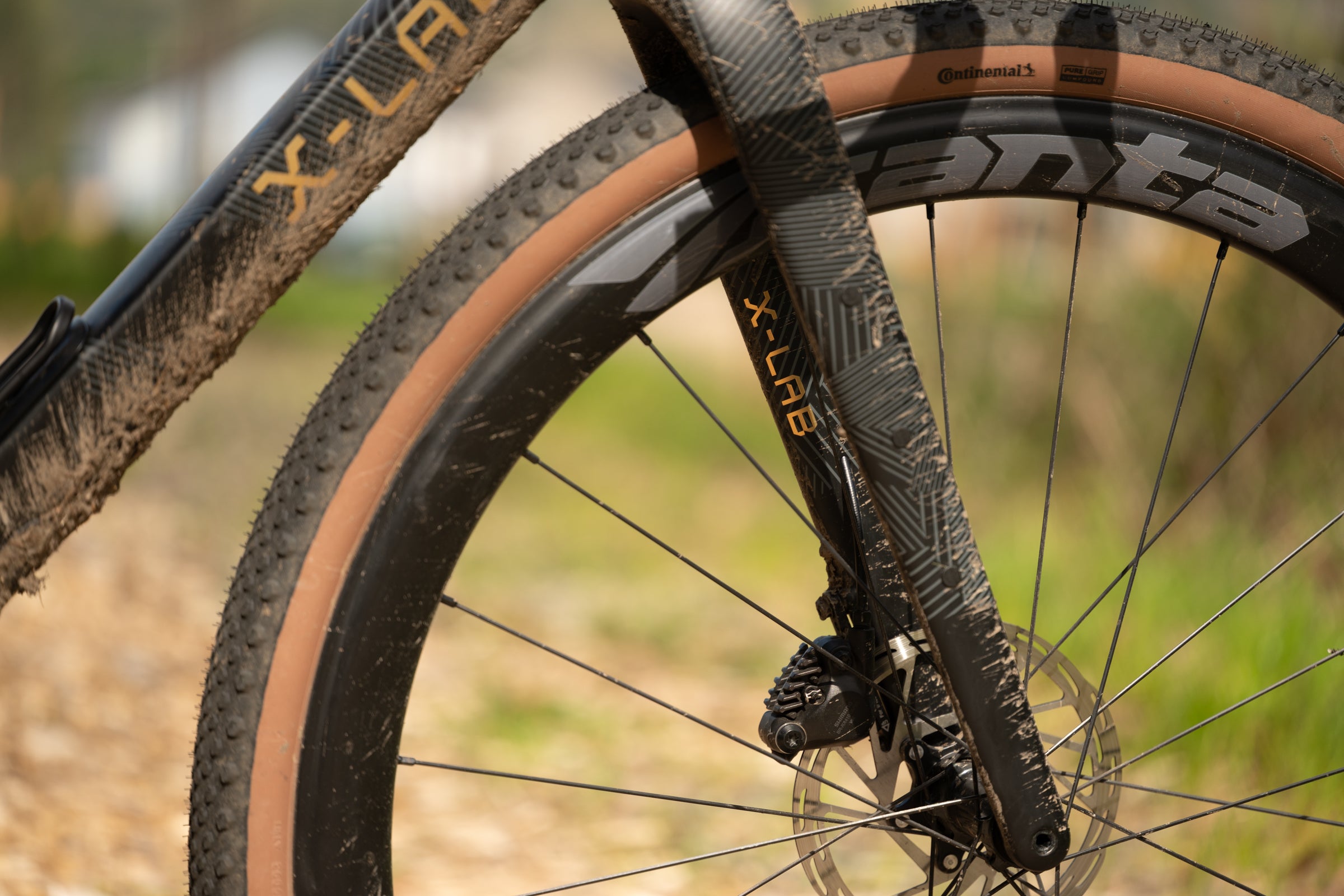
Some Western brands will offer a bike at that price, but it rarely includes electronic shifting at the level of GRX 715. It also likely doesn’t include a carbon seatpost or a carbon handlebar, and carbon wheels with an included power meter are unheard of in this price bracket.
Every product has an angle, and for the X-Lab GT8, it is pure value. There’s no need to go deep into the engineering on the frame because the spec sheet versus the price tag does all the talking necessary.
I hate to tell people to buy based solely on price, though. So, how does it ride?
XDS X-Lab GT8 geometry
XDS X-Lab GT8 ride experience
So far, I’ve made the case that there’s a certain appliance nature to this bike. It does the things it’s supposed to do and offers an aggressive spec sheet at a good price. In a way, that can sound slightly negative. Let me put a stop to that thinking right now.
When you actually ride the GT8, that “doing what it is supposed to do” nature is a feature rather than a bug. The middle-of-the-road geometry is fast when you want it to be fast, and there’s a surprising amount of compliance for a frame with no dedicated suspension features. It is a testament to the effectiveness of a deeply dropped top tube and a standard round seatpost. The carbon bars and carbon post only add to that muted ride feel. It all just kind of works.
At close to 20 lbs fully built, I’m not going to wax poetic about how well this bike climbs, but it’s perfectly capable. For a mid-range gravel bike, that weight is exactly where you’d expect it to be. The in-house Branta carbon wheels aren’t light at 1530 grams for a 25mm internal width rim, but a 45mm rim depth is absolutely going to enhance aero performance on the flats without making things overly complicated.
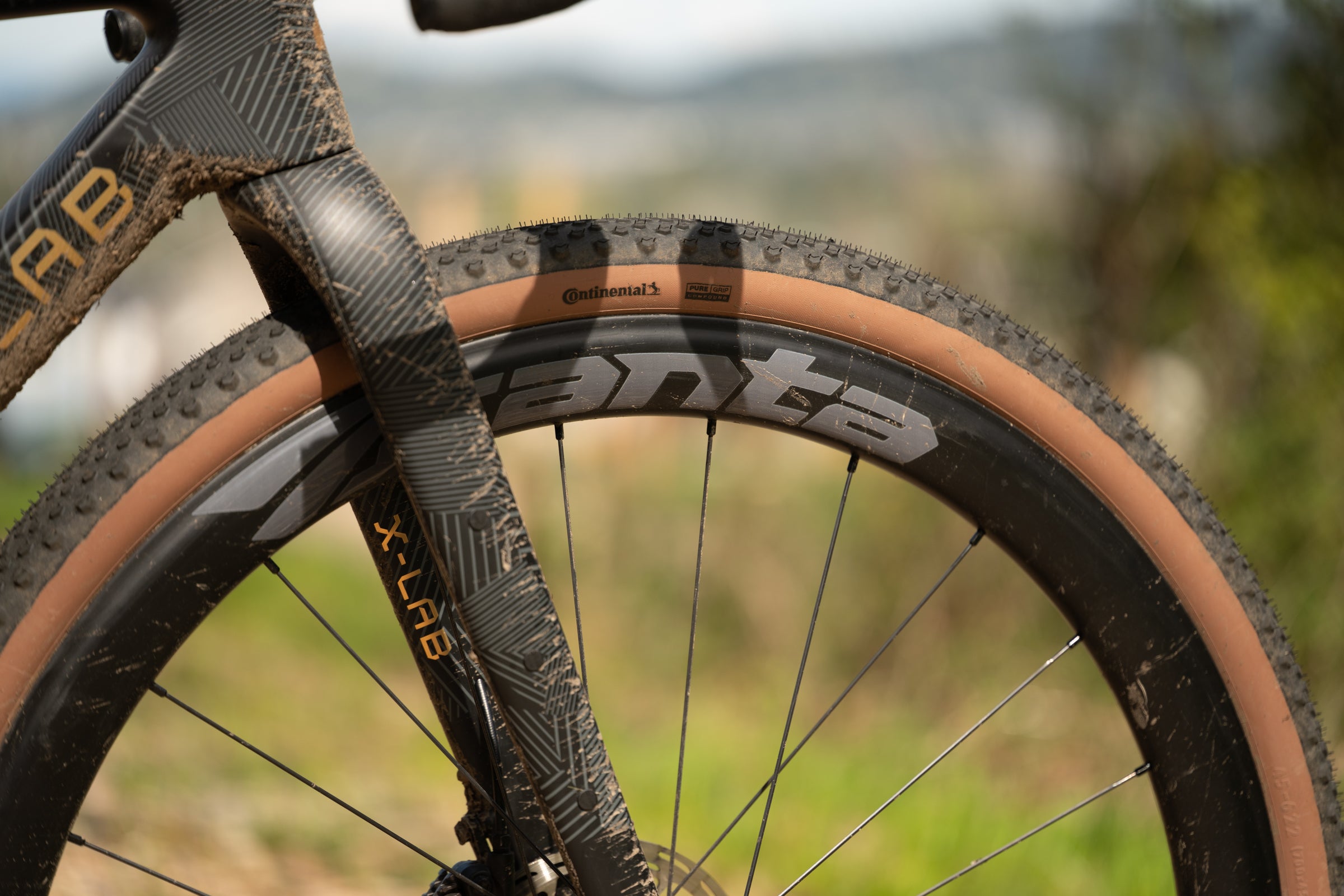
The one place this bike does struggle a bit is when handling the rough stuff. It leans much harder toward the race side of the spectrum than the adventure side. Yes, you get the advantages of big rubber—it comes with 45mm tires, which is what I tested—but there’s a distinct “on top of the bike” feel, likely driven by the conservative 70mm bottom bracket drop. Heading into loose, fast corners, it feels like you really need to wrangle the chassis to make it hook up. It’s not enough to be a dealbreaker, but it wouldn’t be my first choice for a steep, rocky descent at speed.
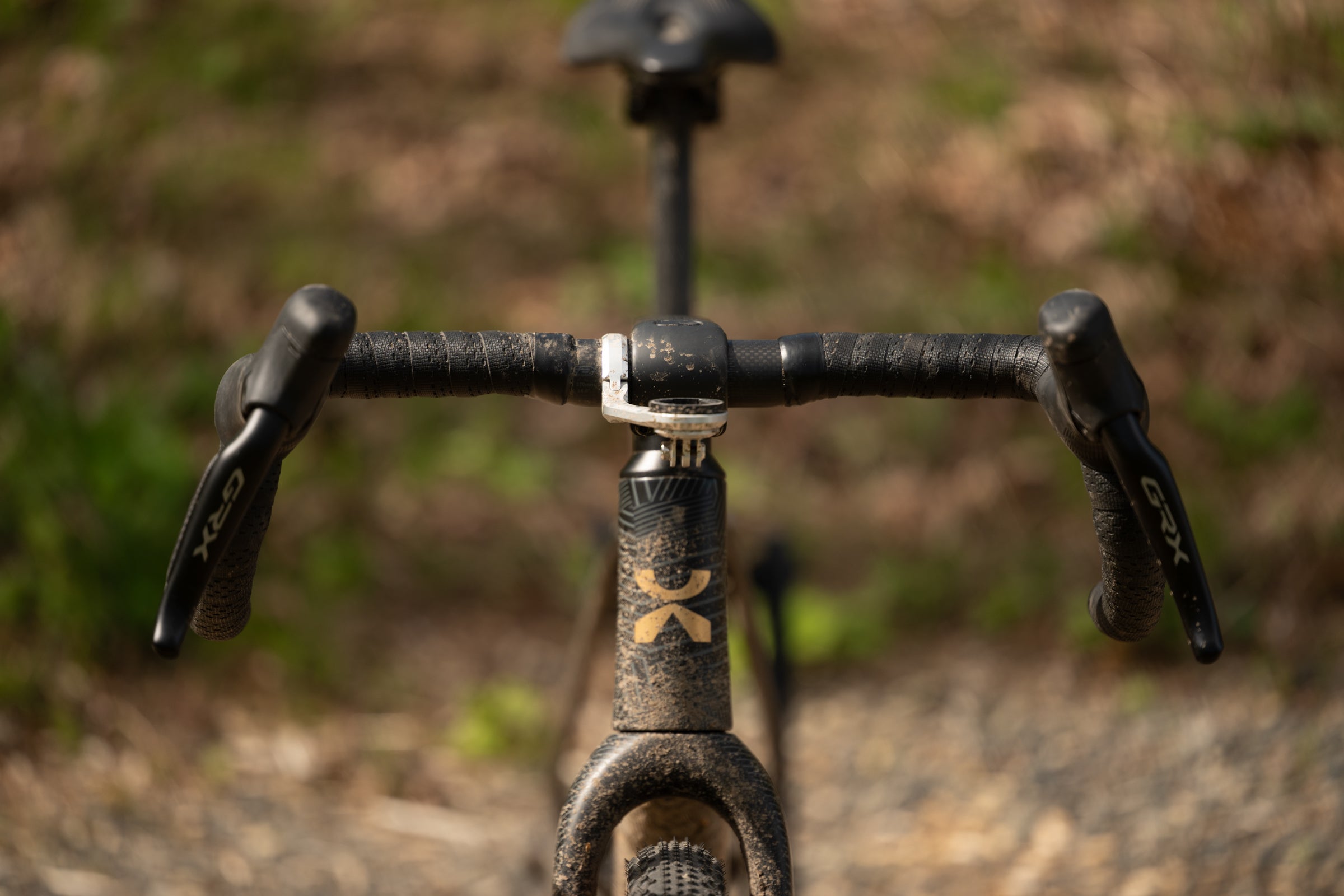
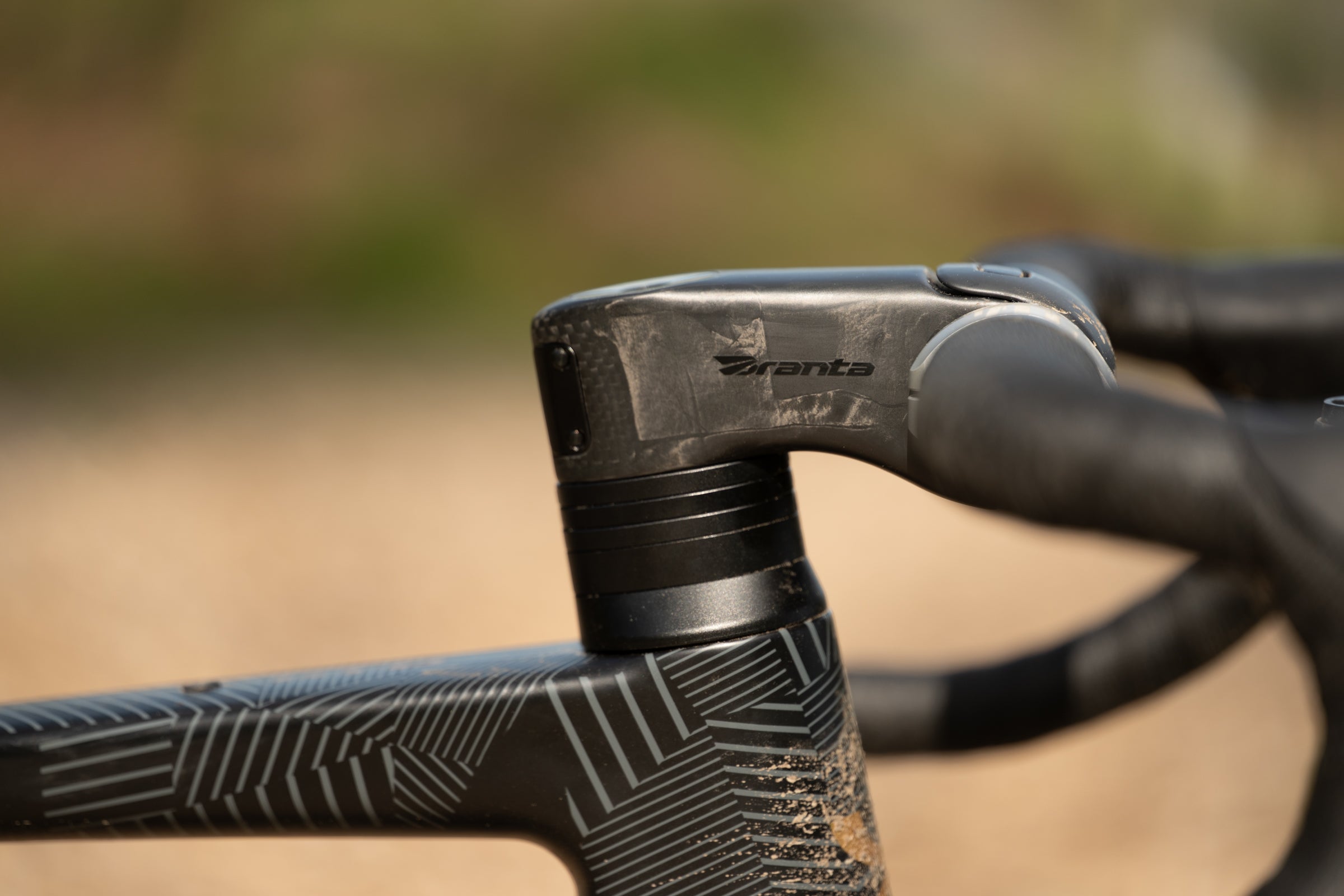
One serious bright spot that has to be mentioned, though: the handlebar sizing. For once, I didn’t have to request smaller bars or complain about the cockpit being mismatched to the frame size. A 39cm bar on a size medium is perfect for actual human proportions, a welcome departure from the fashion-focused “it’s gravel, so it must be ultra-wide” fit you’ll find on most modern builds.
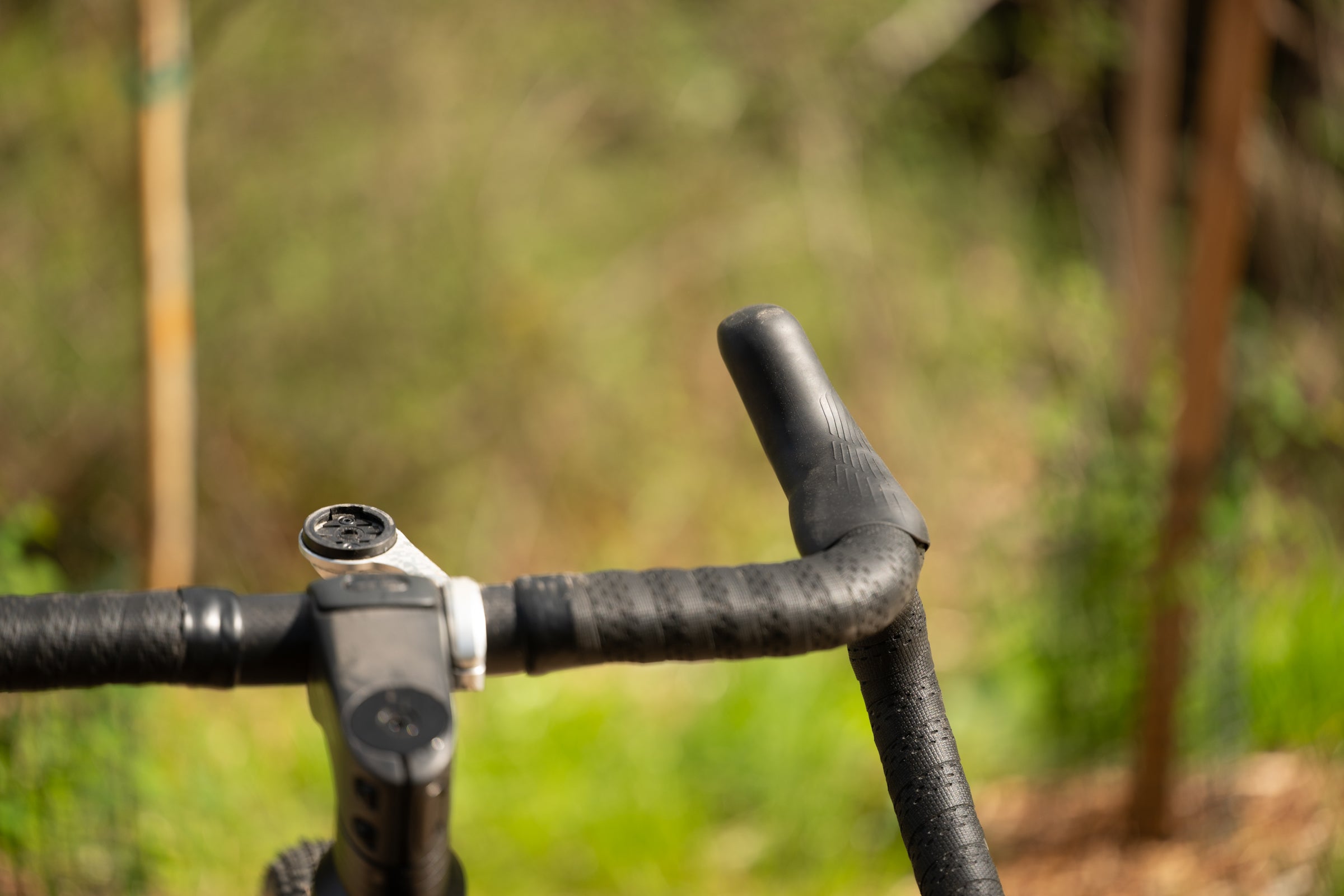
The benefit of that correct fit isn’t just that you don’t need to swap parts; it makes holding an aero position an actual joy. The hoods on the Shimano controls are fantastic to hold onto, and I found myself easily falling into a forearms-parallel-to-the-ground position for long stretches. Most riders never change their handlebars, so it’s critical that a brand gets it right out of the box, and XDS nailed it.
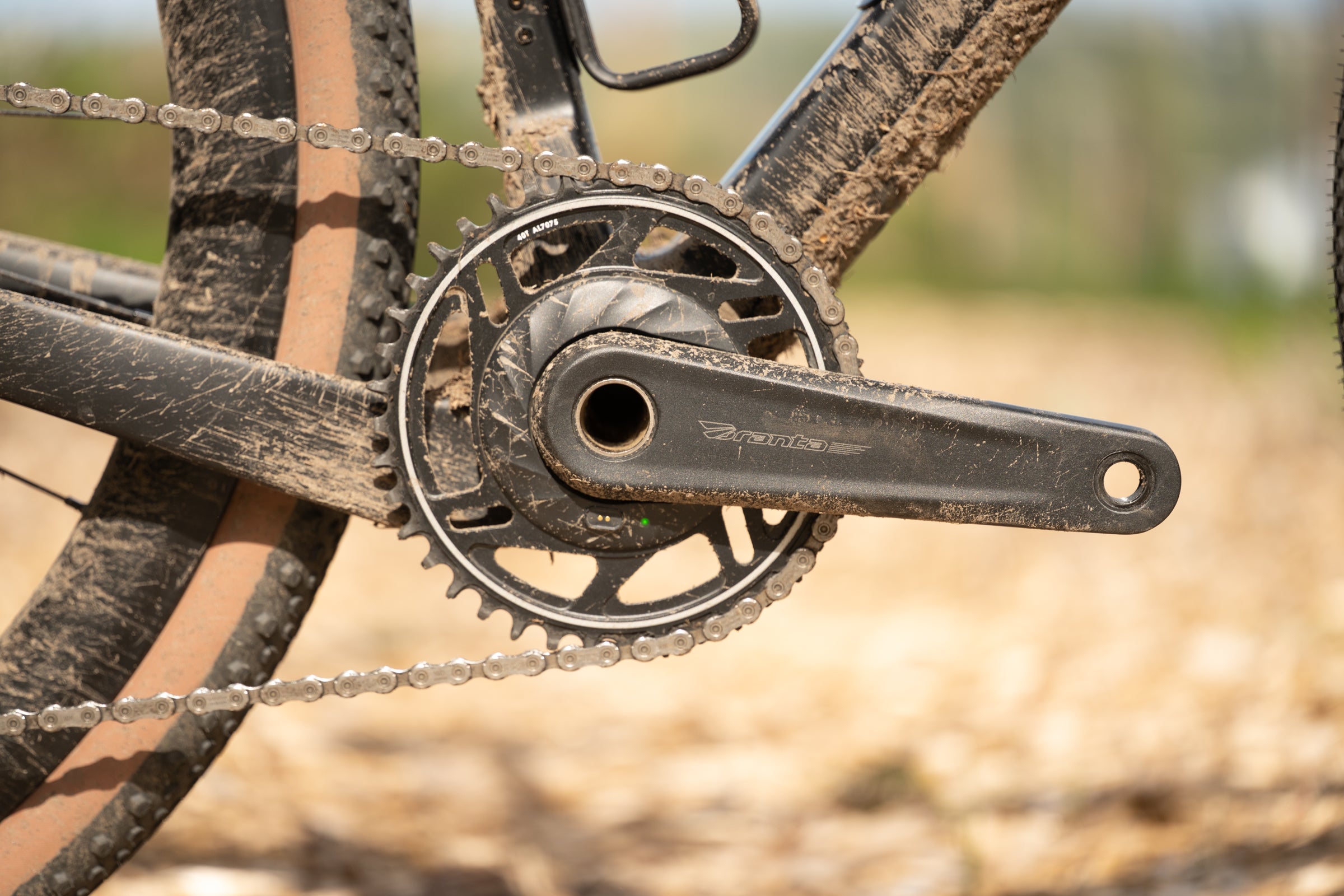
The Branta powermeter
I test every new power meter I try, which is especially important when dealing with an unestablished brand. I dual-recorded my initial rides, running one head unit connected to Garmin Rally pedals and another connected to the Branta crank-based power meter. The results aren’t perfect.
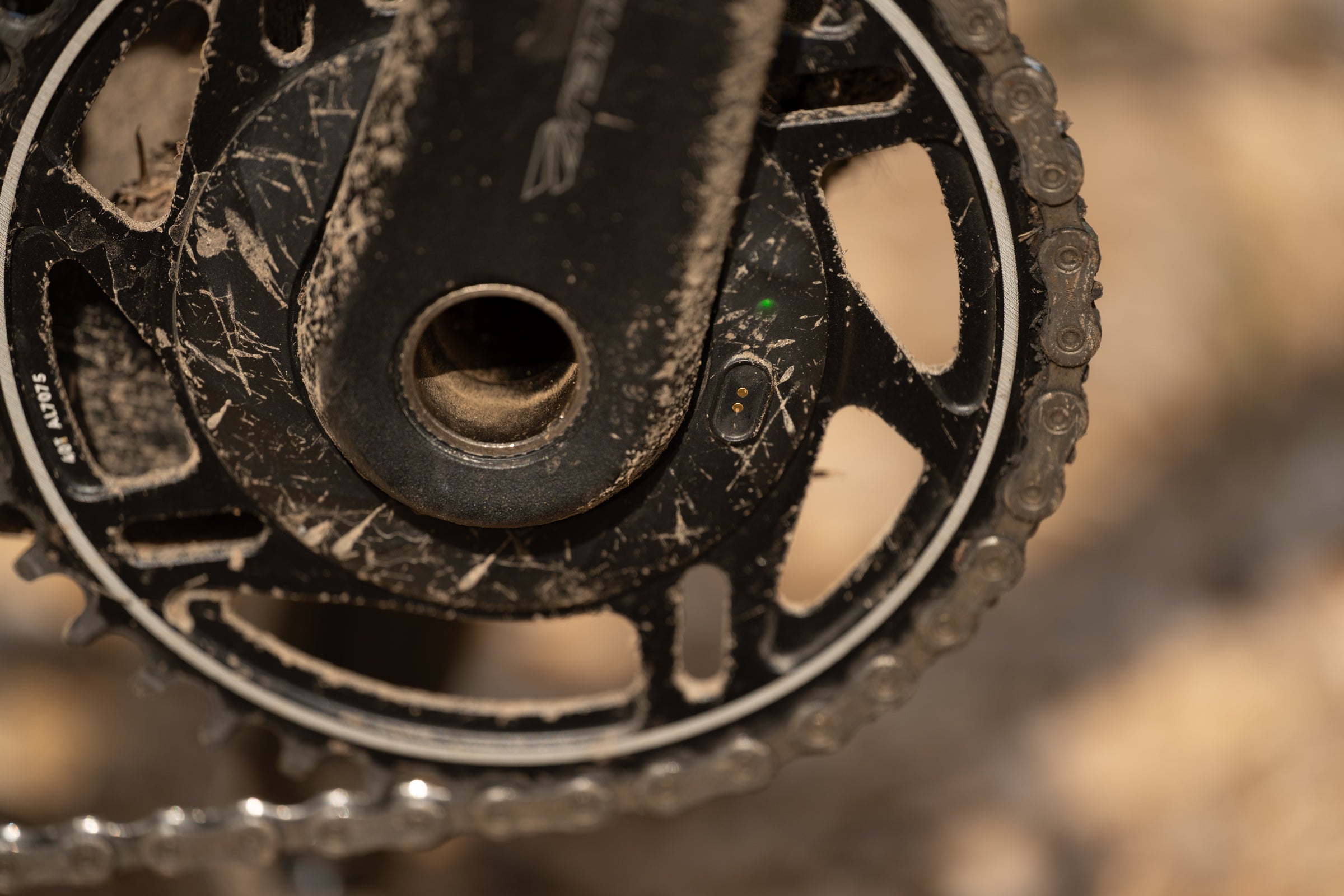
Technically, pedals should report slightly higher wattage because they capture the power before any drivetrain loss. Instead, the Branta was running 8 to 10 watts higher than the Garmins. Despite that, zooming in on the data shows the power was consistently offset upward. It lacks absolute numerical accuracy, but the curve follows every peak and valley perfectly. It works exactly as a training tool should, provided you establish your baseline on this bike and aren’t trying to match the exact wattage numbers against a different power meter on another bike.
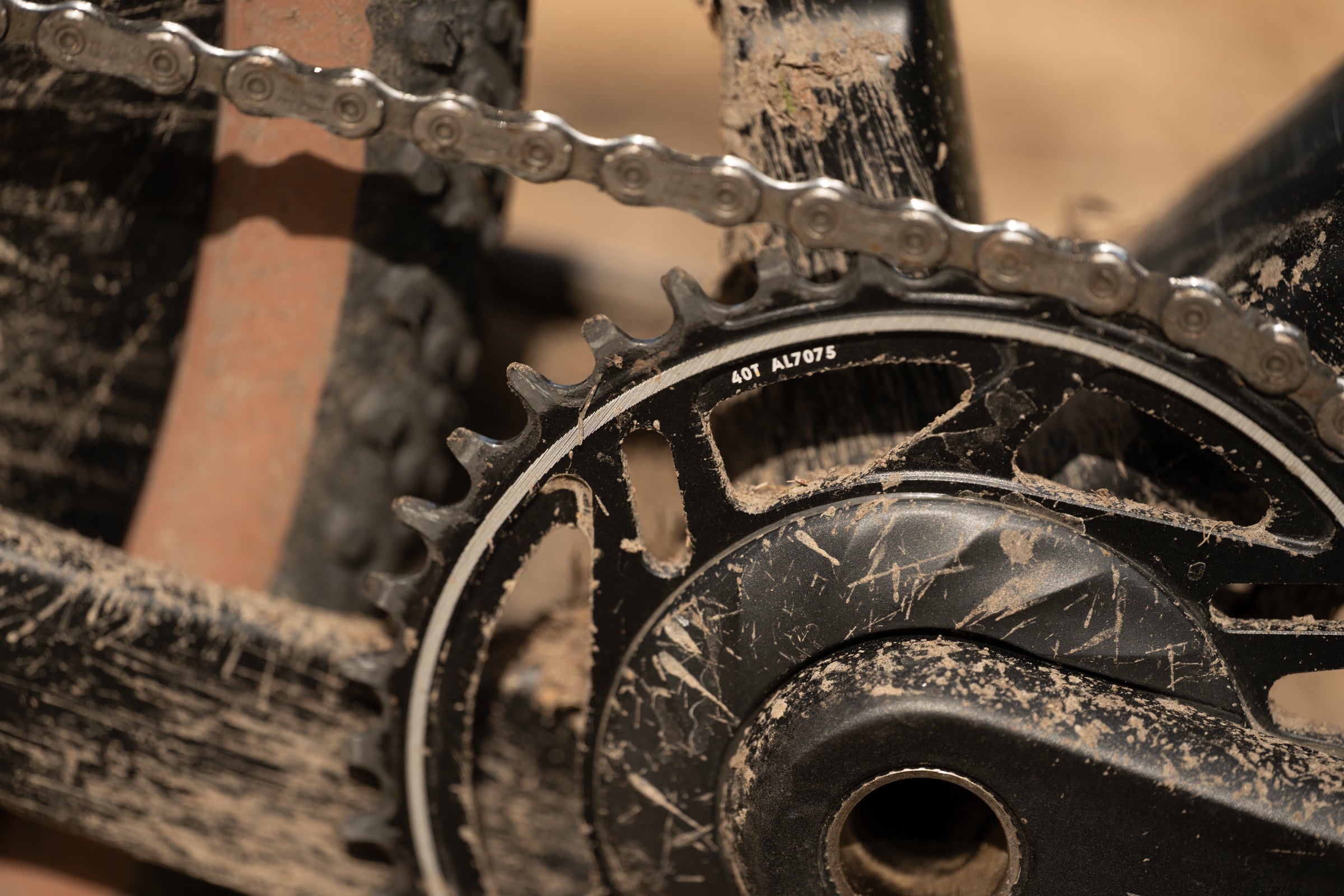
For context, a previous dual-recording test between Garmin pedals and the SRM-built Campagnolo power meter showed the two units tracking within a single watt of each other. If you want that kind of absolute precision, you’ll need to make another choice. But keep the price in mind. The Branta unit is included for free on a $3,200 complete bike. A set of Garmin pedals costs $1,300 alone, and an SRM is even more. A slight, consistent upward offset is a very fair trade-off for the value this setup provides.
Usability
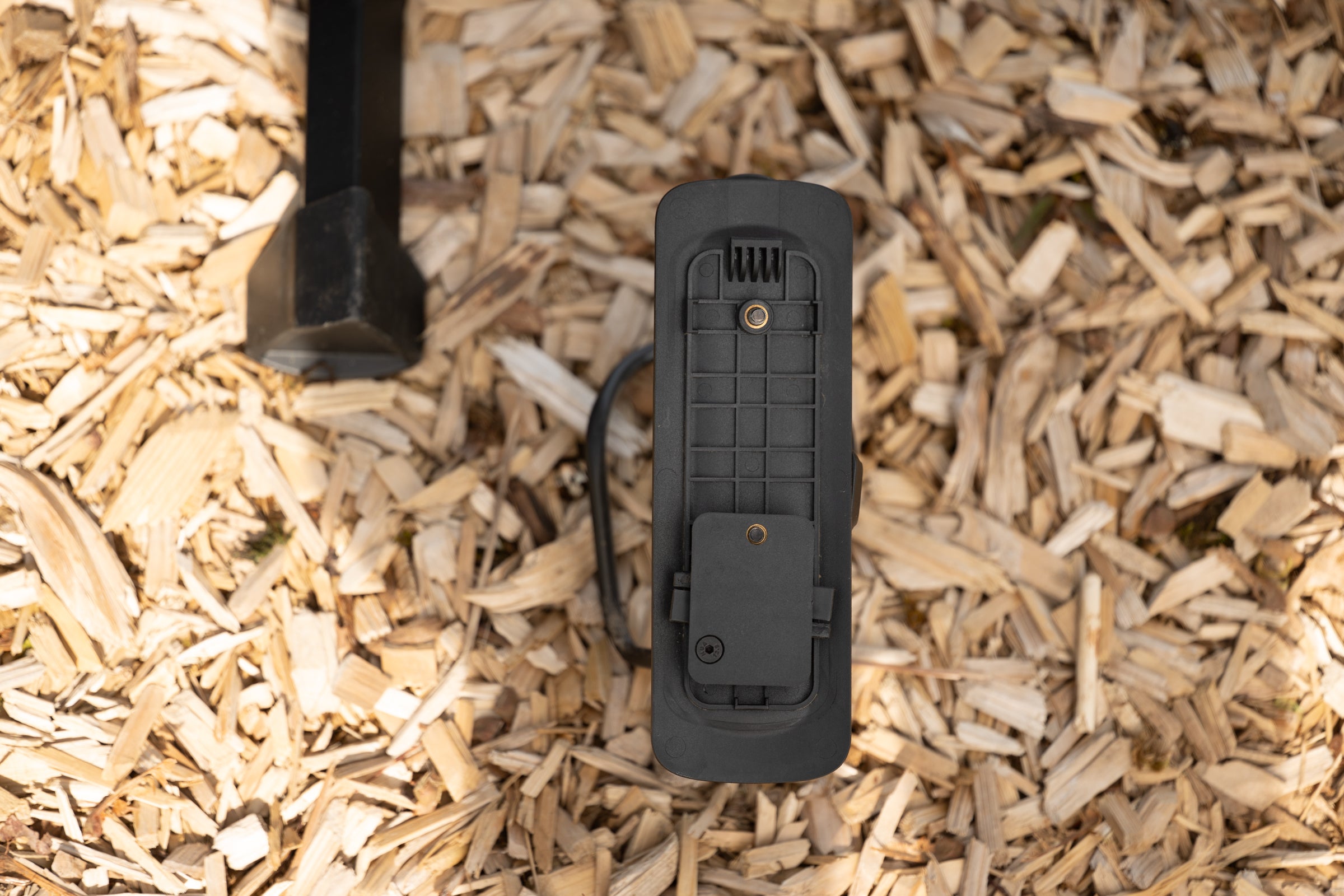
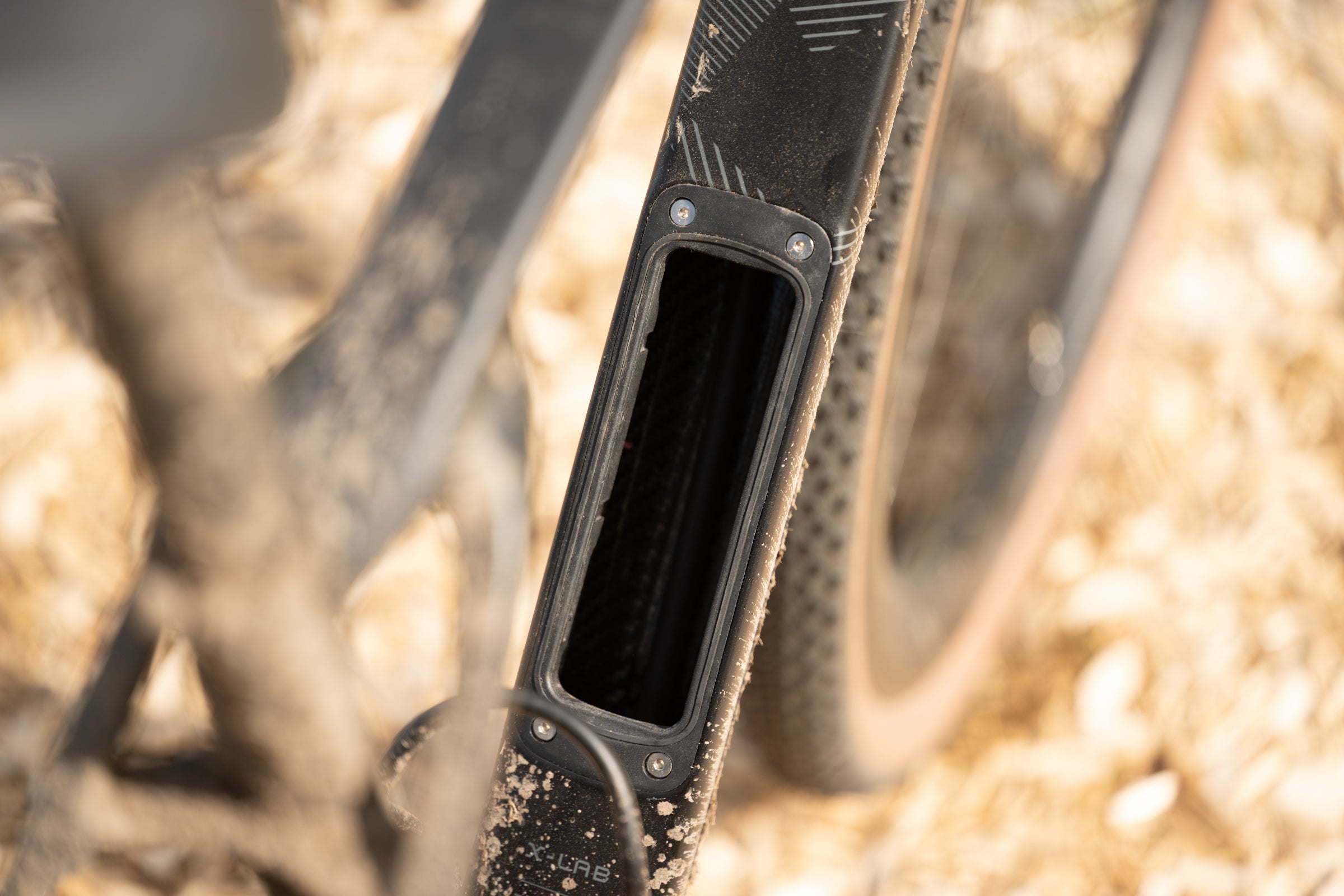
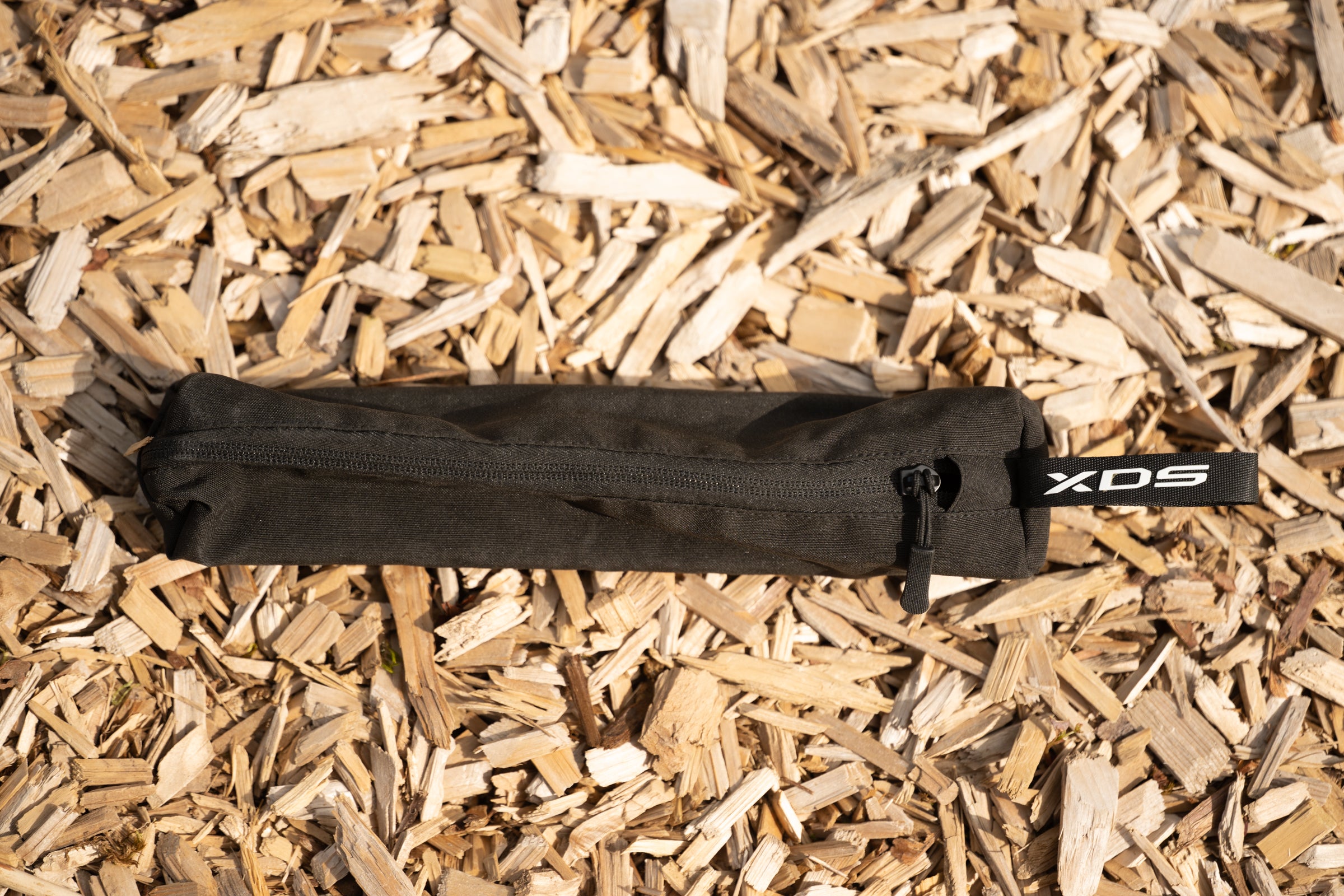
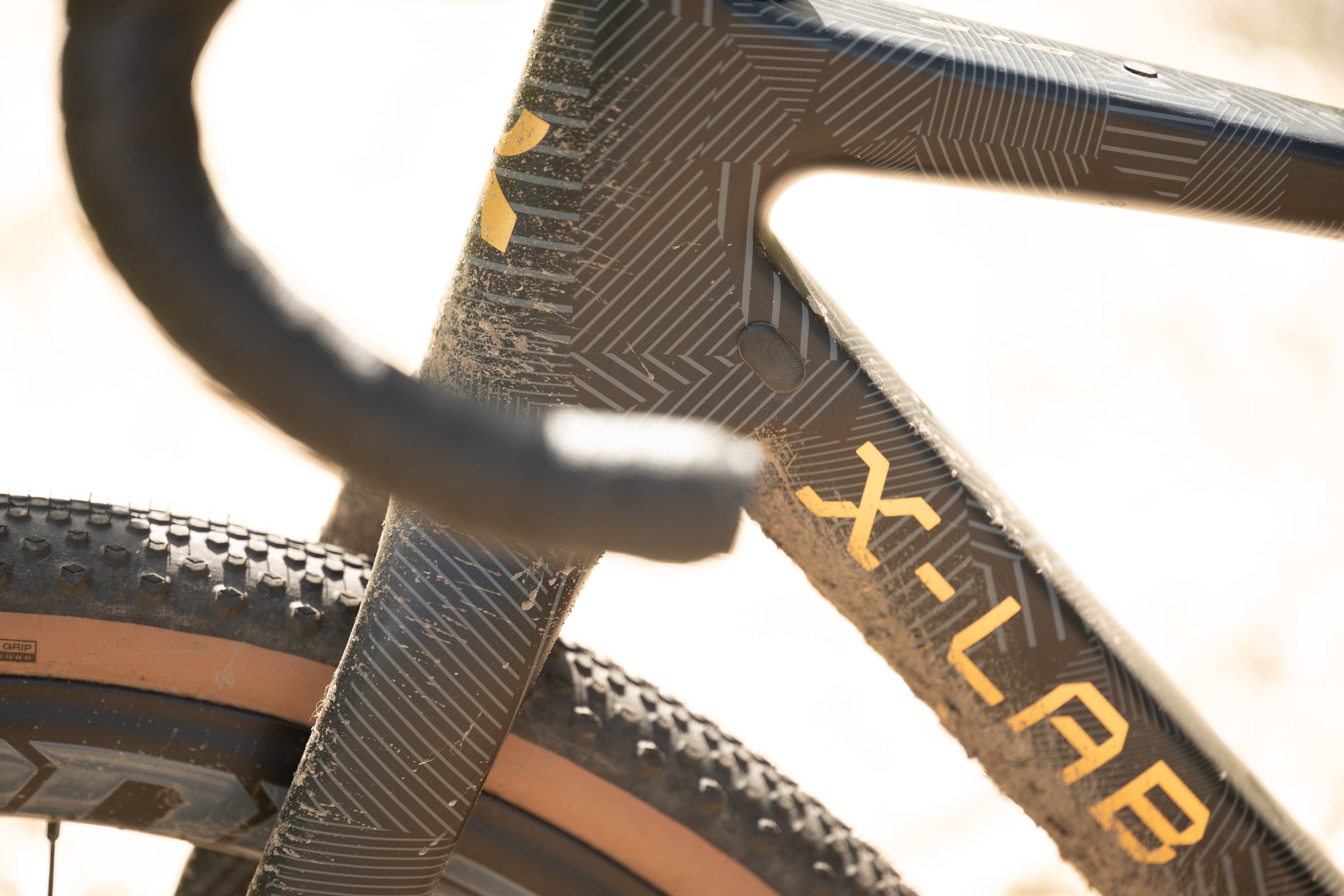
This is another bright spot for this bike. There’s in-frame storage with a quality closure and plenty of room. The opening is as wide as the downtube although this isn’t a massive downtube. I think you can get a jacket in here but it’ll take some work. This is perfectly reasonable as is the UDH, round seatpost, and T47.
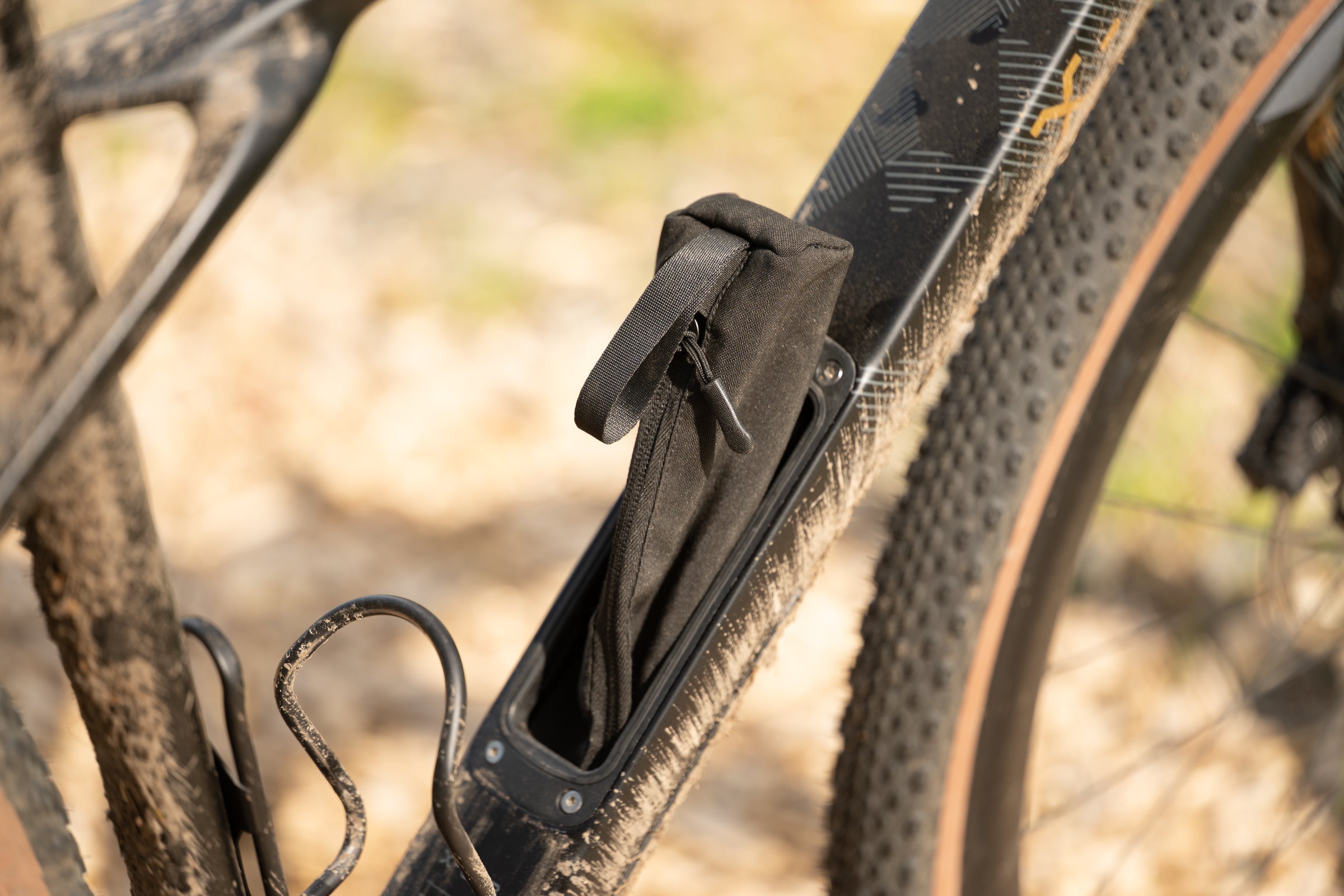
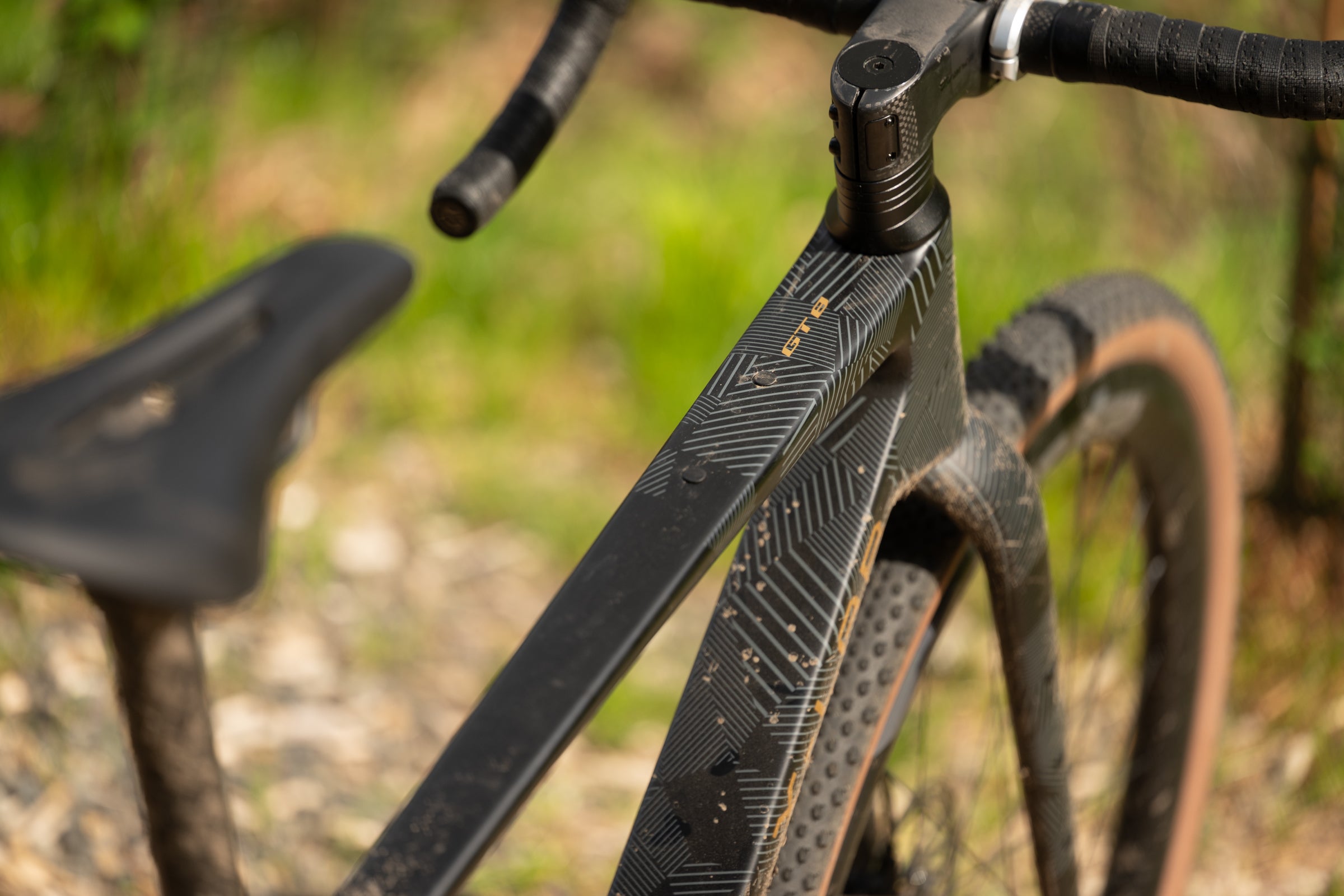
The real standout though is the cable routing. As the bike comes, it’s fully internal and through the headtube. If you want to run it that way, you are set but if you prefer external routing it’s also possible. There’s a cable port in the headtube if you prefer external routing.
Conclusion
To me, this bike feels a lot like the Pivot Vault. Pivot claims there’s special sauce in their layup and Iso Flex system, but on a ride, the two bikes feel remarkably similar. The difference is that the Vault will cost you $6,100 for a build that includes electronic shifting and carbon wheels. Yes, the Pivot build will be lighter, and it gets 13-speed SRAM instead of 12-speed Di2, but it still will not include a power meter. I like the Vault, but looking at these two side-by-side, it’s hard to justify spending the extra cash for a similar ride. That is the exact tough spot Western brands are suddenly in.
The only way forward for legacy brands is to lean into real differentiation. When I first tested the GT8, I actually put a friend on a Specialized Diverge, expecting the two bikes to feel quite similar. In the end, the Pivot is the better direct comparison, but there will certainly be cross-shopping here. If you look at the Diverge, it offers suspension and highly specific geometry choices. It might make sense to pay for that. On that same ride, we crossed paths with a rider on a Santa Cruz Stigmata. That bike is all about aggressive, mountain-bike-inspired geometry, and again, that specific trait might be worth paying for.
There is also space for the intangibles of ride feel. The Mondraker Arid is a bike that feels genuinely exciting and highly capable. It actually feels like there is special sauce in the carbon, and the geometry actively pushes you to ride harder. If you have the budget, a bike that delivers that kind of dynamic experience is absolutely worth the extra money.
But not everyone can afford that, which is why major brands have historically relied on basic “price point” builds to capture the rest of the market. The GT8 just made that concept disappear. You can now walk into a dealer and buy a bike for drastically less money that is every bit as capable as a standard all-around gravel rig. If a premium bike can’t tell a unique story or offer a tangible advantage anymore, why buy it? The XDS X-Lab GT8 doesn’t need to tell a story because its price does the heavy lifting, and the ride is good. Western brands who aren’t creating something truly special are going to struggle against this—and frankly, they should.
If you want a gravel bike that delivers top-tier specs at a price that actually makes sense, find a local dealer and grab an X-Lab.