Lightweight wheels can add a touch of verve to your bike, not just thanks to the lower weight when climbing, but also the faster acceleration.
While a set of deeper section aero wheels may look the part on an aero road bike and have the claims of watts saved to back that up, it’s easier to feel the effect that lighter weight wheels produce.
There’s now less reason to compromise though, as top spec wheels often combine low weight with deeper aero rims. That’s thanks to new tech that lowers wheel weight, which we’ve explained in our buyer’s guide further down the page. Typically, a set of lightweight wheels will weigh under 1,300g, while you might be looking at 1,500g or more for aero wheelsets. That’s not set in stone though.
Here are our picks of the best lightweight road bike wheels, including all the latest launches and new technology that we’ve covered and the best lightweight wheels that we’ve reviewed.
Our pick of the best lightweight road bike wheels
- Boyd Podium Carbon Disc SL
- Cadex 36 Disc – read our full review
- Campagnolo Bora Ultra WTO 35
- DT Swiss ARC 1100 Spline 38 CS
- Hunt 5AM Limitless Ti_UD Carbon Spoke
- Lightweight Meilenstein ART Evo
- Oquo Road Performance 45 LTD CS
- Rar Aura 40 – read our full review
- Roval Rapide CLX III – read our full review
- Scribe Ultra Elan 5
- Syncros Capital SL 40 – read our full review
- Zipp 202 NSW – read our first ride review
Why trust Cyclist’s advice?
At Cyclist, we aim to bring you the best tech for road and gravel cycling, both in Cyclist magazine and on our site, where we cover all the cycling news, including new tech and pro racing news and analysis.
Our highly experienced team has reviewed a range of low weight and aero wheelsets, so we know what to look for in a climbing wheelset. We’re not paid for our recommendations or product placement, so you can rely on us for unbiased advice.
The best lightweight road bike wheels
Boyd Podium Carbon Disc SL
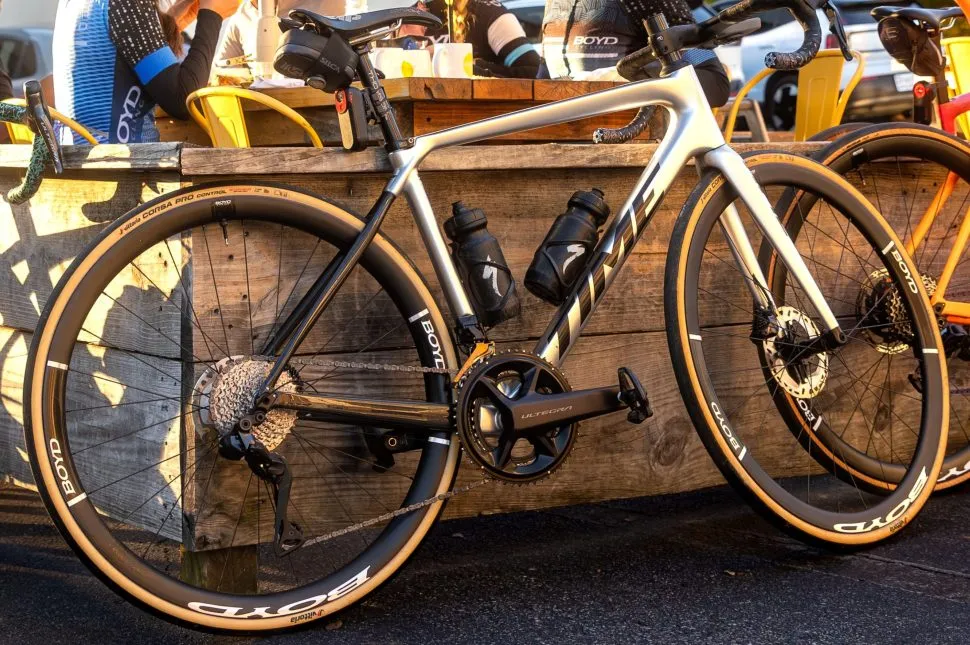
£1,860 | Buy here
- Weight: 1,130g (claimed)
- Depth: 36mm
- Rim width: Int 24mm, Ext 29mm
US-based Boyd Cycling has been overhauling its wheelset range and has introduced the 1,130g (claimed) Podium, with a wide 24mm internal channel width optimised for 28mm to 30mm tyres, but compatible with wider tyres for all-road use.
Boyd claims much of the weight saving comes from its high pressure moulding, which achieves a high carbon to resin ratio and a 310g rim weight. The hubs too are lightweight, but Boyd uses conventional steel spokes and steel bearings for serviceability.
Cadex 36 Disc
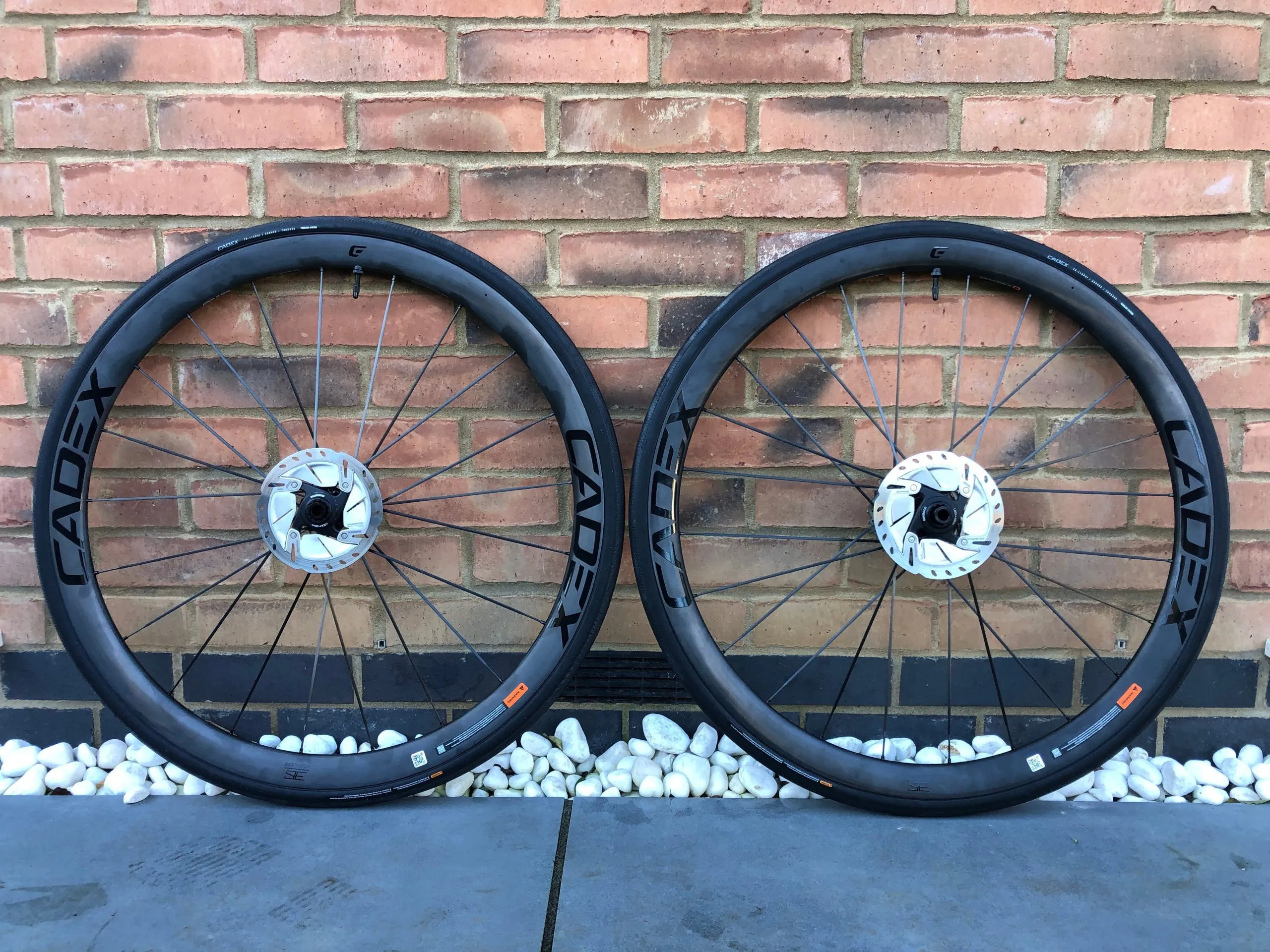
£2,500 | Buy here
- Weight: 1,302g (claimed)
- Depth: 36mm
- Rim width: Int 22.4mm, Ext 26mm
The Cadex 36’s mid-depth helps to keep weight low while still providing aero benefits, while the hookless rim is also claimed to help with aerodynamics. In addition, you get Cadex’s ceramic bearings and carbon spokes with Giant’s Dynamic Balanced Lacing tech and what Cadex claims is class-leading lateral stiffness.
There’s limited tyre choice, but Cadex claims that you can run higher pressures than is typical for hookless/tubeless combinations. There’s good crosswind stability and the wheels handled well for climbs, descents and fast-paced flat. Although expensive, they’re more affordable than many low weight wheelsets.
Campagnolo Bora Ultra WTO 35

£3,290 | Buy here
- Weight: 1,285g (claimed)
- Depth: 35mm
- Rim width: Int 23mm; Ext 26mm
The latest generation Bora and Bora Ultra WTO wheelsets lower weight and increase rim width, with the Ultras offering the lowest weight with carbon hub shells, ceramic bearings and internal spoke nipples. Campagnolo claims a decrease in drag of 13% from its previous Bora.
Campagnolo retains the Bora’s distinctive clustered spoke pattern, which is claimed to even out spoke tension and increase wheel stiffness. There’s Campagnolo’s 2-Way Fit system, which offers tubed or tubeless tyre compatibility and tape-free tubeless setup, also helping to keep weight off.
DT Swiss ARC 1100 Spline 38 CS
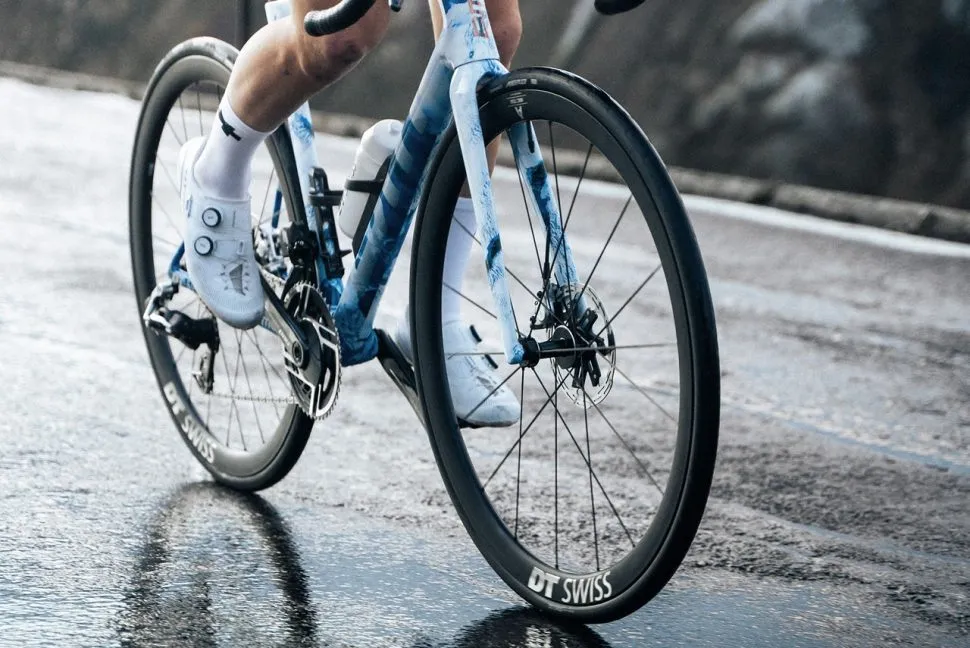
£2,899 | Buy here
- Weight: 1,174g (claimed)
- Depth: 38mm
- Rim width: Int 20mm; Ext 26mm
Swapping from steel to carbon spokes has allowed DT Swiss to shave 125g from the weight of its flagship road wheelset, due to the lower individual spoke weight and a lower spoke count. The price uplift from the standard steel spoked wheel is relatively modest.
You get DT Swiss’s premium 180 hub with its lightest ratchet freehub and DT supplies the wheels with a Continental Aero 111/GP 5000 S TR tyre combo. The 20mm internal width is a little less progressive than some alternatives from other brands though.
Hunt 5AM Limitless Ti_UD Carbon Spoke
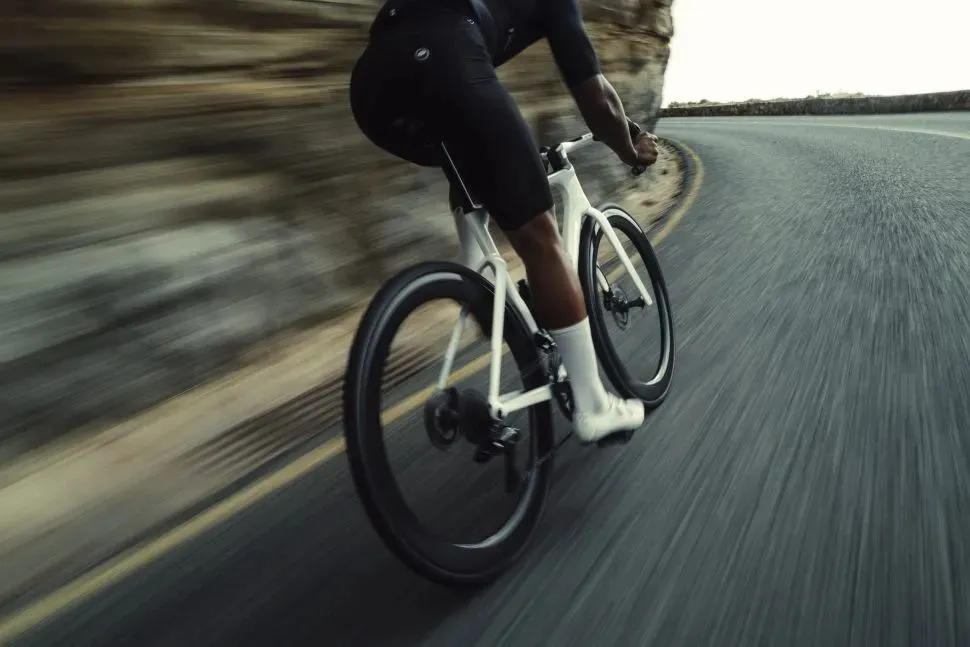
£1,999 | Buy here
- Weight: 1,212g (claimed)
- Depth: 58mm F, 55mm R
- Rim width: Int 23mm; Ext 34.5mm F, 30mm R
Not only is the latest Hunt 5AM Limitless Ti_UD wheelset low in weight, Hunt claims it’s the most aero wheelset it’s ever tested. It follows the same deeper front/shallower rear design as the Roval Rapide CLX III, below, with a wider profile to the front to increase stability. Hunt uses its Limitless rim tech in the front wheel to help reduce rim weight.
As with many newer wheelsets, Hunt has opted for carbon spokes to reduce weight, with each spoke weighing 1.7g and a lower spoke count permitted by the spokes’ extra strength over steel. There are low weight, fast engaging hubs too, with the option of CeramicSpeed bearings or the standard steel.
Lightweight Meilenstein ART Evo
£5,999 | Buy here
- Weight: 1,190g (claimed)
- Depth: 45mm
- Rim width: Int 22.9mm, Ext 28.6mm
Lightweight wheels used to be the go-to low weight wheelset, to the extent that Team Sky abandoned its sponsor-correct Dura-Ace wheels in favour of Lightweight for mountain stages. It fell behind the wider-is-better curve though, something that the Meilenstein ART Evo looks to address, with a 22.9mm internal width.
The wheels include 20 carbon spokes that stretch from rim to rim and cross Lightweight’s Penta-Fly hubs with DT Swiss 180 internals. The 1,190g weight is competitive, if not the match of Lightweight’s sub-kilo wheels of old. They’re expensive – even more so with CeramicSpeed bearings in place of the standard steel, which raises the price to £6,499.
Oquo Road Performance 45 LTD CS
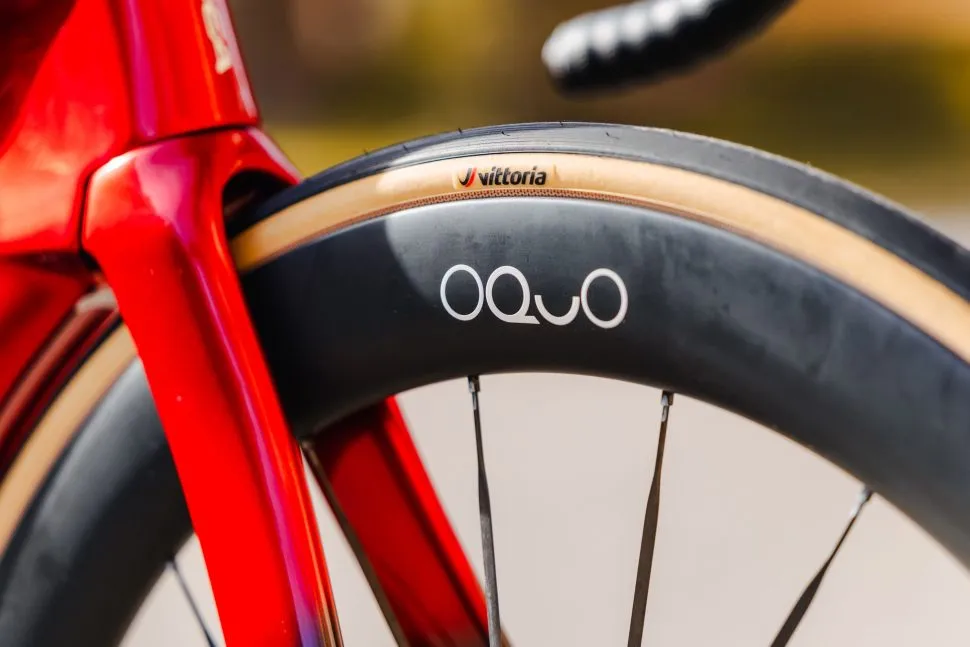
£2,599 | Buy here
- Weight: 1,223g (claimed)
- Depth: 45mm
- Rim width: Int 21mm
Oquo has substituted carbon spokes for steel in four wheels in its premium Race Aero and Performance ranges, lowering claimed weight to as little as 1,223g for its 45mm depth, but also reducing weight in 50mm, 57mm and 80mm wheel depths. It says it’s not just swapped in carbon spokes though; it’s also redesigned the hub and lowered the spoke count from 24 to 20 for each wheel. Because the spokes are stiffer, it has changed the carbon layup in the rim to add back compliance.
The 45mm deep wheels have a 21mm internal width, also helping to keep weight off, while the deeper wheels expand to 23mm internal. All turn on Oquo’s low weight Q10 hubs, made in house and ceramic coated for durability. There’s a wide choice of graphics and graphic colours offered free of extra charges.
Rar Aura 40
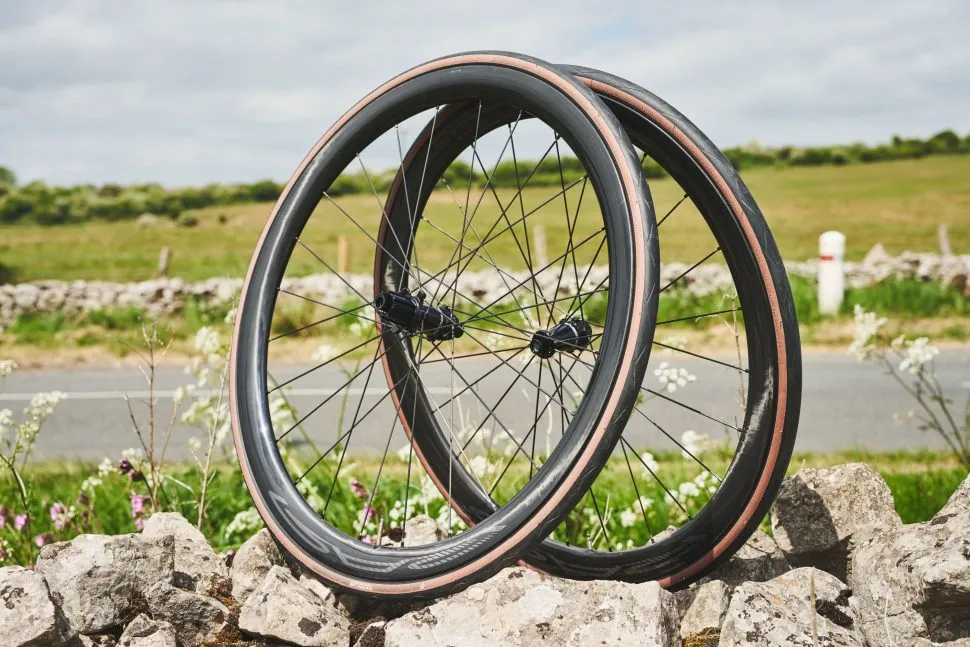
€4,599 | Buy here
- Weight: 1,060g
- Depth: 40mm
- Rim width: Int 21mm, Ext 28mm
Another wheelset with carbon spokes to lower the weight, the Rar Aura 40s also boast a 247g a pair hubset and high modulus carbon rims with a claimed 335g weight each. The net result is a wheelset that weighs just over a kilogram, although the rim walls do feel very thin and can be compressed with the fingers.
We compared climbing to being in a gear lower than engaged, resulting in a PB time and 12 seconds shaved off the same bike with its 500g heavier stock wheelset. There’s also a benefit in handling agility, while the wheel balance is spot-on with valves installed.
Roval Rapide CLX III
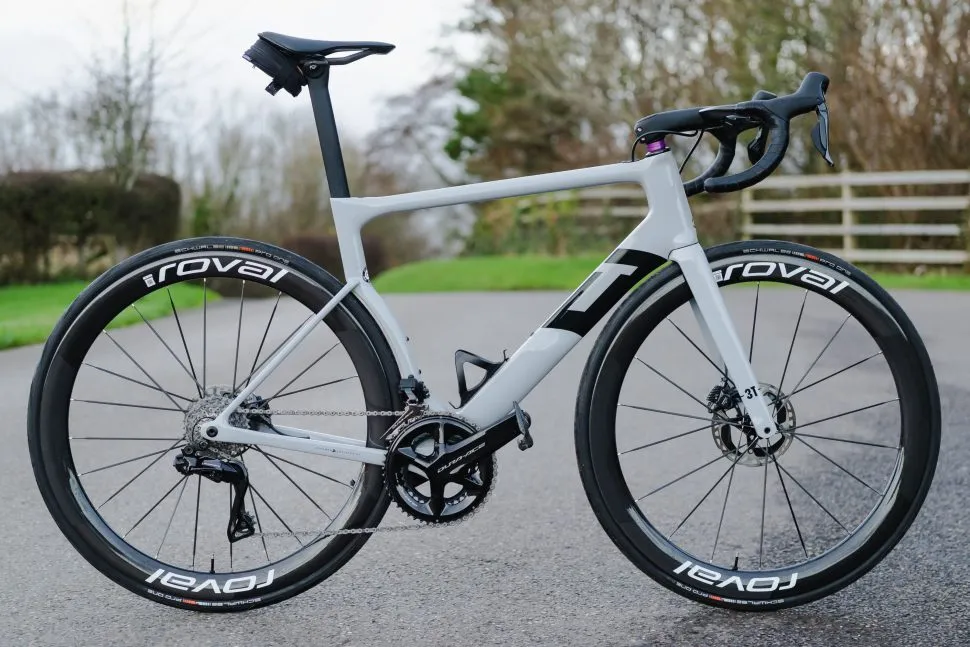
£2,998 | Buy here
- Weight: 1,305g
- Depth: 51 front, 48 rear
- Rim width: Int 21mm, Ext 35mm F, 31,3mm R
The Roval Rapide CLX III wheelset is unusual in being both aero deep and low in weight. There are a couple of factors in this: first, the 51mm front wheel is deeper than the 48mm rear. Roval reckons that the majority of the aero benefits occur at the front wheel, so that’s the one to make deeper.
Second, Roval uses carbon spokes with titanium spoke ends and nipples to keep weight down. Carbon composite spokes are becoming the next go-to in wheel design as they are not just lighter than steel, they’re stronger so you need fewer of them. Together, that’s allowed Roval to shed 215g from the CLX II.
Needless to say, they accelerate quickly and they are stiff as well, although we reckon the 21mm internal width is a little behind the curve and lends some harshness to the ride.
Scribe Ultra Elan 5
£1,999 | Buy here
- Weight: 1,149g (claimed)
- Depth: 50mm
- Rim width: Int 24mm, Ext 32mm
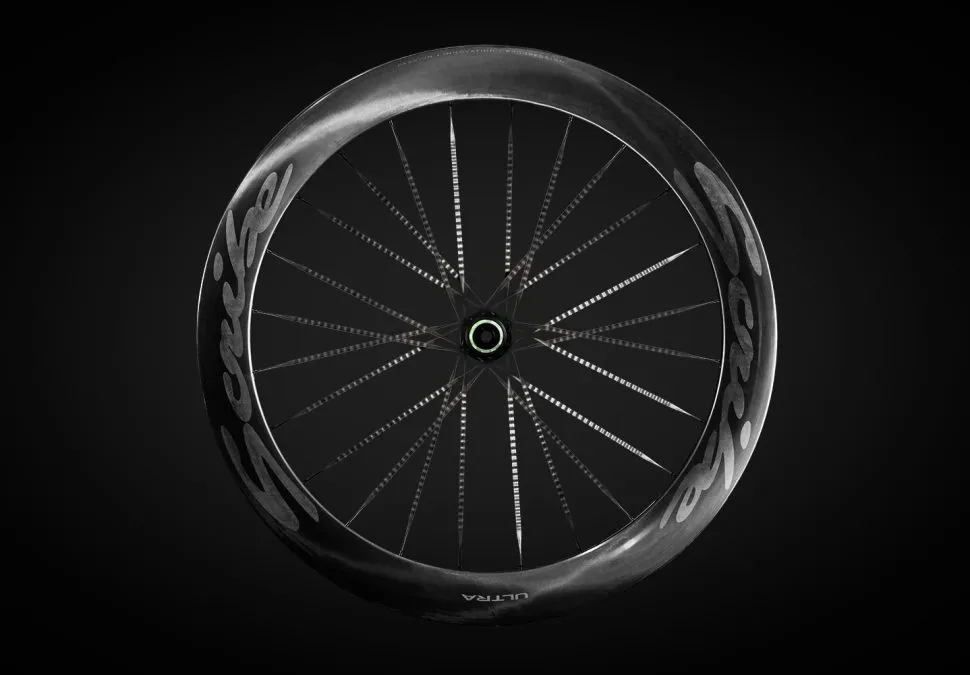
Scribe’s lightest wheels use spokes that aren’t just carbon, they’re also wavy, which it says makes them around 0.5 watts faster than straight 5mm bladed spokes. It reckons they’re among the fastest 50mm depth wheels out there.
The rims offer modern dimensions at 24mm internal/32mm external width. As well as the 50mm depth, there’s a 65mm rim option with a 1,289g claimed weight that’s also very competitive. Both wheelsets include Scribe’s new Ultra hubs with ceramic bearings and a 36-tooth ratchet.
Syncros Capital SL 40
£4,000 | Buy here
- Weight: 1,170g (claimed)
- Depth: 40mm
- Rim width: Int 25mm
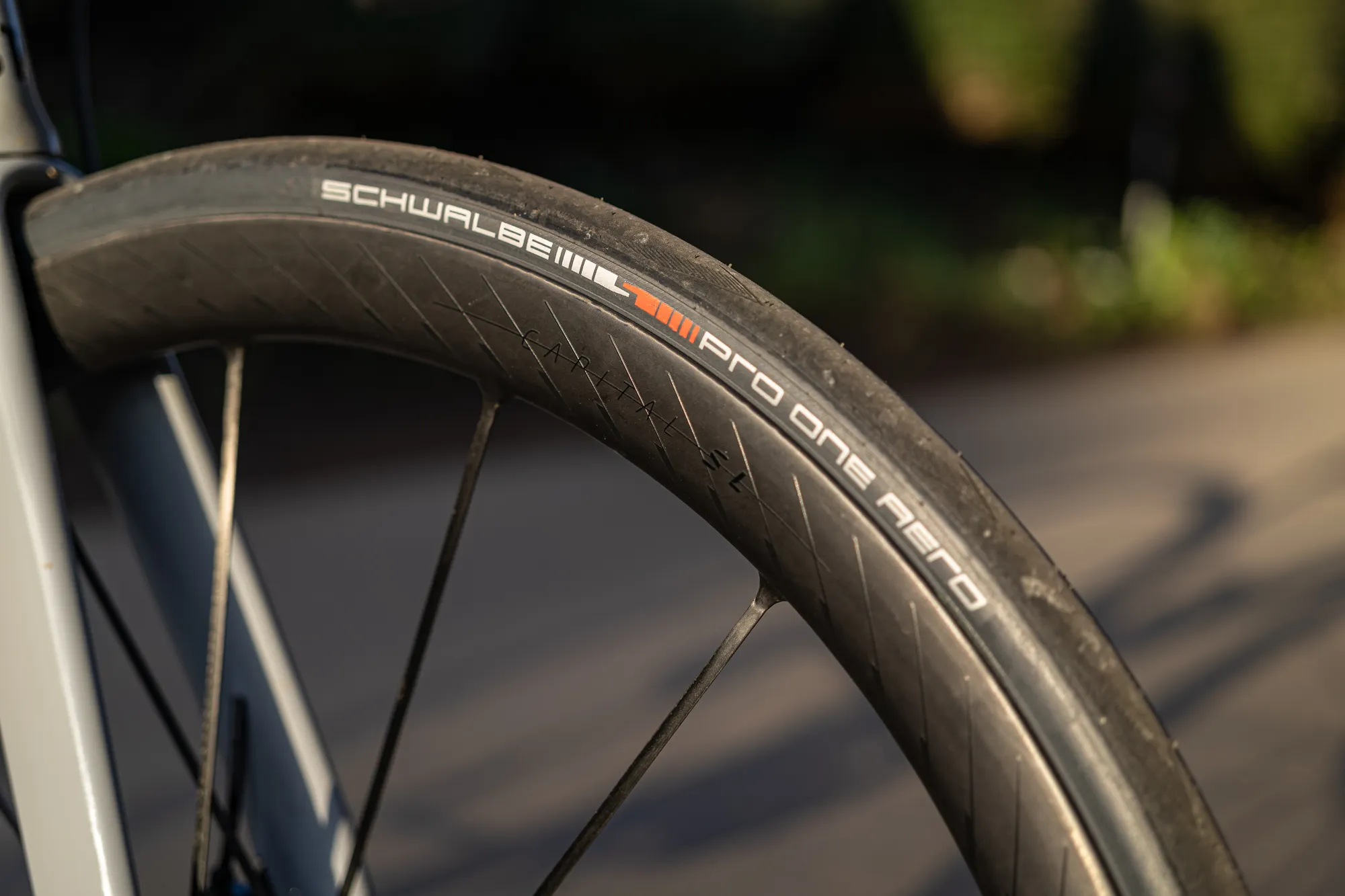
Syncros, the component brand of Scott, throws all the available tech at the top spec of its Capital wheelset range. The rim, hub shell and spokes are carbon and moulded in one piece and the 25mm internal width hookless rim is the match for modern wide tyres. Syncros has worked with Schwalbe to co-develop the Pro One Aero 28mm front/rear specific tyres that are paired with the wheels.
Although Syncros claims lower drag than competitors, we reckon it’s the stiffness and low weight that ensure rapid acceleration and sharper handling. With plenty of width to the rim/tyre combination, the ride is smooth too, although the wheels did seem to catch crosswinds in testing, which we put down to the wide spokes paired with the low weight.
Zipp 202 NSW
£3,395 | Buy here
- Weight: 1,090g (claimed)
- Depth: 35mm
- Rim width: Int 23mm, Ext 27.5mm
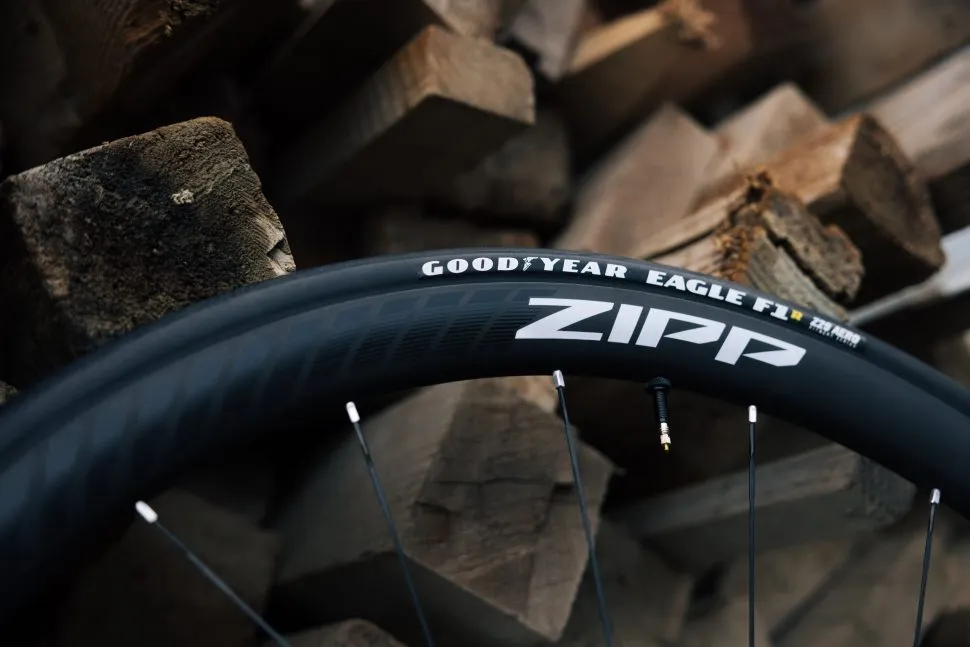
Even without carbon spokes, Zipp says its 202 NSW is the lightest wheelset it’s ever made. It reports that it’s still assessing the durability of carbon spokes and so has stuck to 20 steel spokes per wheel, even if each weighs twice as much as carbon. The 35mm depth hookless rim is made from a mix of intermediate and high modulus carbon but, with the shallow depth, Zipp found that a uniform depth was fine for sidewind stability, so there was no need for the wavy profiles of deeper NSW wheelsets.
It’s not just the rim that’s slimmed down, with Zipp using lighter ceramic bearings in a smaller hubshell to reduce its claimed weight for the ZR1 SL hubset to 306g. 66 points of engagement ensure rapid take-up.
What should I look for when buying lightweight road bike wheels?
Low overall weight
There’s no definition of what ‘lightweight’ constitutes for a wheelset and there’s a continuum of wheelset weights. We’ve set an arbitrary figure of 1,300g or so, but brands continue to lower the weights of their premium lightweight wheelsets, so there are options available that head down towards a kilogram.
Rim weight is a major contributor to how fast a wheel feels, as it’s mass that’s furthest from the hub and so generates the most inertia which affects acceleration.
Some wheel weights are quoted untaped and without valves, while others include these. Don’t forget that you’ll be adding brake rotors, tyres, sealant or inner tubes and a cassette, which also add weight.
Aero rims
Lightweight wheels sometimes have shallower rims than more aero designs, substituting a rim that’s less than 40mm in depth for a deeper rim that might be more aero.
It’s not a given that a lower profile rim will be less aero than a deeper one though and the difference may be insignificant if there is one. A shallower rim may be easier to handle too, so you may feel more confident to ride faster, particularly if it’s breezy.
Brands are developing lightweight wheelsets that have rims of comparable depth to many aero wheelsets too, so you may be able to choose a lightweight wheel that’s as aero as a heavier aero wheelset.
Rigidity
There’s no point in spending on a lightweight wheelset if it sacrifices rigidity in the quest for low weight. Confirm that there’s the typical spoke count for a road bike wheel and that the wheelset is robustly built.
Lightweight spokes
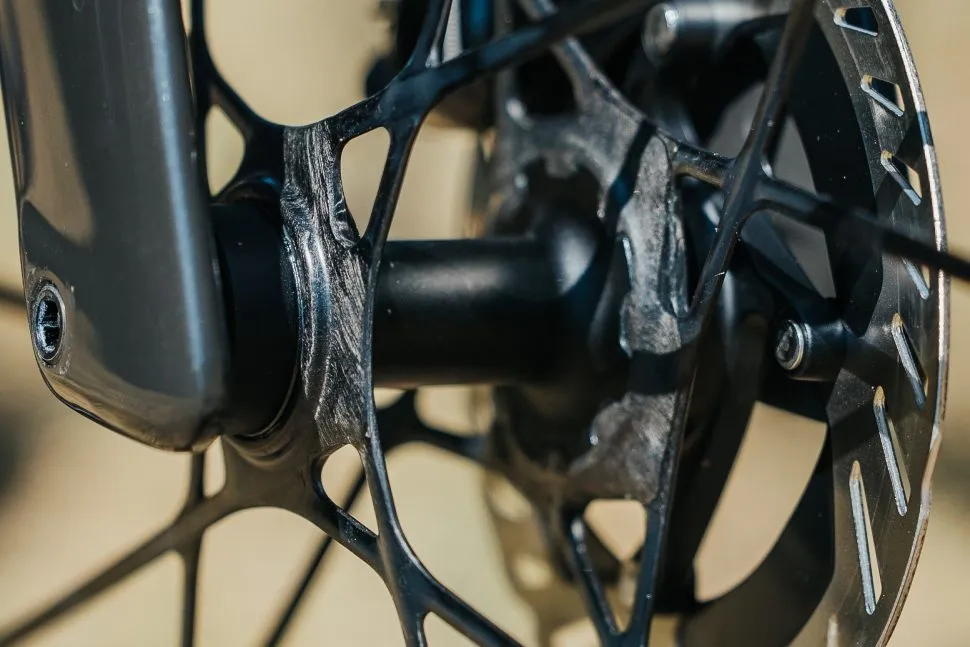
A major contributor to lower wheel weights in modern wheelsets is the substitution of carbon spokes in place of steel spokes. Carbon spokes can each weigh close to 2g less than steel spokes, so in a typical 20 to 24 spoke wheel, this adds up.
Carbon spokes are also usually stiffer than steel spokes, so wheels can be built that are as strong with fewer spokes, often four less per wheel, adding to the weight saving. They often have wider, flatter blades than steel spokes and can be more aero. A wider spoke may increase the wheel’s overall cross sectional area though, which may increase twitchiness in crosswinds.
Stiffer spokes could also result in a harsher ride, so the rim may need to be re-engineered to compensate. Many carbon spoked wheels have separate nipples, often titanium, so they can be trued or a spoke replaced. Others such as those from Lightweight and the Syncros Capital SL are monocoque, so any spoke damage may result in the wheel being written off.
Quality hubs
Lightweight wheels are often expensive, so expect to see quality hubs feature. Although alloy hubshells are typical, some may include carbon fibre parts. Hubs are typically configured for straight-pull spokes, which can lower weight and improve aerodynamics. Carbon spokes often have T-heads to stop spoke rotation, which along with the lower spoke count require hubs to be re-engineered from standard hubs for steel spokes.
Ceramic bearings often feature, either standard or as an extra-cost option. Although the hubshell is usually brand-specific, hub internals may come from another brand, often DT Swiss.
Robust freehub
The wheel’s freehub holds the cassette in place and it’s one area where there’s weight to be saved by using lightweight alloy. There’s a lot of force being transmitted through the freehub though, so an all-alloy freehub can be prone to gouging by the splines on the cassette. This can make it difficult to remove the cassette and reduce the freehub’s lifespan. The freehub body is usually easily replaceable, but it’s an additional expense and hassle.
It’s worth sacrificing low weight for extra durability, with brands often including steel anti-gouge plates in their freehub bodies to lower the risk of damage.